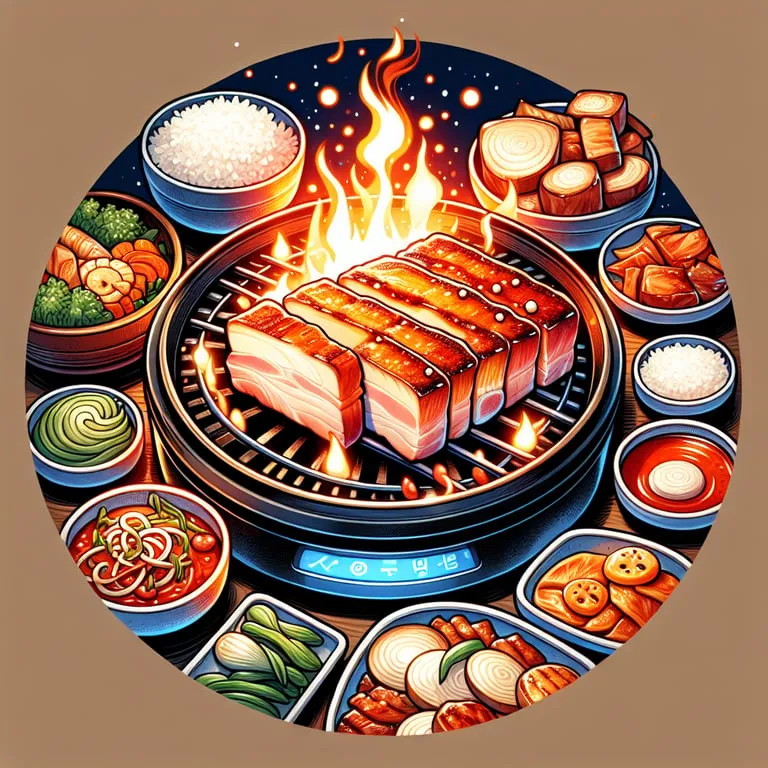
Korean BBQ Grill Meat Guide
Hey everyone! Let’s talk about something truly special, something that’s more than just a meal—it’s an experience. I’m talking about Korean BBQ! Having spent a couple of decades each in Canada and the US after growing up in Korea, I’ve had a front-row seat watching K-BBQ explode in popularity. I remember hunting for tiny, authentic spots in Toronto’s Koreatown back in the day, and now in 2025, it’s this massive culinary movement. It’s loud, it’s smoky, it’s interactive, and oh my goodness, it’s delicious.
Korean BBQ, or Gogi-Gui (고기구이) as we call it, is all about gathering your favorite people around a grill set right into your table. You hear that sizzle, smell that incredible aroma of meat caramelizing, and share food and stories. It’s the heart of Korean communal culture, perfect for everything from a family dinner to a night out with friends. This guide is my love letter to K-BBQ, and I want to share everything I know so you can enjoy it to the fullest, whether you’re a seasoned pro or a curious first-timer. Let’s get this fire started!
Getting Started: The K-BBQ Setup
Before we even get to the meat, let’s talk about the hardware. Getting the setup right is key to an authentic experience. It’s not complicated, but a few essential items make all the difference between a good K-BBQ night and a great one.
The Heart of the Matter: The Grill
The grill is the centerpiece of the whole operation, and you’ve got options. At most restaurants, you’ll find tables with built-in gas or charcoal grills. I personally love charcoal because it imparts that incredible smoky flavor, what Koreans call bulmat (불맛), or “fire taste.” It’s a game-changer! However, gas grills are way more convenient and offer better temperature control, which is nothing to scoff at.
For a home setup, portable tabletop grills are fantastic.
* Gas/Butane Grills: These are the most popular for home use. They’re portable, easy to clean, and heat up fast. Brands like Iwatani are super reliable.
* Electric Grills: A great indoor, smoke-conscious option. Many models come with a non-stick surface and a drip pan, which is a lifesaver for cleanup. They don’t get quite as hot as gas or charcoal, so achieving that perfect sear can be a little tougher, but they’re incredibly user-friendly.
* Charcoal Grills: If you have outdoor space, this is the way to go for the most authentic flavor. It requires more setup and cleanup, but the results are worth it for special occasions.
A good non-stick pan or grill plate is also crucial. The best ones have channels to let the fat drain away, which is especially important for fatty cuts like pork belly.
The Essential Toolkit
You won’t find forks and knives here! The standard K-BBQ toolkit is all about efficiency and function.
1. Tongs (집게, Jipgae): Long-handled tongs are your best friend. You use them for everything—placing meat on the grill, flipping it, and moving it to the “done” zone. One pro tip is to have two pairs: one for raw meat and one for cooked meat to avoid cross-contamination.
2. Scissors (가위, Gawi): This might seem odd if you’re new to K-BBQ, but kitchen shears are indispensable. Once a larger piece of meat like pork belly or a strip of galbi is cooked, you use the scissors to snip it into perfect, bite-sized pieces right on the grill. It’s so much more practical than moving it to a cutting board.
3. Small Bowls and Plates: You’ll need an army of small dishes! One for your dipping sauces, one for your personal portion of salad, and a plate for your cooked meat. It’s all part of the organized chaos.
The Stars of the Show: A Guide to K-BBQ Meats
Alright, let’s get to the main event! The variety of meats is what makes Korean BBQ so exciting. Ordering can be overwhelming, so here’s a breakdown of the must-try cuts you’ll find on most menus.
Beef (소고기, Sogogi): The Premium Choice
Beef is often seen as a luxurious treat in Korean cuisine, and these cuts are absolutely divine.
- Bulgogi (불고기): The ambassador of Korean food! The name literally means “fire meat.” It’s typically made from thinly sliced sirloin or ribeye marinated in a sweet and savory sauce of soy sauce, sugar (or pear puree!), garlic, and sesame oil. Because it’s so thin and marinated, it cooks in a flash. It’s a definite crowd-pleaser and a great starting point for beginners.
- Galbi (갈비): These are marinated beef short ribs, and they are pure indulgence. You’ll see two main styles. Traditional Galbi is a thick chunk of bone-in meat scored in a diamond pattern to help it cook evenly and absorb the marinade. Then there’s “LA Galbi,” a style that became popular among Korean immigrants in Los Angeles. It’s a thinner cut, flanken-style, where the ribs are cut across the bone. Both are incredible, with a rich, savory flavor that’s just heavenly.
- Chadolbagi (차돌박이): This is my personal go-to when I want something quick and satisfying. It’s paper-thin slices of beef brisket. There’s no marinade here; the flavor is all about the pure, beefy taste. It hits the hot grill and cooks in literally 5-10 seconds. You just dip it in a simple sauce of sesame oil, salt, and pepper. It’s so simple but so good.
- Deungsim & Ansim (등심 & 안심): These are your classic steak cuts—sirloin and tenderloin, respectively. Usually served unmarinated as thick, beautiful steaks, they let the quality of the beef shine. You grill it, cut it into pieces, and enjoy it with just a pinch of salt. It’s pure quality.
Pork (돼지고기, Dwaejigogi): The People’s Champion
Pork is the everyday hero of Korean BBQ. It’s affordable, flavorful, and incredibly popular in Korea.
- Samgyeopsal (삼겹살): If there is one cut that defines modern K-BBQ, this is it. Samgyeopsal means “three-layer flesh,” referring to the beautiful layers of fat and meat in pork belly. It’s usually served as thick, unseasoned slabs. You grill them until they’re golden brown and crispy, then snip them into pieces. The rendered fat is liquid gold! Many people grill kimchi and garlic slices in it, which is an absolute must-try. You wrap the crispy pork in lettuce with some sauce, and it’s just a perfect bite.
- Moksal (목살): This is pork neck or shoulder, a great alternative if you find pork belly a bit too rich. It’s a leaner cut but still incredibly juicy and flavorful with a satisfyingly chewy texture. It takes a little longer to cook than Samgyeopsal but is well worth the wait.
- Hangjeongsal (항정살): Known as pork jowl, this is a “special” cut that’s highly prized for its unique texture. It’s beautifully marbled, almost like beef, and has a firm, crunchy bite to it that’s unlike any other pork cut. It’s so juicy and delicious! If you see it on the menu, you have to order it. 🙂
More Than Meat: The Essential Supporting Cast
Korean BBQ is never just about the meat. The experience is completed by the universe of side dishes (banchan), sauces (ssamjang), and wraps (ssam) that accompany the main event.
Banchan (반찬): A Symphony of Side Dishes
The moment you sit down at a K-BBQ restaurant, your table will be flooded with a variety of small side dishes. These are banchan, and they are refillable! They’re meant to cleanse your palate, add texture, and complement the rich, fatty meats.
- Kimchi (김치): The undisputed king of banchan. This spicy, fermented napa cabbage is a staple of every Korean meal. It’s tangy, crunchy, and its acidity cuts right through the richness of the grilled meat.
- Pajeori (파절이): A simple but essential salad made of thinly sliced scallions dressed in a light, tangy, and slightly spicy sauce. It adds a fresh, oniony bite that pairs perfectly with pork.
- Gyeranjjim (계란찜): A fluffy, savory steamed egg custard often cooked in a stone pot. It’s soft and comforting, a wonderful contrast to the grilled items.
- Pickled Radish & Onions: These provide a sweet and sour crunch that acts as a fantastic palate cleanser between bites of different meats.
The Art of the Ssam (쌈): The Perfect Bite
This is how you bring everything together. A ssam is a wrap, and building the perfect one is a delicious art form. Here’s my personal method:
- The Base: Take a piece of red leaf lettuce in your hand. Sometimes, they also provide perilla leaves (kkaennip, 깻잎), which have a unique, almost minty/anise-like flavor. I love adding one for extra fragrance.
- The Star: Place a piece of perfectly grilled meat on the lettuce.
- The Sauce: Add a small dab of ssamjang (쌈장). This is a thick, savory paste made from Korean soybean paste (doenjang) and chili paste (gochujang). It’s the essential K-BBQ condiment.
- The Extras: This is where you personalize it! Add a piece of grilled garlic, some grilled kimchi, or a bit of that scallion salad.
- The Finish: Wrap it all up into a neat, one-bite package and enjoy the explosion of flavors and textures!
Tips for a Pro-Level K-BBQ Experience
Whether you’re at a restaurant or at home, a few tips can elevate your meal from good to unforgettable.
- Don’t Crowd the Grill: Cook in small batches. Overloading the grill lowers its temperature, causing the meat to steam rather than sear. You want that beautiful brown crust!
- Flip Only Once (If Possible): To get a great sear and keep the meat juicy, try to resist the urge to constantly flip it. Let it develop a nice color on one side before turning it over.
- Master the Grill Zones: Use the hottest part of the grill for searing and move cooked pieces to the cooler edges to keep them warm without overcooking.
- Order Smart: At a restaurant, start with unmarinated meats like Samgyeopsal or Chadolbagi. Move on to the marinated meats like Bulgogi or Galbi later. The sweet marinades can burn easily and will char the grill, affecting the flavor of subsequent meats.
- Embrace the Sharing: Korean BBQ is a communal meal. Share the grilling duties, pass the banchan around, and enjoy the process of cooking and eating together. It’s what makes the experience so special.
Korean BBQ is a journey of flavors, textures, and shared joy. It’s a culinary tradition that I’m so proud of and one that I love sharing. So go out there, be adventurous, and get grilling!
Frequently Asked Questions (FAQ)
What makes Korean BBQ different?
Korean BBQ is unique because of its communal, interactive nature where you grill the meat yourself at the table. It’s also defined by its distinctive marinades, the huge variety of side dishes (banchan), and the culture of wrapping the meat in lettuce (ssam).
What is the most popular meat for Korean BBQ?
Hands down, Samgyeopsal (pork belly) and Bulgogi (marinated beef) are the two most popular and iconic options. They are a must-try for any first-timer!
Can Korean BBQ be made at home?
Absolutely! With a portable tabletop grill and the right ingredients from a Korean or Asian market, you can easily recreate an authentic and delicious K-BBQ experience right in your own home.
Is Korean BBQ healthy?
It can definitely be a balanced meal. You’re eating grilled (not fried) meats, and it’s served with a huge assortment of fresh and fermented vegetables (banchan). Like any meal, portion control is key, but it offers a good mix of protein and veggies.
What are the best side dishes for Korean BBQ?
Kimchi is non-negotiable! Other popular and fantastic choices include the fluffy steamed egg (gyeranjjim), the fresh scallion salad (pajeori), and pickled radishes.
What type of grill is best for Korean BBQ?
For the most authentic flavor, a charcoal grill is best. However, gas or electric tabletop grills are far more convenient and are most commonly used for both home and restaurant dining due to their ease of use and temperature control.
What is the best way to marinate meat for Korean BBQ?
A classic marinade base includes soy sauce (for savory depth), garlic and ginger (for aromatics), sesame oil (for nutty fragrance), and a sweet element like sugar, honey, or pureed Asian pear or kiwi, which also acts as a natural tenderizer.
How do I avoid overcooking the meat?
The key is to cook in small batches on a properly preheated grill. This allows the meat to sear quickly. Also, try to flip the meat only once to lock in the juices and prevent it from drying out. Keep an eye on it—many cuts cook in just a minute or two

Written by WhatIneed.kr
Having lived in South Korea, the US, and Canada, I love experiencing and exploring diverse cultures and dietary habits. As a dedicated food guide, I explore the rich traditions of Korean cuisine, specializing in authentic home cooking, traditional fermentation, and peaceful Korean temple food.