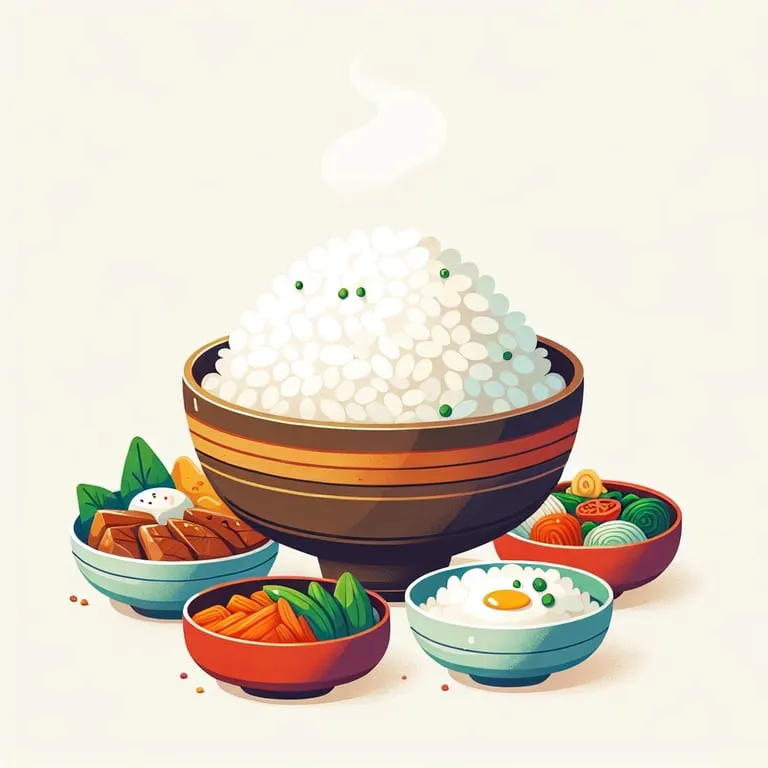
The Heartbeat of Korean Cuisine: More Than Just a Grain of Rice
Growing up between the vibrant cultures of Canada and the United States, my dinner table often featured rice. It was a familiar presence, sometimes a simple side dish, perhaps mixed with a few vegetables, or faithfully accompanying a curry or stir-fry. It was a staple, for sure, but I can tell you, it was rarely the star of the show, not in the way it is in so many Asian cultures! After spending decades deeply immersed in both North American and Korean ways of life, I quickly came to realize that in Korea, rice is an entirely different narrative altogether. It’s not just another carbohydrate or merely one component of a meal; it is, without exaggeration, the very heartbeat of Korean food, culture, and history.
For over 2,000 years, this unassuming grain has been meticulously cultivated on the Korean peninsula, weaving itself intricately into the fabric of daily life, cherished traditions, and the very identity of its people. It stands proudly at the absolute core of the Korean table, profoundly symbolizing community, family, and prosperity. Its significance truly extends far beyond simple sustenance, playing an indispensable role in everything from everyday meals to grand national holidays, intimate family gatherings, and solemn ancestral rites. It’s a fascinating journey, isn’t it?!
Cultural Pillars Built on Rice
In Korean culture, the importance of rice runs incredibly deep, actually acting as a foundational element for countless societal concepts. It’s truly amazing how one grain can hold so much meaning.
A Symbol of Life and Abundance
The Korean word for uncooked rice, ssal (쌀), and cooked rice, bap (밥), are inherently linked to the very concept of life itself. Historically, a truly bountiful rice harvest wasn’t just about food; it signified a prosperous year and directly reflected the well-being of the entire family. Even in 2025, rice continues to be a potent symbol of wealth, abundance, and good fortune in Korean households. In fact, sharing a bowl of warm bap with someone isn’t just feeding them; it’s an act of profound hospitality, care, and genuine connection. It’s a gesture that speaks volumes without a single word!
The Center of the Meal
This is where it gets really interesting for someone from a Western background! The everyday phrase for “to eat a meal” in Korean is quite literally “to eat rice” – bap meokda (밥 먹다). This simple linguistic fact powerfully underscores rice’s absolutely fundamental position in the Korean diet. Every single side dish, known as banchan (반찬), is conceived, prepared, and served with the sole intention of being eaten with rice. The entire structure of a Korean meal elegantly revolves around that humble bowl of warm, fluffy rice placed right at the center of the table. It’s the steadfast anchor that effortlessly balances the diverse flavors and myriad textures of the numerous side dishes, comforting soups (guk, 국), and hearty stews (jjigae, 찌개). When I first moved to Korea, this was one of the biggest culinary shifts for me; suddenly, the rice wasn’t just with the meal, it was the meal, and everything else played a supporting, albeit crucial, role.
Integral to Tradition and Ceremony
Rice is absolutely indispensable in Korean traditional ceremonies and holidays. During major holidays like Chuseok (Korean Thanksgiving) and Seollal (Korean New Year), freshly harvested rice is central to preparing offerings for ancestral rites (Jesa). Foods made from rice, particularly tteok (떡, rice cakes), are ubiquitous during these vibrant celebrations. Tteok symbolizes good fortune, longevity, and celebration, making appearances at weddings, birthdays, and other auspicious occasions. Making and sharing tteok is often a deeply communal activity, further reinforcing the strong social ties centered around this versatile grain. It’s not just food; it’s tradition, community, and history all rolled into one delicious bite!
Hospitality and Community
The bapsang (밥상), or the Korean dining table, is truly a sacred space where family and community gather to share not just food, but also conversation, laughter, and mutual support. Offering a bowl of warm rice is considered the most basic and sincere form of Korean hospitality. Sharing bap is an act that strengthens bonds and signifies a profound sense of belonging. When a friend asks, “Have you eaten?” (Bap meogeosseoyo?), it’s often much less about checking your caloric intake and much more about expressing genuine care and concern for your well-being. This highlights just how deeply intertwined food, and particularly rice, is with interpersonal relationships in Korean society. From my perspective, having navigated both cultures for over twenty years, this profound focus on rice as the core element contrasts sharply with the Western tendency to feature a main protein or dish, with starches often relegated to a supporting role. In Korea, the rice isn’t just supporting; it’s the main stage, and the banchan are the brilliant ensemble cast putting on a spectacular show around it.
The Culinary Canvas: Rice Beyond Plain Bap
While steamed white rice (hwinssal bap, 흰쌀밥) or mixed-grain rice (japgok bap, 잡곡밥) remains the most common form and the heart of countless meals, rice in Korean cuisine is incredibly versatile and appears in a multitude of absolutely delicious forms. You’d be amazed by its transformations!
Staple Forms of Rice
- Plain Steamed Rice (Bap): This, as we’ve discussed, is the cornerstone. Warm, perfectly cooked rice provides a neutral, slightly sweet base that perfectly complements the strong, often spicy, and savory flavors of banchan, soups (guk), and stews (jjigae). The quality of the rice itself—its texture, aroma, and subtle sweetness—is highly valued by Korean connoisseurs. Historically, choosing the right variety, often a short-grain Japonica rice, known for its higher amylopectin content (typically 80-85% compared to Basmati’s 70-75% amylose), ensures that characteristic sticky, slightly chewy texture that makes it ideal for eating with chopsticks and for absorbing flavors.
- Bibimbap (비빔밥): Literally meaning “mixed rice,” this iconic dish layers various seasoned vegetables (namul), often succulent meat (like bulgogi), a perfectly fried egg, and sometimes tangy kimchi over a bed of warm rice. Everything is then mixed together with a generous dollop of spicy gochujang (고추장, red chili paste). The rice acts as the ultimate binder, absorbing the myriad flavors and textures of the toppings, creating a harmonious and incredibly satisfying meal in a single bowl. It’s a brilliant, colorful way to use rice as the base for a complex and flavorful creation, truly a feast for the eyes and the palate!
- Gimbap (김밥): Often referred to as “Korean sushi rolls,” Gimbap consists of cooked rice and various fillings (like seasoned vegetables, egg, ham, imitation crab, or tuna) meticulously rolled in dried seaweed sheets (gim, 김). The rice, typically seasoned with sesame oil and salt, is essential not only for its delicate taste but also for binding the fillings together and giving the roll its iconic structure. It’s a wildly popular picnic food, a convenient snack, or a light, satisfying meal that I often packed for my kids’ school lunches when they were younger!
- Juk (죽): A truly comforting rice porridge, Juk is made by boiling rice (or rice flour) with a generous amount of water or broth until it achieves a thick, smooth, and velvety consistency. It can be prepared simply plain or enriched with various ingredients like vegetables, fresh seafood, tender chicken, or crunchy nuts. Juk is incredibly easily digestible, making it a popular breakfast food, especially cherished by the elderly, young children, or anyone feeling a bit under the weather. It’s the ultimate Korean comfort food, a warm hug in a bowl.
- Bokkeumbap (볶음밥): Korean-style fried rice! Cooked rice is expertly stir-fried with a colorful array of vegetables, meat, or seafood, often seasoned with savory soy sauce, aromatic garlic, and nutty sesame oil. It’s a remarkably versatile dish, absolutely perfect for using up leftover rice and ingredients from the fridge, and can range from a simple vegetable fried rice to an elaborate and much-loved kimchi fried rice (kimchi bokkeumbap, 김치볶음밥).
Transformed Rice: Tteok and Beverages
- Tteok (떡, Rice Cakes): This is where rice truly transforms into a dazzling myriad of textures and tastes beyond its familiar grain form. Made from steamed rice flour (either glutinous or non-glutinous), tteok can be pounded, molded, or sliced into countless varieties—from the soft and chewy Songpyeon (송편) enjoyed during Chuseok, to the long cylindrical Garaetteok (가래떡) used in Tteokguk (떡국, rice cake soup) for Seollal and the ever-popular Tteokbokki (떡볶이, spicy rice cakes), or even sweet, layered creations like Sirutteok (시루떡). Tteok is a major culinary category in itself, beautifully showcasing the incredible potential of rice flour. Did you know there are literally hundreds of varieties?!
- Rice Beverages: Rice also lends its essence to create wonderfully refreshing traditional drinks like Sikhye (식혜), a sweet, malty rice punch, and Sujeonggwa (수정과), a delightful cinnamon-ginger punch often served after meals. These beverages skillfully utilize the starch and natural sweetness of rice in liquid form, offering a unique taste experience.
Rice in Modern Korean Society and Global Influence
The enduring legacy of rice in Korea isn’t just confined to tradition; it continuously evolves, influencing modern dietary patterns and making a significant impact on the global culinary scene. It’s truly fascinating to witness!
Evolving Consumption Patterns
While rice remains absolutely central to traditional meals and most lunches and dinners, modern Korean cuisine definitely showcases some evolving dietary shifts. With increasing globalization and urbanization, there’s been a growing popularity of Westernized breakfasts, various noodle dishes like ramyeon, jjajangmyeon, or naengmyeon, and a burgeoning street food culture that doesn’t always feature rice prominently. However, it’s crucial to understand that rice still maintains its position as the primary staple. According to data from the Korean Rural Economic Institute, daily per capita rice consumption has experienced a gradual decline over the past few decades—dropping from an average of over 130 kg per year in the 1970s to approximately 56 kg per year in 2023. Despite this, it still overwhelmingly surpasses the consumption of other grains, underscoring its unwavering cultural and dietary importance. It’s a dynamic landscape, but rice holds its ground!
Global Spread and Culinary Innovation
The phenomenal rise of Hallyu, or the “Korean Wave,” has truly catapulted Korean food onto the global stage. Dishes like Bibimbap, Gimbap, and especially Tteokbokki have become international sensations, perfectly showcasing rice’s incredible versatility and appeal. This global exposure has sparked countless culinary innovations. We’re seeing fusion dishes emerging, and even in these new creative approaches, rice frequently remains a core, celebrated element both within and outside Korea. For instance, trendy Korean cafes now offer unique rice-based desserts, and health-conscious restaurants often feature vibrant bowls of ancient grain japgokbap, highlighting rice’s adaptability to contemporary tastes. The global embrace of K-food clearly demonstrates that rice is more than just a local staple; it’s a universal ingredient capable of inspiring delicious innovation!
From the simplest, steaming bowl of plain rice to elaborate rice cakes and hearty, comforting porridges, rice is not merely present in Korean cuisine; it is, quite literally, foundational. It provides the perfect canvas upon which other vibrant flavors are painted, the essential texture that beautifully balances crunchy and soft banchan, and the undeniable substance that makes a meal truly complete and satisfying. Having lived on both sides of the Pacific for so long, I’ve come to deeply appreciate this undeniable centrality of rice in Korea. It’s a profound culinary concept that fundamentally shapes how meals are composed, shared, and truly enjoyed. It’s less about finding a single “main dish” and much more about skillfully creating a harmonious collective of flavors and textures that are, quite simply, best enjoyed with rice. This deep understanding has helped me see the Korean dining table not just as a place to eat, but as a rich, cultural landscape where rice is the enduring and vital geography.
In conclusion, rice in Korean cuisine is so much more than just a mere side dish. It is a profound cultural touchstone, a powerful symbol of prosperity and community, and the incredibly versatile foundation for an astonishing array of dishes. It is the silent, yet absolutely essential, guest at every Korean table, embodying centuries of history, cherished tradition, and the simple, yet profound, act of sharing a meal. What an incredible journey this humble grain takes us on, don’t you think?!
FAQ
Q: Is Korean rice the same as other types of rice, like Basmati or Jasmine?
A: No, Korean rice, often referred to as Japonica or short-grain rice, is distinct. It’s typically shorter, plumper, and significantly stickier when cooked compared to long-grain varieties like Basmati or Jasmine. Its unique sticky texture is perfect for eating with chopsticks and forming cohesive dishes like Gimbap.
Q: Why is ‘Bap’ (cooked rice) so important in Korean meals?
A: Bap is considered the foundation and the crucial balancing element of a Korean meal. The diverse banchan (side dishes), which are often strong in flavor, are specifically designed to be eaten with the neutral, comforting taste and texture of rice. It beautifully ties all the components of the meal together into a harmonious whole.
Q: Are all Korean meals based on rice?
A: While rice is absolutely central to traditional meals and most lunches and dinners, modern Korean cuisine does include dishes like noodles (ramyeon, jjajangmyeon, naengmyeon) and certain stews that can be served without immediate rice (though rice is often eaten alongside or afterwards). However, rice definitely remains the primary staple for the vast majority of meals.
Q: What is Tteok (rice cake) made of?
A: Tteok is primarily made from rice flour, usually either glutinous rice flour (chapssal) for a chewier texture or non-glutinous rice flour (mepssal). The flour is typically steamed, pounded, and then shaped in various forms to create different types of rice cakes.
Q: How is rice used in Korean holidays like Chuseok and Seollal?
A: During major holidays, freshly harvested rice is paramount. For Chuseok (Korean Thanksgiving), it’s used to make Songpyeon, while for Seollal (Korean New Year), Garaetteok for Tteokguk is essential. These special rice cakes are offered to ancestors during Jesa (ancestral rites) and are joyfully shared among family members as a core part of the celebration.
Q: Is Korean rice healthy?
A: Cooked white rice is a good source of carbohydrates, providing essential energy. Many Koreans also widely consume japgokbap (mixed-grain rice), which blends white rice with various other grains like barley, millet, beans, and sorghum, significantly enhancing its fiber content and nutritional profile.
Q: How has rice consumption changed in Korea over time?
A: While rice remains the staple, per capita consumption in South Korea has seen a gradual decline over several decades. For instance, according to the Korean Rural Economic Institute, daily per capita rice consumption dropped from over 130 kg per year in the 1970s to around 56 kg per year in 2023, reflecting diversifying dietary preferences.
Q: What makes Korean short-grain rice ideal for Korean dishes?
A: Korean short-grain (Japonica) rice has a higher amylopectin content (typically 80-85%) compared to other rice types. This gives it its characteristic sticky, slightly chewy texture and subtle sweetness when cooked, making it perfect for absorbing the robust flavors of Korean side dishes and for traditional eating with chopsticks.

Written by WhatIneed.kr
Having lived in South Korea, the US, and Canada, I love experiencing and exploring diverse cultures and dietary habits. As a dedicated food guide, I explore the rich traditions of Korean cuisine, specializing in authentic home cooking, traditional fermentation, and peaceful Korean temple food.