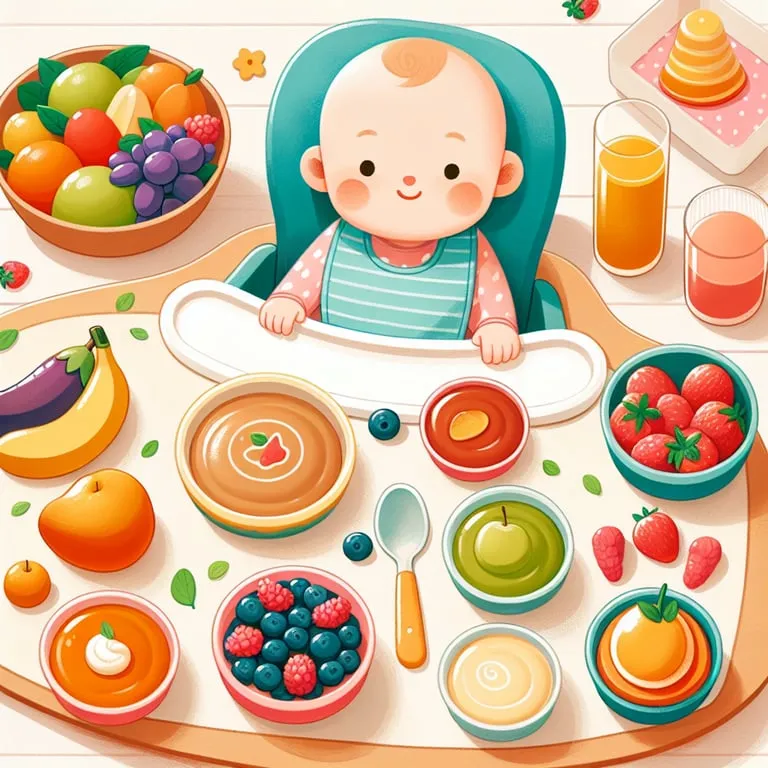
Hello there, lovely parents! Today, I want to chat with you about something truly special for our little ones: a vegan baby diet plan. Have you ever heard about it? It’s all about creating delicious, nutritious meals for babies using only plant-based ingredients – no animal products whatsoever! In 2025, more and more parents like us are becoming increasingly interested in vegan baby food, not just for health reasons, but also out of concern for our planet.
As a parent myself, who’s spent years across different cultures in Korea, Canada, and the US, I had so many questions and, let’s be honest, a good deal of worries when I first considered this path for my child. So, I dove deep, studied hard, and learned a lot through my own experiences. And guess what? I’m here to share all that wisdom with you today!
But here’s the thing, friends: a vegan baby diet isn’t just about swapping out ingredients. Oh no, it’s so much more than that! It demands careful planning and preparation to ensure our babies get all the essential nutrients for their rapid growth and development. Starting without enough knowledge or with misinformation can actually be detrimental to their health, and we certainly don’t want that, do we?! So, let’s make sure we’re doing this right!
Are you ready to dive into the wonderful world of vegan baby food? We’re going to cover everything from crucial considerations before starting, to meal planning, simple recipes, and important precautions. Let’s get started on this exciting journey together! ✨
Preparing for a Plant-Powered Start: What to Check First!
Before you embark on this beautiful vegan journey for your little one, there are a few essential steps you simply must take. Think of these as your foundational pillars for success!
Consulting the Experts: Your First and Best Resource
Seriously, this is non-negotiable! The very first thing you should do is schedule a consultation with your pediatrician or a registered dietitian. They are the true professionals who can accurately assess your baby’s growth status and nutritional needs. Getting their expert advice on your vegan baby diet plan is paramount. Especially if your baby has any existing health conditions or developmental concerns, talking to a specialist is absolutely crucial. I remember vividly how I discussed my entire plan with my pediatrician and a wonderful dietitian. We regularly checked my child’s growth and adjusted the diet as needed, ensuring everything was on track. It brought such peace of mind, you know?
Allergy Alert: Staying Vigilant and Safe
Babies are delicate, and their systems are still developing. That’s why we need to be extra cautious about potential allergens like soy, nuts, and wheat. These can be significant protein sources in a vegan diet, but they’re also common allergens. When introducing new foods, always, always start with a tiny amount, slowly increasing it while carefully observing for any allergic reactions. A good rule of thumb I learned from my Canadian friends is the “three-day rule,” where you offer a new food for three days straight to monitor for reactions. If you notice anything unusual – hives, swelling, breathing difficulties – stop immediately and seek medical attention. It’s better to be safe than sorry, right?!
Essential Nutrient Checklist: Don’t Miss a Beat!
One of the biggest concerns with any vegan diet, especially for babies, is ensuring adequate intake of specific nutrients. We’re talking about iron, calcium, vitamin B12, vitamin D, zinc, and Omega-3 fatty acids. These can be a bit trickier to get solely from plant sources, so a strategic plan is a must! You might need to consider fortified foods, like iron-fortified cereals or calcium-fortified plant milks (once age-appropriate!), or even supplements for vitamin B12 and vitamin D. For example, in North America, vitamin D supplementation is almost universally recommended for infants, regardless of diet, due to limited sun exposure and breast milk’s varying content. I personally ensured my little one regularly consumed iron-fortified baby cereal and a daily vitamin D supplement. It’s all about balance and being proactive!
Crafting a Smart Menu: Balancing the Building Blocks!
Creating a well-rounded vegan baby diet plan is like being a culinary architect! You want to make sure all the nutritional “building blocks” are in place for optimal growth. Let’s explore how to achieve that perfect balance.
Carbohydrates: Fueling Their Tiny Engines
Carbohydrates are the primary energy source for our active babies! Focus on whole grains like brown rice, oats, barley, along with potatoes and sweet potatoes as staples. Unrefined whole grains are fantastic because they’re packed with fiber and essential minerals, which are great for your baby’s developing digestive system. I often mix brown rice and oats to make a wholesome porridge or steam sweet potatoes and mash them into a lovely puree. It’s simple, yet so effective! Think about the diverse grain options available in different cultures; from Korean multigrain rice (japgokbap) to oatmeal a Canadian child might eat, the principle is the same – whole grains are winners!
Proteins: The Mighty Muscle Builders
Proteins are crucial for growth and repair, and the plant kingdom offers an incredible array of options! Legumes like tofu, lentils, and chickpeas are excellent choices. Don’t forget nuts and seeds (but be mindful of allergies and prepare them safely, often ground or as butters for older babies!). For instance, in 2025, we’re seeing more innovative seed-based butters becoming available. Pairing legumes with vitamin C-rich vegetables, such as broccoli or bell peppers, is a smart move, as vitamin C significantly enhances iron absorption from plant sources. Imagine a hearty lentil soup with finely chopped broccoli – not only delicious but a nutritional powerhouse!
Healthy Fats: Essential for Brain Development
Fats are not the enemy; healthy fats are absolutely vital for brain development and energy! Avocados and various plant-based oils like olive oil and sunflower oil are your friends here. Avocados, with their creamy texture and rich nutrient profile, are perfect for baby food. I love mashing avocado with banana to create a smooth, nutrient-dense puree, or even adding a dollop to a savory mash. A tiny drizzle of high-quality olive oil in their purees also boosts calorie intake and provides beneficial fatty acids, similar to how many Mediterranean diets incorporate it from early ages.
Vitamins and Minerals: A Rainbow of Goodness
Encourage your baby to “eat the rainbow” with a wide variety of colorful fruits and vegetables! These are bursting with vitamins and minerals. Pay special attention to vitamin C-rich veggies like broccoli, kale, and bell peppers, as they aid in iron absorption, as we discussed. I always made sure my child’s meals were a vibrant mix, almost like a “rainbow cake” of veggies. It’s not just about nutrition; it introduces them to different tastes and textures, fostering a love for healthy eating from day one!
Wholesome and Easy Vegan Baby Recipes: Mama’s Healthy Kitchen!
Worried that vegan baby food sounds complicated? It absolutely doesn’t have to be! With a few simple recipes, you can whip up delicious and healthy meals in no time. Let me share some of my go-to’s!
Silky Smooth Tofu Puree
This is a fantastic first food! Simply blanch some firm tofu in boiling water to remove any excess water and ensure cleanliness. Then, pop the blanched tofu into a blender with a little water until it reaches a smooth, liquid-like consistency. For younger babies, pass it through a fine-mesh sieve to ensure it’s perfectly smooth. Tofu is a wonderful source of plant-based protein and calcium, making it a staple in many East Asian baby diets, and for good reason!
Hearty Lentil Soup
Lentils are nutrient powerhouses! Soak your lentils for at least 30 minutes, or even overnight, to aid digestion and reduce cooking time. Then, in a pot, combine the soaked lentils with water and simmer until they are very tender. Once cooked, blend them into a smooth soup. You can add finely diced broccoli or carrots during the cooking process to boost the vitamin and mineral content. My little one just loved this warm, comforting soup!
Creamy Avocado Banana Puree
This one is a crowd-pleaser and super easy! Just mash ripe avocado and banana together. If you want to prevent browning, a tiny squeeze of lemon juice does the trick (but introduce citrus cautiously and in very small amounts). This puree is rich in healthy fats, potassium, and vitamins, offering a lovely soft texture and naturally sweet flavor. It’s a taste of the tropics that babies seem to adore!
Tip for success: Always adjust the consistency of your purees to match your baby’s developmental stage. Start with a very thin consistency and gradually thicken it as they get older and more accustomed to solids. This approach mimics what many parents do with traditional purees, regardless of dietary preference!
Important Considerations: Navigating the Vegan Baby Diet Safely!
While incredibly rewarding, a vegan baby diet requires diligence and ongoing attention to ensure your child thrives. Let’s talk about some key precautions.
Preventing Nutrient Deficiencies: Supplements are Key!
As we’ve discussed, preventing deficiencies in iron, calcium, vitamin B12, and vitamin D is paramount. Fortified foods and supplements are often necessary. Vitamin B12, for instance, is almost exclusively found in animal products, so supplementation is essential for vegan babies. This isn’t a suggestion; it’s a medical necessity to prevent severe neurological issues. I consistently gave my child a physician-recommended vitamin B12 supplement without fail. Many pediatricians in Canada and the US will stress this point firmly.
Ensuring Adequate Calorie Intake: Fuel for Growth!
Plant-based foods are often rich in fiber, which can make babies feel full quickly. This means we need to be mindful of ensuring they consume enough calories for their rapid growth. I often added a small amount of plant-based oil to purees, or incorporated calorie-dense ingredients like sweet potatoes and avocados. Think about how much energy babies burn through crawling, playing, and simply growing – they need consistent, nutrient-rich fuel!
Regular Health Check-ups: Stay on Track!
Consistent communication with your healthcare provider is crucial. Regular check-ups allow you to monitor your baby’s growth and development, and if needed, evaluate their nutritional status through blood tests, especially for iron and vitamin B12 levels. I made it a point to visit my pediatrician every three months to get an assessment of my child’s growth and seek advice on our dietary plan. This proactive approach is highly recommended by health organizations worldwide.
Embrace Diversity: A World of Flavors!
Offer a wide variety of ingredients to prevent nutritional imbalances and introduce your baby to diverse tastes and textures. This exposure can also help prevent pickiness later on. Every week, I made an effort to introduce a new vegetable or fruit, allowing my child to explore different flavors and expand their palate. This is a common practice in many culinary cultures, whether it’s in Korean banchan or a North American family dinner.
Immaculate Hygiene: Safety First!
When preparing baby food, cleanliness is next to godliness! Thoroughly wash all ingredients and keep your cooking utensils scrupulously clean to prevent bacterial contamination. I meticulously washed all produce under running water and sterilized all cooking tools in boiling water. This minimizes the risk of foodborne illnesses, which are particularly dangerous for infants.
Seeking Further Guidance? You’ve Got This!
Want to learn more? There’s a wealth of information out there!
Resources Galore: Dive In!
Explore books and reputable websites focusing on vegan baby and child nutrition. These resources can provide an abundance of recipes and valuable insights. For example, many online communities like “KeepEarth.kr” and “Vegeland.com” (as of 2025!) are fantastic for connecting with other vegan parents and finding new ideas!
Professional Support: Don’t Hesitate!
Always remember, dietitians and pediatricians are your allies. Don’t hesitate to seek their professional assistance to create a balanced diet plan that meets your baby’s unique nutritional needs. They can provide tailored advice that general guidelines can’t.
Disclaimer: The information provided here is for general guidance only and may not be suitable for every baby. Always consult with a healthcare professional, such as a pediatrician or a registered dietitian, to develop a vegan baby diet plan that is appropriate for your individual child’s needs. Your baby’s health is the top priority!
Embarking on a vegan baby diet might seem a little daunting at first, but with careful planning and consistent effort, you can provide your little one with a healthy and happy start to their culinary journey. I’m cheering you on every step of the way! Keep up the amazing work, parents! 😊
Frequently Asked Questions about Vegan Baby Diets
Here are some common questions and answers to help you on your vegan baby food journey!
Q1. When can I start a vegan baby diet for my child?
A1. Generally, solid foods, including vegan options, can be introduced around 6 months of age. However, this can vary based on your baby’s developmental readiness, so it’s always best to consult your pediatrician or a registered dietitian first.
Q2. What are the most crucial nutrients to monitor in a vegan baby diet?
A2. The most critical nutrients are iron, calcium, vitamin B12, vitamin D, zinc, and Omega-3 fatty acids. These can be more challenging to obtain sufficiently from a purely plant-based diet and often require careful planning, fortified foods, or supplementation.
Q3. My baby has a soy allergy. Can they still follow a vegan diet?
A3. Yes, absolutely! If your baby has a soy allergy, you’ll need to use alternative protein sources like lentils, chickpeas, various beans (if tolerated), and specific nuts and seeds (introduced cautiously and in age-appropriate forms). There are many soy-free vegan options available.
Q4. Is preparing vegan baby food more difficult than conventional baby food?
A4. Not necessarily! While it requires careful attention to nutrient balance, many vegan baby food recipes are straightforward and use common ingredients. The main difference lies in the specific planning to ensure all nutritional needs are met.
Q5. What if my baby isn’t eating their vegan purees well?
A5. It’s common for babies to be finicky! Try adjusting the texture, introducing new flavor combinations, or mixing in a favorite fruit or vegetable. Patience, positive reinforcement, and making meal times fun can go a long way in fostering a positive eating experience.
Q6. My baby is constipated on a vegan diet. What should I do?
A6. Vegan diets are high in fiber, which can sometimes lead to constipation. Ensure your baby is well-hydrated and consuming plenty of fiber-rich fruits like prunes, pears, and apples, or vegetables. A probiotic supplement, recommended by your pediatrician, might also help.
Q7. Which plant-based oils are best for vegan baby food?
A7. Good choices include olive oil, sunflower oil, and avocado oil. These are rich in unsaturated fats, which are beneficial for your baby’s health. Remember, oils are calorie-dense, so use them in moderation.
Q8. Can you recommend any books or websites for vegan baby food recipes?
A8. In 2025, popular resources often include books like “The Plant-Based Baby and Toddler” or “Vegan for Life.” Online, websites like Plant-Based Juniors, Solid Starts (which includes plant-based options), and specific vegan parenting blogs offer a wealth of information and recipes.
Q9. Is it safe to introduce allergens like nuts in a vegan baby diet?
A9. Yes, current guidelines (e.g., from the American Academy of Pediatrics) often recommend early introduction of common allergens, including nuts, in small, safe forms (like smooth nut butters mixed into purees) to potentially reduce allergy risk. Always consult your pediatrician for specific guidance on allergen introduction.
Q10. How do I ensure my baby gets enough iron on a vegan diet?
A10. Focus on iron-fortified cereals, legumes (lentils, chickpeas), tofu, and dark leafy greens. Pair these with vitamin C-rich foods (bell peppers, oranges, berries) to maximize iron absorption. Regular monitoring of iron levels by a doctor is also important.
Q11. What about calcium sources in a vegan baby diet?
A11. Excellent plant-based sources include fortified plant milks (once age-appropriate and not as a primary milk substitute for infants), fortified yogurts, tofu set with calcium sulfate, dark leafy greens (kale, collard greens), and fortified cereals.
Q12. When can my baby have plant-based milk alternatives?
A12. Plant-based milks should not replace breast milk or formula for infants under 12 months. After 1 year, unsweetened, fortified soy milk or other fortified plant milks can be introduced, but breast milk or formula remains the primary source of nutrition. Always choose unsweetened varieties.
Q13. How can I make sure my baby gets enough Omega-3 fatty acids?
A13. Incorporate ground flaxseeds, chia seeds, and hemp seeds into purees or porridges. Algal oil supplements, which provide DHA and EPA directly, are also an excellent and highly recommended option for vegan infants and children.
Q14. What are some good sources of zinc for a vegan baby?
A14. Zinc can be found in legumes (lentils, beans), nuts and seeds (pumpkin seeds, cashews, introduced safely), whole grains (oats, quinoa), and fortified cereals.
Q15. Should I cook all vegetables for my baby, or can some be raw?
A15. For infants and young toddlers, most vegetables should be cooked until very soft to prevent choking hazards and aid digestion. As they get older and develop better chewing skills, you can gradually introduce soft, raw fruits and finely grated raw vegetables.
Q16. What’s the deal with “baby-led weaning” for vegan babies?
A16. Baby-led weaning (BLW) can absolutely be done with a vegan diet! It involves offering age-appropriate, soft, finger-sized pieces of whole, plant-based foods. This approach encourages self-feeding and exploration of textures and flavors. Just ensure foods are prepared to be soft and easy for the baby to gum or chew.
Q17. How can I handle a picky eater on a vegan diet?
A17. Offer a variety of foods repeatedly without pressure. Try different presentations, textures, and flavors. Involve them in food preparation if age-appropriate. Remember, it can take many exposures for a child to accept a new food. Keep meals positive and stress-free.
Q18. Are there any specific vegan baby food brands I should look for?
A18. In 2025, many brands offer organic, plant-based purees and snacks. Look for brands that clearly state they are vegan and prioritize whole food ingredients with no added sugars or artificial additives. Always check nutrient labels, especially for fortified options.
Q19. How do I travel with a vegan baby and their food?
A19. Pre-prepare purees and store them in insulated containers or pouches. Pack shelf-stable options like fruit and veggie pouches, dry cereals, or plant-based teething biscuits. Always bring extra, and familiarize yourself with vegan-friendly options at your destination.
Q20. What is the long-term outlook for children raised on a well-planned vegan diet?
A20. When carefully planned and monitored by healthcare professionals, a vegan diet can support healthy growth and development in children. Studies, including some from the American Academy of Nutrition and Dietetics, indicate that well-planned vegan diets are appropriate for all stages of life, including infancy and childhood, potentially offering benefits like lower risk of chronic diseases later in life. Consistency and diligence in nutrient intake are key for these positive outcomes.