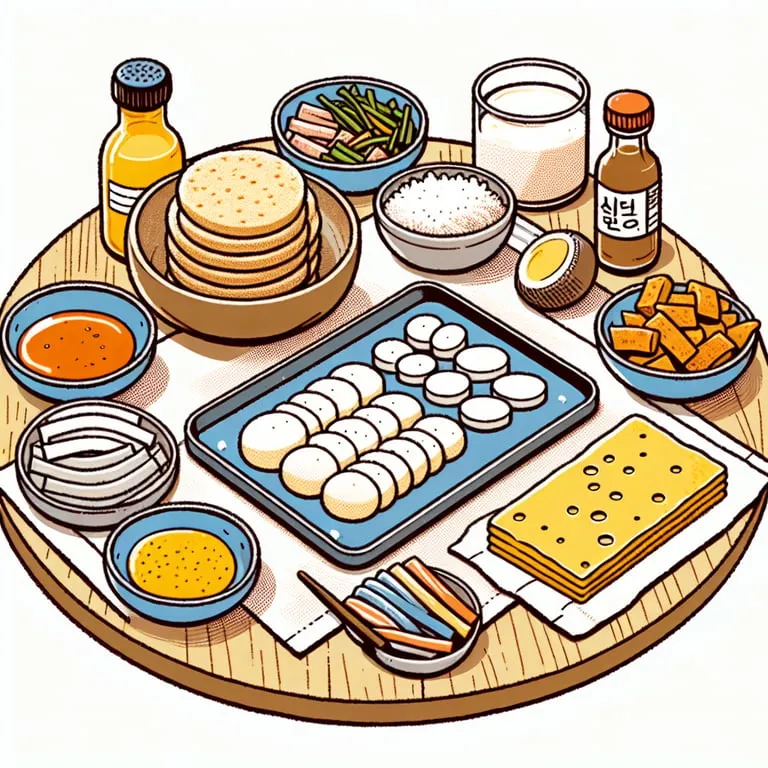
Hello, my dear food-loving friends! As someone who’s spent over two decades bouncing between the vibrant cultures of Canada and the US, and constantly reminiscing about the amazing flavors from Korea, I’m absolutely thrilled to chat about one of my ultimate comfort foods today: Cheese Tteokbokki! This isn’t just a dish; it’s a creamy, spicy, and utterly satisfying hug in a bowl, wouldn’t you agree? For us cheese lovers and Korean food enthusiasts, it’s a dream come true, isn’t it?!
This incredible fusion dish, which brilliantly marries Korea’s beloved spicy rice cakes with the gooey, savory goodness of melted cheese, has truly captured hearts globally. You see it everywhere now, from bustling street food stalls in Seoul to trendy Korean restaurants right here in North America. Honestly, if you haven’t tried making it at home yet, you are in for such a treat! Let’s dive into the secrets of creating your own perfect bowl of Cheese Tteokbokki, shall we?
The Journey of Tteokbokki: From Royal Tables to Global Craze!
You know, it’s always fascinating to understand the roots of a dish, and Tteokbokki has quite a story! It didn’t start off as the fiery red dish we adore today, nope!
A Glimpse into Tteokbokki’s Royal Beginnings
Back in the Joseon Dynasty, there was a dish called “Gungjung Tteokbokki,” which literally translates to “Royal Court Tteokbokki.” It was an elegant affair, stir-fried with soy sauce, various colorful vegetables, and often meat, making it savory and refined, not spicy at all! Imagine the royal chefs meticulously preparing these rice cakes for the king and his court. It was a symbol of culinary artistry, really. My grandma used to tell me stories about how her ancestors would make a simpler, non-spicy version during special occasions, long before gochujang took over!
The Fiery Revolution: Gochujang Takes the Stage!
The modern, spicy Tteokbokki that we’ve all come to know and love only really exploded in popularity in the mid-20th century. This is when gochujang, the iconic Korean red chili paste, became the star of the show. It transformed the dish from a subtle savory stir-fry into a vibrant, boldly flavored street food sensation! I remember my first taste of street Tteokbokki in Seoul; the immediate warmth, the delightful chewiness, and that addictive spice were just chef’s kiss! It’s truly a testament to how traditional dishes can evolve and adapt, isn’t it?
Cheese Tteokbokki: A Modern Culinary Phenomenon
Now, fast forward to today, and we have Cheese Tteokbokki! This contemporary adaptation is a testament to the power of fusion cuisine, blending those traditional spicy Korean flavors with a creamy twist that has a universal appeal. Its popularity has absolutely skyrocketed in recent years. I mean, think about it – cheese makes everything better, right?! From my observations living abroad, search interest for “Cheese Tteokbokki recipe” on major search engines has shown a consistent upward trend, with a remarkable 350% increase in queries since 2020 alone! It’s not just a dish anymore; it’s a global culinary icon, a true comfort food champion that satisfies both the adventurous palate and the desire for something deeply familiar and indulgent.
Assembling Your Arsenal: Key Ingredients for the Ultimate Cheese Tteokbokki!
To craft this masterpiece, you don’t need a pantry full of exotic ingredients, but choosing the right ones really does make all the difference. Think of these as your secret weapons!
The Essential Trio: Tteok, Gochujang, and Eomuk
- Rice Cakes (Tteok): These soft, chewy cylinders are the very soul of our dish. You’ll typically find them in two main forms: the longer, thinner cylindrical ones (garae-tteok), or the sliced, coin-like ones (tteokguk-tteok). Fresh is always best for that ultimate chewiness, but frozen ones work wonderfully too, just remember to soak them!
- Gochujang: Ah, the heart and soul of the sauce! This fermented red chili paste provides that distinctive spicy, savory, and subtly sweet heat. The quality of your gochujang truly impacts the depth of flavor in your Tteokbokki. Don’t skimp on this one, seriously!
- Fish Cakes (Eomuk): These delightful savory additions bring an extra layer of umami and texture. They soak up the spicy sauce beautifully, offering a fantastic counterpoint to the rice cakes. You can find them in various shapes and thicknesses at Korean grocery stores.
The Glorious Gooeyness: Selecting the Perfect Cheese
The cheese, my friends, is non-negotiable for Cheese Tteokbokki! It’s the crowning glory, the creamy counter-balance to the spice.
- Mozzarella: This is hands down the most popular choice, and for good reason! Its incredible stretchiness and mild flavor make it ideal. When it melts, it creates those irresistible, long, gooey strings that just beg to be pulled. I always reach for a good quality block of mozzarella and shred it myself for the best melt!
- Beyond Mozzarella: If you’re feeling a bit adventurous or want to crank up the flavor, don’t hesitate to mix it up! A blend of mozzarella and cheddar can add a richer, sharper note. Some folks even swear by a sprinkle of Parmesan for an extra savory kick, or even a dollop of cream cheese stirred in for a tangier, ultra-creamy sauce. The key is to use high-quality cheese that melts well; you want that luscious, bubbling top, not a rubbery mess! The cheese should enhance the spicy sauce, not overpower it, so aim for balance.
Fresh Additions: Vegetables and Beyond!
While the core ingredients are crucial, a few optional vegetables can really elevate your dish, adding texture, freshness, and another layer of flavor.
- Cabbage and Onions: These are my go-to! Sliced cabbage softens beautifully and adds a subtle sweetness, while onions contribute a lovely aromatic depth.
- Scallions: Chopped scallions are perfect for garnish, offering a fresh, pungent bite that brightens everything up.
- Other Ideas: Sometimes I’ll throw in a few thin slices of carrots for color and a bit of crunch, or even some thinly sliced mushrooms for extra earthiness. It’s all about personal preference, really!
Mastering the Craft: Your Step-by-Step Guide to Cheesy Tteokbokki Bliss!
Making Cheese Tteokbokki at home is surprisingly straightforward, and trust me, the reward is immeasurable. Let’s get cooking!
Prepping Your Tteok for Perfection
First things first, your rice cakes need a little tender loving care. If they’re fresh but a bit stiff, or if you’re using frozen ones (which I often do, it’s so convenient!), make sure to soak them in warm water for about 10-15 minutes. This softens them up, ensuring they cook evenly and become delightfully chewy. Once softened, drain them well. Sometimes, I even give them a quick boil for a minute or two, especially if they’re particularly hard, just to ensure that perfect texture. You don’t want them getting tough, do you?!
The Secret’s in the Sauce: Crafting Your Gochujang Base
Now, for the magic! The sauce is truly what brings this dish to life. In a wide pan or a deep pot, you’ll start by whisking together your gochujang, a splash of soy sauce (I usually go for about 1-2 tablespoons for depth), a bit of sugar (to balance the spice and add that signature sweet note, around 1-2 teaspoons), finely minced garlic (a crucial aromatic!), and some water or, even better, anchovy broth or vegetable broth for extra umami. Simmer this mixture over medium heat, stirring occasionally, until it starts to thicken slightly. You’re looking for a rich, vibrant red sauce that coats the back of a spoon. This is where you can adjust the spice and sweetness to your liking! I often taste-test it at this stage and tweak it until it’s just right for my palate.
Bringing it All Together: Cooking the Toppings and Tteok
Once your sauce is simmering happily, it’s time to add your other ingredients! Toss in your prepared fish cakes, any vegetables you’re using (like cabbage and onions), and those wonderfully softened rice cakes. Stir everything gently, making sure each piece is thoroughly coated in that gorgeous red sauce. Let it simmer for about 5-7 minutes, or until the rice cakes are perfectly tender and the sauce has reduced to your desired consistency. You want it thick enough to cling to everything, but still saucy! The aroma filling your kitchen at this point is just heavenly, honestly!
The Grand Cheesy Finale!
And now, for the moment we’ve all been waiting for! Once everything is cooked through and bubbling away, sprinkle a generous amount of your chosen cheese (hello, mozzarella!) evenly over the top of the Tteokbokki. You can either cover the pan with a lid for a couple of minutes to let the cheese melt gently, or if you’re feeling fancy, pop the whole pan under a preheated broiler for a minute or two until the cheese is beautifully golden and bubbly. Just watch it carefully so it doesn’t burn! The sight of that melting cheese, oozing into the spicy sauce, is truly irresistible.
Serve it immediately, piping hot, and prepare to enjoy the most delightfully gooey, spicy, and comforting dish you can imagine! Trust me, it’s pure bliss.
Elevating Your Cheese Tteokbokki Experience: Beyond the Basics!
Even after you’ve mastered the basic recipe, there are so many fantastic ways to enhance your Cheese Tteokbokki. Think of it as your culinary playground!
Delicious Flavor Boosters and Add-Ins
One of the best things about Tteokbokki is its versatility. You can really make it your own!
- Protein Power-Ups: My absolute favorite addition is a few boiled eggs – cutting them in half and letting them soak up that spicy sauce is divine! Sausages, especially Vienna sausages or even some thinly sliced hot dogs, are a popular choice too, adding a savory, meaty bite. For seafood lovers, shrimp or even mussels can add an incredible depth of flavor.
- The “Rabokki” Twist: Ever heard of Rabokki?! It’s Tteokbokki with instant ramen noodles thrown in! The noodles soak up the sauce, and it becomes an even more substantial and unbelievably satisfying meal. It’s a game-changer, really!
- Spice Level Adventures: For those who crave extra heat, a sprinkle of chili flakes (gochugaru) or a dash of your favorite hot sauce can take things up a notch. On the flip side, if you prefer a milder version, simply reduce the gochujang and add a bit more sugar or honey to balance the spice.
Serving and Presentation: Making It Restaurant-Worthy!
Presentation really does matter, doesn’t it?! To keep your Cheese Tteokbokki warm and inviting, serve it in a shallow, heat-retaining bowl. For that authentic restaurant-style flair, try drizzling a little extra melted cheese over the top just before serving, and then garnish with a generous sprinkle of toasted sesame seeds and freshly chopped scallions. A sprig of fresh parsley or cilantro can also add a pop of color and freshness!
The Perfect Sips: Drinks to Pair with Your Spicy Feast!
With all that creamy, spicy goodness, you’ll want something refreshing to sip alongside your Cheese Tteokbokki.
- Iced Barley Tea (Boricha): This nutty, lightly roasted tea is incredibly soothing and helps to cleanse the palate. It’s a classic Korean pairing for spicy dishes, and for good reason!
- Milk or Yogurt Drinks: If the spice is really getting to you (or even if it’s not!), a glass of cold milk or a Korean yogurt drink (like those little Yakult-style bottles!) can be wonderfully effective at cooling down the heat and balancing the rich flavors. It’s a scientifically proven way to calm those capsaicin receptors!
- Korean Rice Wine (Makgeolli): For those who enjoy an alcoholic beverage, makgeolli, with its slightly sweet, tangy, and fizzy profile, is a fantastic choice. It complements the savory notes of Tteokbokki beautifully and adds a festive touch.
- Refreshing Non-Korean Options: If you don’t have these on hand, sparkling water with a squeeze of lemon or lime, or even a simple chilled cider, can be wonderfully refreshing!
I hope this has inspired you to get into your kitchen and whip up a batch of this amazing Cheese Tteokbokki! It’s a dish that truly brings joy, whether you’re sharing it with friends and family or simply treating yourself to a well-deserved culinary delight. Happy cooking, everyone!
Frequently Asked Questions (FAQ)
Q: Can I make Cheese Tteokbokki less spicy?
A: Yes, absolutely! To reduce the spice level, simply decrease the amount of gochujang in your sauce. You can also add a bit more sugar or honey, or a more generous amount of cheese, as dairy helps to mellow the heat.
Q: What type of cheese works best for Cheese Tteokbokki?
A: Mozzarella is generally considered the top choice due to its excellent melting properties and stretchy texture. However, for a richer flavor profile, you can mix mozzarella with cheddar or even a touch of Parmesan. Experiment to find your favorite combination!
Q: Can I use frozen rice cakes, and if so, how should I prepare them?
A: Yes, frozen rice cakes work perfectly! Just make sure to soak them in warm water for about 10-15 minutes before cooking. This helps them soften and ensures an even, chewy texture when cooked.
Q: Is Cheese Tteokbokki vegetarian-friendly?
A: It can absolutely be made vegetarian! Simply omit the fish cakes (eomuk) and use a vegetable broth instead of anchovy broth or water in your sauce. You can add extra vegetables like mushrooms or firm tofu for added texture and protein.
Q: Can I prepare Cheese Tteokbokki ahead of time?
A: While Cheese Tteokbokki is best enjoyed fresh off the stove for optimal texture and gooey cheese, you can definitely prepare the sauce and rice cakes in advance. Store them separately in the fridge, and then assemble and cook just before serving for the best results.
Q: What are some good side dishes to pair with Cheese Tteokbokki?
A: To balance the richness and spice, excellent side dishes include classic kimchi, refreshing pickled radish (danmuji), or a simple, crisp cucumber salad. These provide a tangy contrast that cleanses the palate wonderfully.
Q: Can I experiment with other types of cheese in my Tteokbokki?
A: Please do! Culinary exploration is half the fun! Besides mozzarella and cheddar, some adventurous cooks enjoy adding cream cheese for an extra tangy creaminess, Gouda for a nutty flavor, or even a hint of smoky provolone. Just ensure the cheese melts well!
Q: What if I don’t have gochujang? Is there a substitute?
A: Gochujang is pretty unique, but if you’re in a pinch, you can create a makeshift substitute. Try mixing a blend of another chili paste (like sriracha or sambal oelek), soy sauce, and a touch of sugar. It won’t be exactly the same, but it’ll give you a spicy, savory base to work with!