Hey there, food lovers and curious souls! 👋 Have you ever wondered about the secret behind the incredibly deep, soulful flavors in Korean temple cuisine? Well, if you have, you’ve come to just the right place! As someone who’s spent over a decade each in Korea, Canada, and the US, I’ve had the immense pleasure of diving deep into various food cultures, and I can tell you, traditional Korean jang – especially the kind made in temples – is truly in a league of its own. It’s not just about seasoning; it’s about a philosophy, a mindful practice, and a whole lot of patience.
Today, in 2025, let’s pull back the curtain on the incredible world of temple soy sauce (ganjang) and soybean paste (doenjang). We’ll explore what makes them so special, how they differ from their everyday counterparts, and why they’re experiencing a well-deserved resurgence in global culinary appreciation. Get ready to enrich your understanding and, perhaps, your own cooking too!
The Heart and Soul of Korean Cuisine: Temple Jang
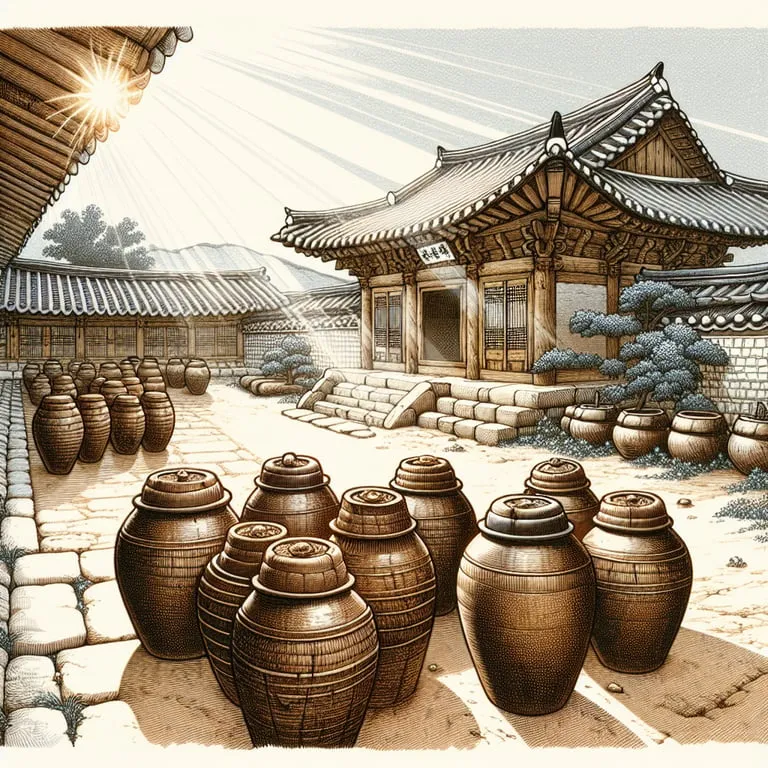
Imagine a time, not so long ago, when grandmothers would meticulously prepare jang in their homes, a tradition I fondly remember from my childhood in Korea. The scent of fermenting soybeans from massive clay pots (jangdokdae) always filled the air, a testament to her loving care. Temple food takes this reverence to another level, transforming simple ingredients into a profound culinary experience. In temples, making jang isn’t just cooking; it’s considered an extension of their spiritual practice, a mindful preparation of sustenance for the year ahead. It’s a process steeped in tradition, purity, and an unwavering connection to nature.
The Sacred Art of Temple Soy Sauce (Ganjang)
Temple ganjang isn’t something you rush. Oh no, it’s a testament to time and dedicated effort, you know? While the basic process might seem familiar to anyone who’s made soy sauce, temples adhere to far stricter standards in selecting ingredients and managing the fermentation. It’s almost like a monk’s meditation, where every drop carries a profound philosophy.
Ingredients: Nature’s Finest Selection
The foundation of great ganjang is impeccable ingredients. Temples often grow their own soybeans or insist on only the highest quality domestic Korean beans. For salt, they exclusively use cheonil-yeom, Korean sea salt, which has been aged for years to remove bitterness-inducing bittern (magnesium chloride, potassium chloride) – typically over three years! And naturally, pure, clean water is absolutely essential. Good ingredients truly are the starting point for that deeply satisfying taste, aren’t they?
The Meticulous Manufacturing Journey
The process is intricate and deliberate. First, the soybeans are thoroughly washed, soaked, and then slow-cooked over a wood fire in a traditional gamasot (large iron cauldron) until they’re perfectly tender. This long, gentle cooking method ensures the beans’ full flavor profile is preserved. Next, these cooked beans are mashed and shaped into meju blocks, which are then hung with rice straw in warm, well-ventilated areas for natural fermentation. This meju is where beneficial microorganisms like Bacillus subtilis work their magic, laying the groundwork for the sauce’s character. Temples maintain pristine conditions during this stage to prevent unwanted bacteria. After the meju has cured, it’s immersed in a carefully prepared brine, made with that aged cheonil-yeom and pure water, with a salinity often precisely controlled between 18-20% to optimize fermentation and preservation. The meju in brine then goes into large earthenware jangdokdae, where it patiently ferments and ages for at least one year, sometimes several, under the sun and wind. This prolonged aging breaks down proteins into amino acids, creating rich umami and a complex flavor profile. Finally, the liquid ganjang is separated, often boiled again to remove impurities and further deepen its flavor, resulting in a clear, pure soy sauce.
Flavor Profile and Distinctive Qualities
Compared to commercial soy sauces, temple ganjang boasts an incredibly deep, rich flavor, often characterized by a subtle sweetness and profound umami. This complexity comes from the extended aging, which naturally breaks down the soy proteins and sugars. It’s less salty and remarkably smooth, making it versatile for any dish without overpowering other ingredients. Many connoisseurs even detect floral or earthy notes, a true testament to its natural fermentation.
Temple Soybean Paste (Doenjang): The Essence of Fermentation
Temple doenjang is another marvel of natural fermentation, a hearty soybean paste made without any artificial additives, relying purely on nature’s alchemy. Like ganjang, it requires immense time and devotion, don’t you think?
Pure Ingredients for Pure Flavor
Just like its soy sauce cousin, temple doenjang starts with the finest soybeans and cheonil-yeom. Quality domestic soybeans, often cultivated organically, are key. The pure water and aged sea salt are indispensable for fostering the optimal conditions for fermentation and bringing out that deeply satisfying taste.
The Artful Process of Making Doenjang
The initial steps for doenjang mirror ganjang: preparing the meju blocks. These carefully crafted meju are then submerged in salt water within those traditional jangdokdae, left to ferment under the sun’s gentle warmth. The brine acts as a safeguard against spoilage and encourages beneficial microbial growth. Over a period of at least six months to a year (often longer!), the meju undergoes a transformative fermentation, developing its characteristic savory depth and robust aroma. Monks carefully monitor this process, sometimes adjusting exposure to sunlight or temperature. After the fermentation, the softened meju is separated from the liquid ganjang (which becomes the temple soy sauce!), then mashed and kneaded extensively. This “kneading” (치대기) is crucial; it refines the texture, deepens the flavor, and gives the doenjang its distinctive, slightly chewy consistency before it’s packed back into jars for further maturation.
A Symphony of Taste and Health Benefits
Temple doenjang offers a profoundly deep, savory, and often slightly sweet taste, with noticeably less saltiness than many commercial varieties. It’s incredibly aromatic, evoking images of rustic kitchens and comforting meals. Beyond its exquisite flavor, the natural fermentation process generates a diverse array of beneficial microorganisms, making it a fantastic source of probiotics for gut health. This rich microbial ecosystem, along with bioactive compounds, is often cited by health experts as a major reason for its renowned health benefits.
Decoding the Differences: Ganjang vs. Doenjang
While both ganjang and doenjang share a common origin—fermented soybeans—their distinct manufacturing processes, flavor profiles, and culinary applications set them apart in fascinating ways!
A Closer Look at Their Unique Characteristics
| Feature | Temple Soy Sauce (Ganjang) | Temple Soybean Paste (Doenjang) |
|---|---|---|
| Main Ingredients | Soybeans, Salt, Water | Soybeans, Salt, Water |
| Primary Process | Cooked Soybeans → Meju → Brine Fermentation → Liquid Separation | Cooked Soybeans → Meju → Brine Fermentation → Paste Extraction & Kneading |
| Flavor Profile | Deep, rich, subtle sweetness, profound umami, clear | Deep, savory, earthy, less salty, often sweet notes, robust |
| Texture | Liquid, clear | Thick, paste-like, often with some remaining bean chunks |
| Key Use | Seasoning, flavor enhancer in soups, stews, marinades, dressings | Base for soups, stews (e.g., doenjang jjigae), dipping sauce (ssamjang) |
Ganjang is predominantly used to season dishes, adding a clean, umami-rich depth to broths, stir-fries, and dressings without clouding other flavors. It’s perfect for highlighting the natural taste of ingredients, you know? Doenjang, on the other hand, provides a robust, hearty base for stews and soups, and it’s famously the star in ssamjang, the delicious dipping paste for Korean BBQ. Its rich, pungent flavor truly elevates the overall profile of a dish!
Temple Cuisine: Where Nature’s Flavors Shine
In temple cuisine, where meat and fish are respectfully omitted in adherence to Buddhist principles, ganjang and doenjang become indispensable. They don’t just season; they unlock the inherent flavors of vegetables, turning simple greens into extraordinary meals!
Ingenious Uses in Temple Kitchens
Temple ganjang finds its way into clear vegetable soups, delicate mushroom stir-fries, and various seasoned vegetable side dishes (namul), imparting a clean and refined taste. Temple doenjang forms the heart of savory doenjang jjigae (soybean paste stew), hearty spinach doenjang guk (soup), and of course, those comforting ssamjangs. Alongside these incredible ferments, temple chefs masterfully utilize a vast array of fresh vegetables and wild mountain greens, creating meals that aren’t just nourishing for the body but also for the mind and spirit. It’s an experience that truly connects you to nature, you’ll find!
The Unspoken Pillars of Temple Jang: Ingredients, Devotion, and Time
The unparalleled taste of temple jang isn’t magic; it’s a triad of fundamental principles: superior ingredients, unwavering devotion, and the irreplaceable element of time. Temples diligently use their own organically grown soybeans and aged cheonil-yeom, allowing the fermentation to unfold naturally over extended periods, minimizing any artificial intervention. This meticulous process ensures that temple jang develops its deep, complex flavors, becoming a truly wholesome and healthy food. It’s like a grandmother’s secret recipe, imbued with warmth and profound wisdom, isn’t it?
Bringing Temple Flavors Home: Tips for Your Kitchen
While replicating the exact depth of temple jang at home might be a challenge, you can certainly capture some of its essence with a few mindful steps!
- Choose Excellent Ingredients: Opt for high-quality, organic domestic soybeans and aged sea salt whenever possible. The quality of your raw materials makes a huge difference!
- Embrace the Process with Heart: Approach making your own ferments with care and patience. Enjoy the journey, you know?
- Allow for Ample Aging: Don’t rush it! A minimum of 6 months, ideally a year or more, is essential for truly deep flavors to develop.
- Trust Natural Fermentation: Avoid artificial additives. Let nature do its work, fostering a rich microbial environment.
In conclusion, traditional jang is more than just a condiment; it’s a cherished heritage of the Korean people, reflecting their profound connection to nature and a sustainable way of life. The ganjang and doenjang of temple cuisine, in particular, embody the deep spiritual commitment of the monastics. I sincerely hope this journey into their secrets inspires you to explore these incredible flavors and perhaps even incorporate them into your own healthy and enriching culinary adventures! ✨
Frequently Asked Questions (FAQ)
Q1. What’s the biggest difference between temple soy sauce and regular commercial soy sauce?
A1. Temple soy sauce distinguishes itself through stricter ingredient selection (often organic, heirloom soybeans and aged sea salt), a longer, natural fermentation period without artificial additives, and the profound intention or “sincerity” (정성) embedded in its creation, viewed as a spiritual practice. This results in a much deeper, more complex, and often subtly sweeter flavor profile.
Q2. What are the key health benefits of consuming temple ganjang and doenjang?
A2. Both fermented foods are rich in probiotics, which support gut health, enhance digestion, and boost the immune system. They also contain essential amino acids, antioxidants, and various bioactive compounds that contribute to overall well-being.
Q3. Can I substitute regular soy sauce for temple soy sauce in recipes?
A3. While you can substitute, the flavor will be quite different. Temple soy sauce offers a unique depth and umami that commercial varieties often lack. If you do substitute, you might need to adjust quantities or add other ingredients to compensate for the flavor difference.
Q4. How long do temple ganjang and doenjang typically last?
A4. When stored in a cool, dark place, ideally in their original jangdokdae or airtight containers, both can last for several years, often improving in flavor with age. Ganjang especially can age for decades, becoming more profound.
Q5. Are temple jang products always organic or vegan?
A5. Given the principles of temple cuisine, the ingredients for temple jang are typically organic (or cultivated using natural, sustainable methods) and always vegan, as they contain no animal products.
Q6. What makes the cheonil-yeom (sea salt) used in temple jang so special?
A6. Cheonil-yeom is unrefined sea salt produced by solar evaporation. Temples age it for several years to allow bitterns (minerals that can impart a bitter taste) to drain, resulting in a milder, purer salt that enhances fermentation and flavor without excessive salinity.
Q7. Is it possible to make temple-style jang at home?
A7. Absolutely! While achieving the exact conditions and long aging of a temple might be challenging, you can certainly make delicious homemade jang by using high-quality Korean soybeans, aged cheonil-yeom, and following traditional methods. Patience is your best friend here!
Q8. What is meju and why is it so important for jang?
A8. Meju is a block of fermented soybeans, typically made by boiling, mashing, and shaping soybeans, then allowing them to dry and ferment with airborne Bacillus subtilis and other beneficial microorganisms. It’s the foundational ingredient for both ganjang and doenjang, providing the enzymes and microbial cultures necessary for their unique flavors and health benefits.
Q9. How does the jangdokdae (earthenware pot) contribute to the quality of temple jang?
A9. Jangdokdae are porous earthenware pots that allow for natural airflow and temperature regulation, which are crucial for optimal fermentation. Their traditional design also protects the jang from extreme elements while exposing it to sunlight and air, allowing complex flavors to develop over time.
Q10. Are there any specific temperatures or humidity levels ideal for jang fermentation?
A10. Traditionally, jang fermentation relies on natural seasonal cycles. For meju, warmer temperatures (around 20-30°C or 68-86°F) and moderate humidity are ideal for initial mold growth. Subsequent aging in brine typically occurs outdoors, adapting to ambient temperatures, which aids in the slow, complex flavor development.
Q11. What are some lesser-known uses for temple doenjang?
A11. Beyond stews and ssamjang, doenjang can be used in marinades for vegetables, as a savory base for dressings, or even lightly spread on toasted bread for a unique umami snack. Some chefs even use small amounts to deepen the flavor of pasta sauces!
Q12. What about the “spirit of discipline” in temple food? How does that translate into the jang?
A12. The “spirit of discipline” refers to the mindful, respectful, and labor-intensive approach taken in preparing temple food. For jang, it means adhering to purity, selecting ingredients with gratitude, performing each step with care, and allowing nature’s time to complete the process without artificial acceleration. This intention is believed to infuse the food with a unique, subtle energy.
Q13. Is temple jang more expensive than commercial jang? Why?
A13. Yes, temple jang is generally more expensive. This is due to the higher quality of often organically grown ingredients, the significantly longer fermentation and aging periods (which means less turnover), and the labor-intensive traditional methods involved. It’s a premium, artisan product.
Q14. How does the flavor of aged temple ganjang change over time?
A14. As temple ganjang ages, its color deepens, its flavor becomes even more concentrated and complex, and its umami notes intensify. It can develop richer caramel-like undertones and a smoother finish, becoming less salty and more savory. Some varieties are aged for over 5 years, reaching a truly exceptional depth.
Q15. Can I find temple jang outside of Korea?
A15. With the growing global interest in Korean cuisine and fermented foods, high-quality traditional jang, including temple-style varieties, is becoming more accessible in international markets, especially in specialty Korean grocery stores or online Asian food retailers. It’s worth seeking out!
Q16. What kind of impact has the increasing popularity of temple food had on the perception of jang?
A16. The rise of temple food has elevated jang from a mere condiment to a celebrated superfood and a symbol of healthy, sustainable eating. It’s now appreciated not just for its taste, but also for its profound health benefits and the mindful philosophy behind its creation.
Q17. What are the main differences between Korean doenjang and Japanese miso?
A17. Both are fermented soybean pastes, but doenjang typically uses whole, unhulled soybeans and relies on naturally airborne bacteria for fermentation, resulting in a stronger, more pungent, and often chunkier paste. Miso often uses hulled soybeans and is fermented with koji mold (Aspergillus oryzae), yielding a smoother texture and a wider range of flavors from sweet and mild to rich and savory.
Q18. Are there regional variations in temple jang within Korea?
A18. While the core principles remain consistent, subtle regional variations can exist based on local soybean varieties, specific water sources, and minor traditional adjustments in the fermentation process unique to certain temples or regions. These differences are often very nuanced.
Q19. How do amino acids contribute to the flavor of jang?
A19. During fermentation, enzymes (proteases) break down the proteins in soybeans into various amino acids, most notably glutamic acid, which is responsible for the rich umami flavor. The balance and concentration of these amino acids are key to jang‘s distinctive taste profile.
Q20. What is the future outlook for traditional jang in the global culinary scene?
A20. The future looks bright! With increasing consumer awareness of gut health, the growing plant-based movement, and a continuous demand for authentic, traditional flavors, jang is perfectly positioned for global expansion. Its versatility and unique umami profile make it an invaluable ingredient for diverse culinary applications.