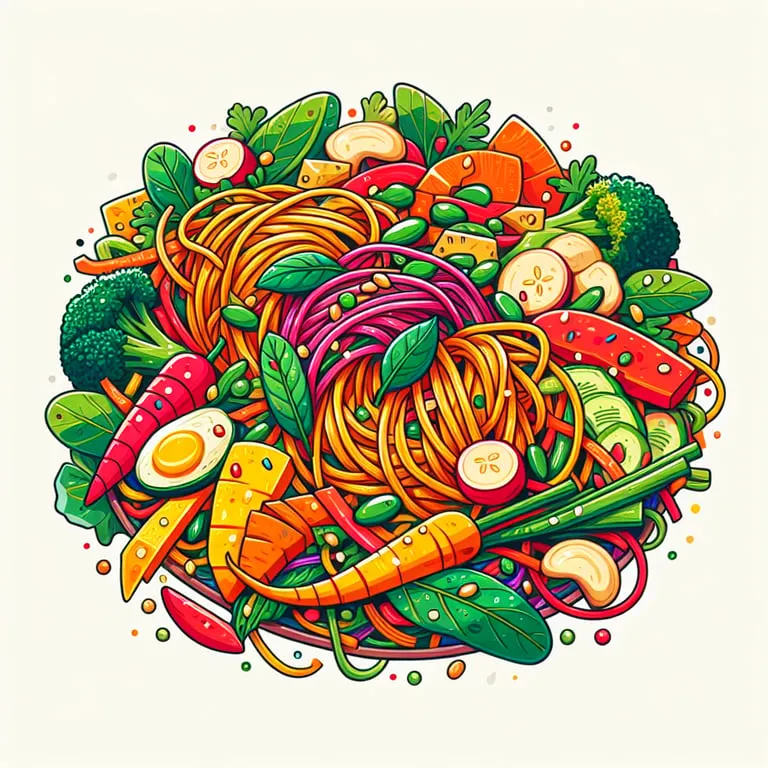
Oh, hello there, fellow food lovers! 👋 It’s fantastic to connect with you today, and I’m just thrilled to share some insights on a dish that truly holds a special place in my heart: Japchae! If you’ve ever had it, you know exactly what I’m talking about – that magical blend of sweet, savory, and wonderfully chewy. For those who haven’t, get ready for an absolute treat. I’ve spent over two decades living between Canada and the US, and let me tell you, Korean food has absolutely exploded in popularity, and Japchae has been a consistent star. It’s more than just a dish; it’s a vibrant, delicious, and incredibly versatile part of Korean culture that I’ve come to adore. So, let’s dive in and explore this timeless classic, shall we?!
What is Japchae? A Culinary Journey Beyond “Mixed Vegetables”
When you hear “Japchae,” which literally translates to “mixed vegetables,” you might picture a simple salad or stir-fry. But trust me, it’s so much more! This iconic Korean dish, famed for its delightful sweet and savory notes, is traditionally made with slippery, chewy sweet potato glass noodles (known as dangmyeon), an assortment of colorful vegetables, and often some protein, all tossed in a light, soy-based sauce. It’s a showstopper, really, whether it’s the centerpiece of a special occasion or a comforting everyday meal. The unique interplay of textures and tastes ensures that Japchae remains a beloved classic year after year, and honestly, its global appeal continues to grow exponentially. According to a 2024 culinary trend report, searches for “healthy Korean dishes” increased by over 20% in North America, with Japchae frequently appearing at the top of the list!
The Royal Roots and Modern Evolution
It’s fascinating to think that Japchae actually started its journey as a royal court dish in Korea. Imagine it being served to kings and queens! Initially, it was a stir-fry primarily composed of various vegetables, much like its literal translation suggests. Over centuries, however, the dish elegantly evolved, eventually incorporating those distinctive glass noodles made from sweet potato starch. This addition transformed it into the glistening, vibrant, and utterly delicious dish we cherish today. The defining features of Japchae are undeniably its glossy appearance, the burst of vibrant colors from all the fresh ingredients, and that perfect, harmonious balance of sweet and savory flavors.
What I love most is its incredible adaptability! You can customize Japchae with meat like thinly sliced beef or chicken, add some delightful seafood, or keep it wonderfully vegetarian or even vegan by simply using tofu or tempeh. It’s typically served at celebrations and holidays, symbolizing abundance and joy, which, let’s be honest, is exactly what a good meal should evoke! The delightful chewiness of the noodles, the perfectly sautéed vegetables, and that subtly sweetened soy sauce all come together for a profoundly satisfying experience. As someone who’s seen Korean cuisine gain massive international recognition, I can tell you that Japchae’s reputation as a healthy and delectable option is well-deserved. It’s a staple in both Korean homes and restaurants, and its sheer simplicity and adaptability make it a culinary marvel.
Mastering the Ingredients: The Heart of Authentic Japchae
Achieving that perfect Japchae really boils down to selecting high-quality ingredients and treating them with a little bit of love. Trust me, after countless batches, I’ve learned that good ingredients are non-negotiable!
The Star: Sweet Potato Noodles (Dangmyeon)
The undisputed star of Japchae is, without a doubt, the sweet potato noodles, or dangmyeon. These aren’t just any noodles; they’re celebrated for their incredible elasticity and delightful chewiness, which are absolutely crucial to the dish’s signature texture. What’s even better? They are naturally gluten-free, making Japchae an excellent option for those with gluten sensitivities. Plus, they provide a good source of complex carbohydrates, giving you sustained energy without the sugar crash. I remember when I first started exploring Korean cooking in my Canadian kitchen, finding these specific noodles felt like a small victory! Now, thankfully, they are widely available in most international supermarkets, which is fantastic for home cooks everywhere.
A Rainbow of Nutrients: The Essential Vegetables
Next up, the gorgeous array of vegetables! Common choices include vibrant carrots, fresh spinach, sweet onions, and earthy mushrooms. These ingredients aren’t just for show; they contribute a fantastic spectrum of colors, essential nutrients, and varied textures to the dish. Think about it: the crunch of the carrots, the tenderness of the spinach, the slight bite of the onions, and the umami richness of the mushrooms. Each plays a vital role! Using fresh, seasonal vegetables is a game-changer; it truly elevates the dish’s overall appeal and nutritional value. For instance, I love adding red bell peppers for extra sweetness and vitamin C, especially in the summer. It makes a huge difference compared to using frozen veggies, though in a pinch, frozen options can work, of course. For 2025, with a heightened focus on nutrient density, incorporating a diverse range of fresh vegetables makes Japchae an even more appealing choice for health-conscious eaters!
The Savory Depth: Proteins and Signature Sauce
While Japchae is often enjoyed solely with vegetables, protein options like thinly sliced beef (bulgogi-style), tender chicken, or firm tofu are frequently included to enrich the dish. These additions not only add flavor but also make it a more substantial meal. But what truly ties everything together is the soy sauce-based marinade. This magical concoction, typically a blend of soy sauce, sugar (often brown sugar or even a touch of honey), and fragrant sesame oil, is what imparts Japchae’s distinct, signature flavor. Garlic and sesame seeds are indispensable for boosting the aroma and adding a wonderfully nutty finish. Sometimes, for an elegant touch, I’ll add optional garnishes like finely chopped green onions or julienned egg strips. It really makes the dish pop visually! Trust me, a good quality soy sauce and a fresh bottle of sesame oil can make or break your Japchae.
Crafting Your Japchae: Process, Customization, and Health
Now, let’s get to the fun part: making it! Don’t be intimidated; the process is quite straightforward once you get the hang of it. And the best part? It’s incredibly forgiving and adaptable.
The Art of Preparation: Cooking Steps for Perfection
The secret to a truly outstanding Japchae lies in meticulous preparation. First, you’ll want to prepare your sweet potato noodles according to the package instructions, usually by boiling them until tender yet still chewy. Overcooking is the enemy here! While the noodles are resting, the real magic begins: sautéing each vegetable and your chosen protein separately. This is a crucial step that many skip, but it’s what ensures each ingredient retains its unique texture and doesn’t get soggy. Imagine biting into a perfectly crisp carrot followed by a tender mushroom! Once everything is cooked, you gently combine the noodles with your pre-mixed soy sauce marinade, ensuring every strand is beautifully coated. Then, in a large pan or wok, you gently toss all the ingredients together over medium heat, allowing the flavors to meld beautifully. Make sure those noodles are thoroughly coated with the sauce for optimal taste! Don’t forget to taste and adjust the seasoning—a little more soy sauce for savoriness or sugar for sweetness might be just what it needs. A final drizzle of sesame oil and a sprinkle of sesame seeds right before serving finishes it off perfectly. Japchae is absolutely best served warm, but it’s surprisingly delicious at room temperature too, making it an ideal potluck dish.
Customizing Your Japchae: Endless Possibilities
This dish is a chameleon in the kitchen, wonderfully adaptable to various dietary needs and personal preferences. For instance, creating a vegan version is a breeze! Simply omit any meat and load up on plant-based proteins like seasoned tofu or even tempeh. If gluten is a concern, just remember to use a certified gluten-free soy sauce, and you’re all set, as the sweet potato noodles themselves are naturally gluten-free. Feeling adventurous? Add a pinch of chili flakes or a spoonful of gochujang for a delightful spicy kick! I often experiment with seasonal vegetables – asparagus in spring or butternut squash in fall – to give my Japchae a unique twist. For those who prefer a sweeter profile, feel free to slightly increase the sugar in the marinade. And here’s a pro tip: leftover Japchae can be brilliantly repurposed into quick stir-fries or even added to soups for a whole new meal. It’s all about personalizing your Japchae by adjusting the ratios of noodles, vegetables, and protein to suit your palate. The possibilities are truly boundless!
Beyond Delicious: Nutrition and Health Benefits
Beyond its incredible taste, Japchae is a nutritional powerhouse, making it an excellent choice for a healthy meal. It’s naturally low in fat and absolutely bursting with vegetables, which means you’re getting a generous dose of vitamins, minerals, and dietary fiber. The sweet potato noodles, as we discussed, are gluten-free and a fantastic source of complex carbohydrates, providing sustained energy. Protein-rich ingredients, whether it’s lean beef, chicken, or plant-based tofu, contribute significantly to muscle maintenance and satiety. What’s more, this dish typically shies away from artificial additives, offering a clean eating experience that aligns perfectly with the health-conscious trends of 2025. The healthy fats from sesame oil and seeds are also beneficial for heart health, supporting overall well-being. Japchae is incredibly suitable for those managing calorie intake while still wanting to enjoy a hearty and fulfilling meal, and it’s truly perfect for replenishing energy and nutrients after any physical activity. It’s a dish that genuinely tastes good and does good for your body!
Serving, Pairing, and Smart Storage for Your Japchae
Once you’ve whipped up a batch of this fantastic dish, you’ll want to know the best ways to enjoy and keep it fresh.
The Perfect Plate: Serving Suggestions and Pairings
Japchae is incredibly versatile when it comes to serving. Traditionally, it’s served as a delightful side dish (banchan) in a Korean meal, but honestly, it’s so substantial and flavorful that it frequently takes center stage as a main course in my home! For a truly authentic Korean dining experience, I highly recommend pairing your Japchae with some fresh kimchi; the fermented kick perfectly complements the sweet and savory noodles. It also wonderfully complements grilled meats like bulgogi (marinated beef) or galbi (short ribs), creating a harmonious spread. For a more filling meal, serving Japchae on a bed of warm steamed rice is an absolute winner. And if you want to add an extra layer of richness and flavor, a perfectly fried egg placed right on top is just divine! Japchae also makes a fantastic addition to party platters and buffets because of its vibrant presentation and crowd-pleasing taste. I often serve it alongside a simple bowl of soup, such as miso or seaweed soup, for a perfectly balanced meal. Its beautiful colors make Japchae a feast for both the eyes and the palate, inviting everyone to dig in!
Keeping It Fresh: Storage and Reheating Tips
So, you’ve made a big batch of Japchae and have leftovers? Excellent! Proper storage is key to enjoying it again. Always store leftover Japchae in an airtight container in the refrigerator, and it will keep beautifully for up to three days. When you’re ready to reheat, the best method is to gently warm it in a pan over medium heat with a small splash of water or a tiny bit of oil. This helps restore some moisture and keeps the noodles from drying out or sticking together, bringing back that lovely chewiness.
Now, here’s a crucial tip I learned the hard way: avoid freezing Japchae! While convenient for many dishes, the delicate sweet potato noodles tend to lose their signature chewy texture and can become mushy once thawed. You definitely don’t want that! Before storing, make sure the dish is completely cooled down to prevent any condensation from forming, which can make things soggy. If you’re planning to enjoy it over several days, separating portions before storing can make reheating much easier and more efficient. For a little refresh, sometimes I’ll even add a few freshly sautéed vegetables to my leftover Japchae to revive its flavor and texture. And, as with any stored food, always give it a quick check for any signs of spoilage before consuming. These simple steps ensure your delicious Japchae stays fresh and enjoyable for longer!
Japchae FAQ
Q: What is the best way to reheat Japchae?
A: Reheat in a pan with a small amount of water or oil over medium heat to maintain its texture and flavor.
Q: Can Japchae be made ahead of time?
A: Yes, Japchae can be prepared ahead of time and stored in an airtight container in the refrigerator for up to three days.
Q: Is Japchae gluten-free?
A: Sweet potato noodles (dangmyeon) are naturally gluten-free. However, always ensure that the soy sauce used is also certified gluten-free for a truly gluten-free dish.
Q: What can I substitute for sweet potato noodles?
A: While sweet potato noodles provide a unique texture, vermicelli or rice noodles can be used as substitutes, though the final texture of the dish will differ slightly.
Q: Can Japchae be served cold?
A: Yes, Japchae can certainly be enjoyed cold or at room temperature, especially in warmer weather, but for optimal flavor and texture, it’s often best served warm.
Q: What is the key to perfect Japchae?
A: The keys to perfect Japchae are balancing the sweet and savory sauce, cooking each ingredient (noodles, vegetables, and protein) separately to retain their individual textures, and then gently tossing everything together to combine flavors without over-mixing.
Q: Can I freeze Japchae?
A: It is generally not recommended to freeze Japchae because the sweet potato noodles tend to lose their desirable chewy texture and can become mushy upon thawing.
Q: Is Japchae vegetarian-friendly?
A: Absolutely! Japchae is incredibly versatile and can easily be made vegetarian or even vegan by simply omitting meat and instead using plant-based proteins like tofu, tempeh, or adding more vegetables.