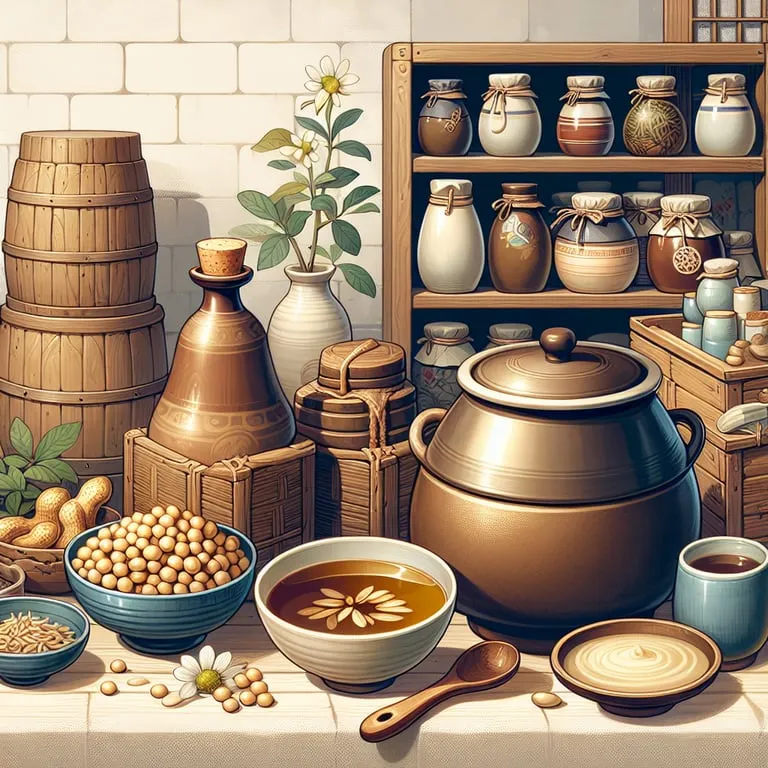
Have you ever tasted a dish that felt so deeply nourishing, it seemed to feed not just your body, but your soul, too? I often felt that way as a child, watching my grandmother tend to her large earthenware jars, the air filled with the earthy, comforting smell of fermenting soybeans. That memory always brings me back to the heart of Korean cuisine: traditional fermented sauces, or jang.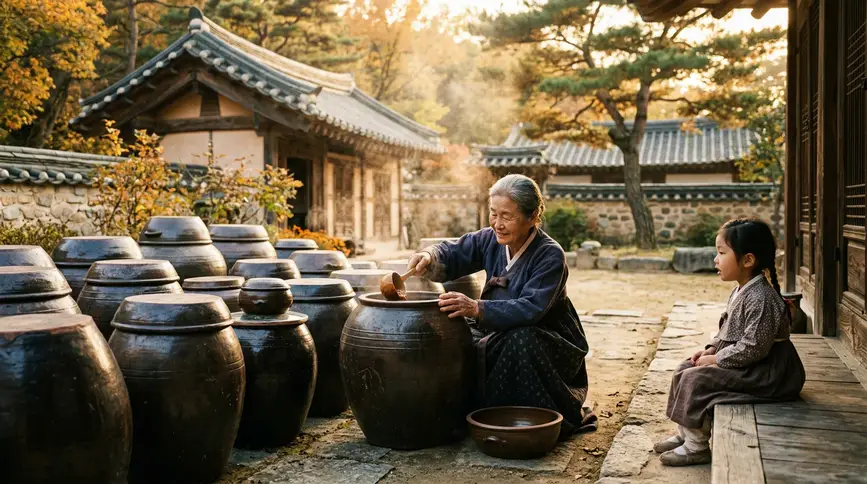
Nowhere is this tradition more profound than in Korean temple cuisine. Here, soy sauce (ganjang) and soybean paste (doenjang) are more than just seasonings; they are the embodiment of a mindful, spiritual practice. Today, I’d love to invite you into this world of deep flavors. Let’s uncover the secrets of temple ganjang and doenjang, explore how they differ from the ones you might know, and maybe even inspire you to bring a little of that soulful taste to your own kitchen table. 😊
Temple Soy Sauce (Ganjang): A Taste Crafted by Time and Devotion
Temple soy sauce is truly a masterpiece of patience. While the basic process is similar to making other traditional soy sauces, the standards in a temple are incredibly strict, turning the entire process into a form of meditation. You could say every single drop holds a philosophy.
The journey begins with the absolute best ingredients. The soybeans are often grown right there on the temple grounds or sourced from trusted local farmers. The salt is just as important; they use cheonilyeom, a natural sea salt that has been aged for years to allow the bitter brine (gansu) to drain away, leaving a clean, mineral-rich saltiness. And of course, only the purest, cleanest water will do.
The process itself is a slow, beautiful dance with nature:
- Boiling the Soybeans: The beans are washed, soaked, and then boiled for hours over a traditional wood fire in a giant cauldron called a gamasot. This slow, gentle heat is key to drawing out the bean’s full, nutty flavor.
- Making Meju: The cooked soybeans are mashed and shaped into large blocks called meju. These blocks are tied with rice straw—which is rich in beneficial bacteria like Bacillus subtilis—and hung in a warm, clean room to ferment. This is a critical stage where the magic really starts to happen, as microorganisms begin to break down the proteins and starches in the beans.
- Aging in Brine: The fermented meju blocks are then placed into large earthenware pots called hangari. A carefully measured saltwater brine is poured over them, and the jars are left in a sunny, breezy spot. For how long, you ask? A minimum of one year, but often for three, five, or even ten years! The sun, the wind, and time all work together to create an incredibly complex flavor.
- Separating and Refining: After the long wait, the beautiful, dark liquid is carefully drained from the pot. This is the ganjang! It’s then boiled one more time to halt fermentation, remove any impurities, and concentrate its magnificent flavor.
The result is a soy sauce unlike any other. It’s incredibly deep and rich, with a gentle sweetness and a profound umami that lingers. It’s not just salty; it’s smooth and complex, making it the perfect seasoning to enhance the natural taste of food without overpowering it.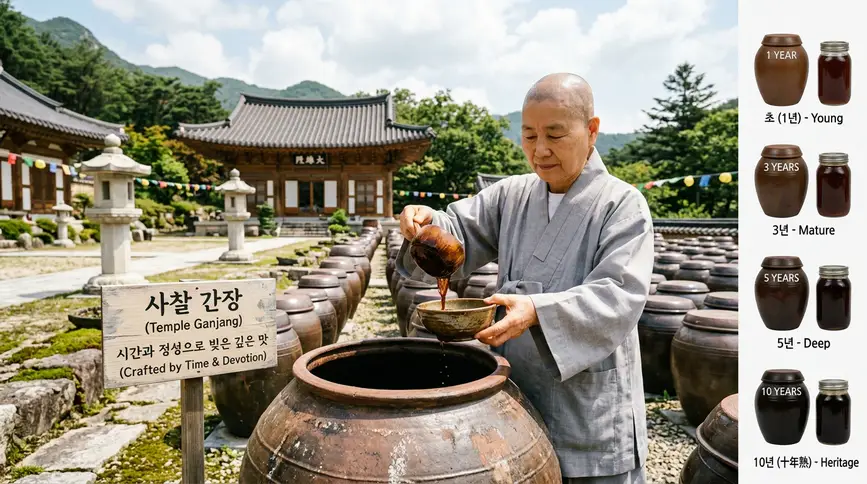
Temple Soybean Paste (Doenjang): The Essence of Natural Fermentation
Now, what about the solids left behind in that pot? That, my friends, is what becomes the incredible temple doenjang! Temple doenjang is the heart and soul of so many Korean dishes, and it’s cherished for its pure, unadulterated flavor, made with nothing but soybeans, salt, and time.
The process for doenjang starts in the very same pot as the soy sauce. The same carefully made meju is aged in the same brine. But after the ganjang is drained away, the softened, funky, and fragrant soybean solids are taken out.
These solids are then mashed and kneaded thoroughly. This step is super important because it helps develop an even deeper flavor and creates a wonderfully smooth, slightly chewy texture. The mashed paste is then packed tightly back into a hangari to age even further, usually for at least another six months to a year. This second aging period allows its savory, nutty flavors to mellow and deepen into something truly special.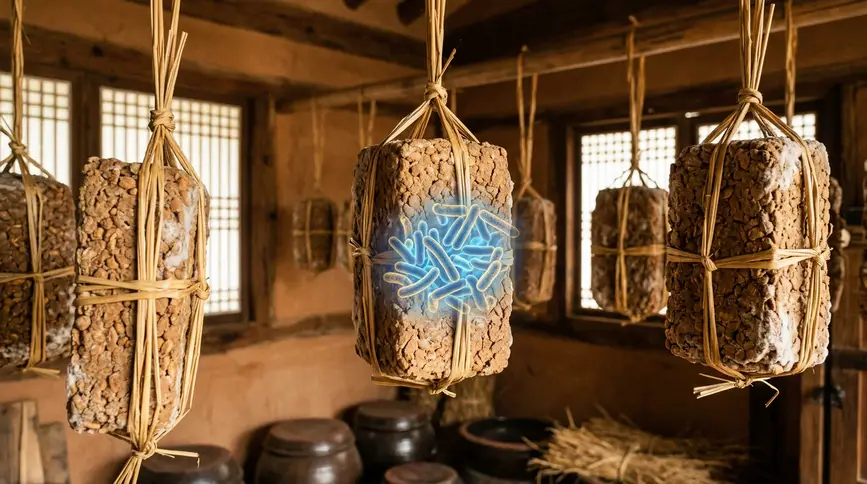
Temple doenjang has a taste that’s hard to describe—it’s profoundly savory and “gusu-hada,” a Korean word for a comforting, nutty, and roasted flavor. It’s less salty and has a more noticeable natural sweetness compared to many commercial soybean pastes. Full of beneficial microbes from its long fermentation, it’s as good for your body as it is for your palate.
Ganjang vs. Doenjang: A Subtle Yet Crucial Difference
So, they both come from the same pot, but they couldn’t be more different! It’s pretty amazing, right? While they share a common origin of fermented soybeans, their final forms, flavors, and uses are distinct.
Here’s a quick breakdown:
| Feature | Soy Sauce (Ganjang) | Soybean Paste (Doenjang) |
|---|---|---|
| Main Ingredients | Soybeans, salt, water | Soybeans, salt, water |
| Process | The liquid drained after aging meju in brine. | The solid meju mashed and aged further after the liquid is drained. |
| Flavor | Deep, rich umami, a subtle sweetness, and clean saltiness. | Deep, savory, “gusu-hada” (nutty) flavor, less salty and more sweet. |
| Primary Use | Seasoning for soups, stews, marinades, and side dishes. | Base for hearty stews, soups, and dipping sauces (ssamjang). |
Think of ganjang as the seasoning that brings out the best in other ingredients with its clean, salty-savory flavor. It’s perfect for a clear vegetable soup or a simple mushroom stir-fry. Doenjang, on the other hand, is often the star player, bringing a hearty, deep, and comforting flavor to dishes like the famous doenjang-jjigae (soybean paste stew).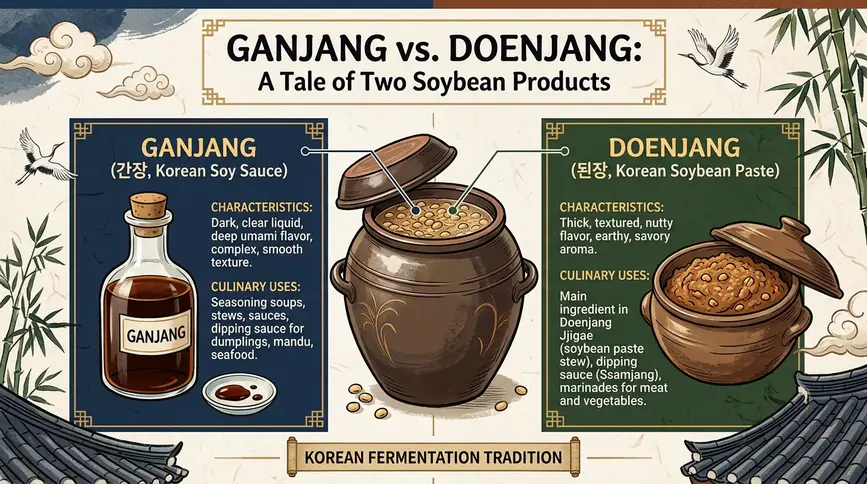
Bringing Temple Flavors Home
The secret to the amazing taste of temple jang isn’t a hidden ingredient; it’s the combination of the best natural ingredients, immense care and sincerity, and the gift of time. It’s a flavor that can’t be rushed.
While making jang that has aged for a decade might be a bit ambitious for most of us, we can still adopt the temple philosophy in our own cooking. Here are a few tips to get a little closer to that incredible taste:
- Choose Quality: Start with the best ingredients you can find. Look for soy sauce and soybean paste made with Korean soybeans and natural sea salt, without any artificial additives or preservatives.
- Embrace Patience: When you’re making a stew, let it simmer gently. Don’t rush it. Allow the flavors to meld and deepen naturally.
- Cook with a Calm Heart: In temple cuisine, cooking is a form of meditation. Try to bring that same sense of calm and presence to your kitchen. Cooking can be a wonderful way to de-stress and create something beautiful!
Traditional jang is such a precious part of our food culture, and the temple-style versions remind us that food can be a truly mindful and healing experience. I hope you feel inspired to explore these deep, soulful flavors and bring a little more peace and nourishment to your table. Happy cooking! ✨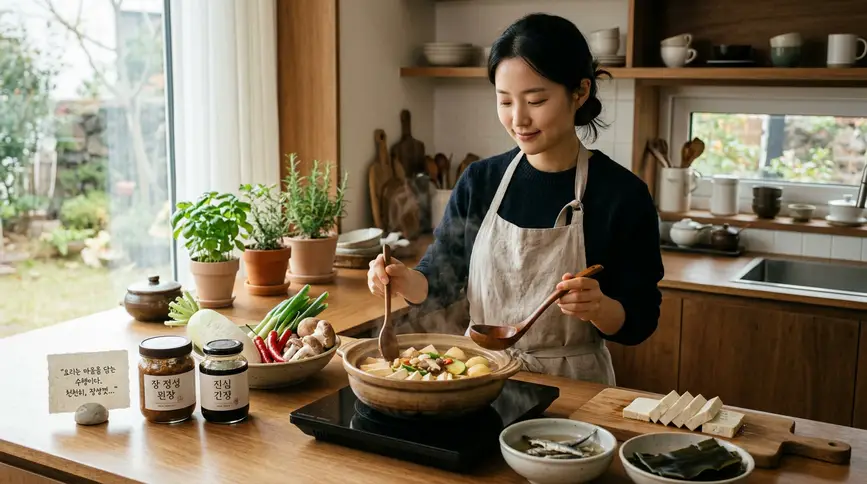
Frequently Asked Questions (FAQ)
Q1. What is the biggest difference between temple soy sauce and regular store-bought soy sauce?
A1. The primary differences are in the ingredients and process. Temple soy sauce uses only the highest quality, traditionally sourced soybeans and aged sea salt. It’s naturally fermented for at least a year with no artificial additives, resulting in a deeper, more complex, and less salty flavor compared to many mass-produced soy sauces which are often chemically processed and made much faster.
Q2. What dishes are best for using temple doenjang?
A2. Temple doenjang shines in simple, hearty dishes where its flavor can be the star. It’s perfect for traditional stews like doenjang-jjigae (soybean paste stew) or soups like sigeumchi-doenjang-guk (spinach soybean paste soup). It also makes a fantastic base for a ssamjang dipping sauce to enjoy with fresh vegetables.
Q3. Any tips for making a temple-style doenjang-jjigae at home?
A3. Absolutely! Start with a simple, clean broth made from kelp (dashima) and vegetables like mushrooms and radishes. Use a generous amount of good-quality temple doenjang and let it simmer gently. Add simple ingredients like tofu, potatoes, and zucchini to let the doenjang’s flavor come through. Avoid adding too many other strong seasonings.
Q4. What is the most important aspect of making jang in a temple?
A4. Temples prioritize three things above all else: cleanliness, sincerity (jeongseong), and time. The entire process is done with a mindful and pure heart in a pristine environment, and they respect the natural time it takes for fermentation to work its magic.
Q5. Are there specific health benefits to temple soy sauce and doenjang?
A5. Yes! Because they are naturally fermented for a long time, they are rich in beneficial probiotics, which are great for gut health. They also contain antioxidants and isoflavones from the soybeans, which can contribute to overall wellness and a stronger immune system.
Q6. What should I look for when buying temple-style soy sauce or doenjang?
A6. Check the ingredient list. It should be very simple: domestic (Korean) soybeans, sea salt, and water. Avoid products with preservatives, artificial flavorings, or corn syrup. Look for labels that mention “traditional” or “naturally fermented” methods.
Q7. Why is most temple food vegetarian or vegan?
A7. Temple cuisine is based on Buddhist principles of non-violence and compassion for all living beings. Therefore, it excludes all meat and fish. It also avoids five pungent vegetables (onion, garlic, chives, leeks, and scallions), called oshinchae, as they are believed to hinder spiritual practice.
Q8. Can I visit a temple to experience temple food?
A8. Yes, many temples in Korea offer “Templestay” programs where you can stay at the temple, participate in monastic life, and experience authentic temple food firsthand. Some also offer temple food cooking classes.
Q9. What’s the main difference between Korean ganjang and Japanese shoyu?
A9. Traditionally, Korean ganjang is made only from soybeans, salt, and water. Japanese shoyu is typically made by fermenting soybeans and wheat, which gives it a slightly sweeter and more aromatic profile. The production methods are also quite different.
Q10. How should I store traditional, preservative-free jang?
A10. It’s best to store them in a cool, dark place like a pantry or refrigerator. Because they are “alive” with beneficial microbes, their flavor can continue to develop. Keeping them cool slows this process. Always use a clean spoon to scoop them out to prevent contamination.
Q11. Can I make jang at home without the large earthenware pots (hangari)?
A11. Yes, you can! While hangari are ideal because they are porous and breathe, you can achieve good results using large, food-grade glass jars. Just make sure to cover the top with a breathable cloth to allow for air exchange while keeping pests out.
Q12. Is all temple food vegan?
A12. The vast majority of Korean temple food is vegan, as it excludes meat, poultry, fish, and dairy. However, a very small number of recipes in certain traditions might include honey, so it’s always good to ask if you are a strict vegan.
Q13. Why is aged sea salt so important? Can I use regular table salt?
A13. Aged sea salt (cheonilyeom) is crucial because the aging process allows the bitter-tasting magnesium chloride, or gansu, to drip away. This results in a cleaner, milder saltiness that is rich in minerals. Regular table salt often contains anti-caking agents and has a harsher, one-dimensional saltiness that wouldn’t work for creating the deep flavor of traditional jang.
Q14. What does the word “gusu-hada” mean when describing doenjang?
A14. “Gusu-hada” (고소하다) is a unique Korean sensory word that doesn’t have a perfect English equivalent. It describes a pleasant, savory, nutty, and slightly roasted flavor and aroma. Think of the smell of toasted sesame seeds or freshly roasted nuts—that’s the essence of “gusu-hada.”
Q15. Are there different types of temple soy sauce based on age?
A15. Yes! Just like fine wine, soy sauce is often categorized by its age. A younger soy sauce (1-2 years) is lighter and used for soups. A medium-aged one (3-5 years) is a great all-purpose soy sauce. A very old soy sauce (5+ years), called ganjang geomeo, is very dark, thick, and complex, used almost like a finishing sauce or for medicinal purposes.
Q16. I bought some temple doenjang and it’s much darker than the store-bought kind. Is that normal?
A16. Absolutely. Traditional doenjang gets darker over time as it ages and ferments, a process of oxidation and the Maillard reaction. This darkness is a sign of a deep, well-developed flavor. Lighter-colored commercial doenjang may have been made using a faster process or contain additives to maintain its color.
Q17. Can doenjang be eaten raw?
A17. Yes, it can! It’s often mixed with other ingredients like sesame oil, garlic, and a little sweetener to make ssamjang (a wrap sauce) and eaten raw with vegetables and grilled foods.
Q18. What is ssamjang? How is it different from doenjang?
A18. Ssamjang is a dipping sauce, not a primary ingredient. While doenjang is the base, ssamjang is a mixture that also includes gochujang (chili paste), sesame oil, garlic, and sometimes onion and sugar. It’s specifically designed to be eaten with ssam (lettuce wraps).
Q19. Do temple soy sauce and doenjang contain gluten?
A19. Traditionally made Korean soy sauce and doenjang are gluten-free, as they are made only with soybeans. However, some modern, mass-produced versions (especially a type called wae-ganjang) may add wheat or other grains, so it’s always crucial to check the label if you have a gluten sensitivity.
Q20. What’s the best way for a beginner to start cooking with these ingredients?
A20. Start simple! Try using temple soy sauce to season a simple vegetable stir-fry or make a dipping sauce for tofu. For doenjang, try making a simple soup by dissolving a spoonful in water with some tofu and mushrooms. This will allow you to really taste and appreciate their unique, deep flavors without distraction.
🌿 Korean Temple Food Complete Guide Series
Embrace the art of mindful eating with our curated guide series! Bookmark this section and explore these essential resources to deeply understand the philosophy, ingredients, and healing recipes of Korean temple cooking.
-
- • Comprehensive Guide (Hub):
Korean Temple Food: A Beginner’s Guide to Mindful Eating
- • Comprehensive Guide (Hub):

Written by WhatIneed.kr
Having lived in South Korea, the US, and Canada, I love experiencing and exploring diverse cultures and dietary habits. As a dedicated food guide, I explore the rich traditions of Korean cuisine, specializing in authentic home cooking, traditional fermentation, and peaceful Korean temple food.