In the world of international gastronomy, few ingredients carry the weight of an entire nation’s history, soul, and palate as profoundly as Gochujang. Often described as a “Korean chili paste,” this definition barely scratches the surface of what is truly a complex, fermented masterpiece. For those who have navigated the diverse culinary landscapes across North America and beyond, finding that perfect balance of heat, sweetness, and depth is a quest that often leads back to the vibrant red earthenware jars of the Korean peninsula. Gochujang is not merely a condiment; it is the “red heart” of Korean fermentation, a living, breathing testament to the “art of waiting” that defines Korean food culture.
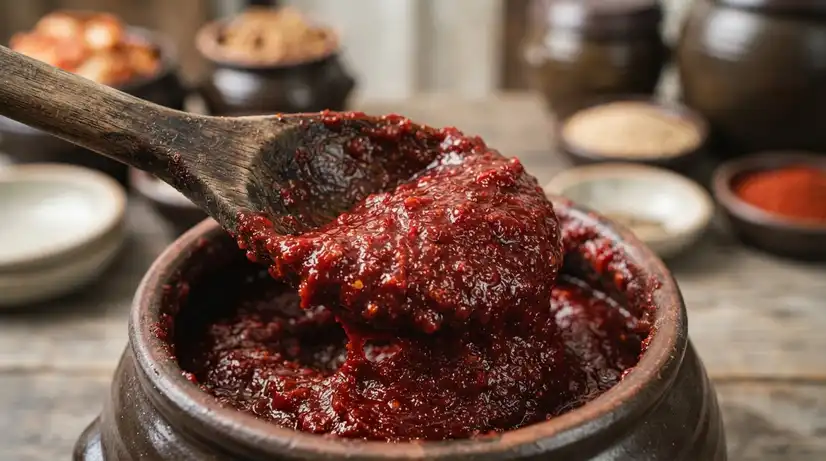
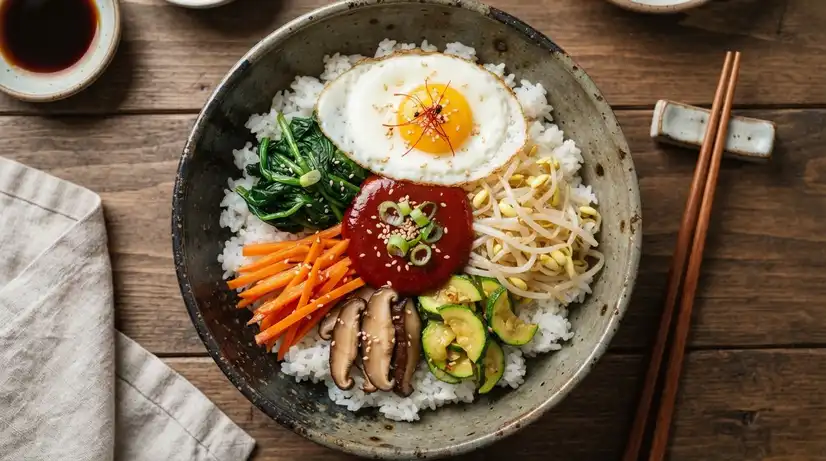
Unlike the sharp, vinegar-forward sting of a Tabasco or the straightforward garlic-chili punch of Sriracha, Gochujang offers a symphonic experience. It is thick, viscous, and deeply savory—a result of months, sometimes years, of microbial activity under the sun. It is the secret behind the addictive glaze on Korean fried chicken, the grounding depth of a spicy beef stew, and the essential binding force of a perfect bowl of Bibimbap. In this comprehensive exploration, we will dive deep into the origins, the meticulous craftsmanship, and the global cultural impact of this crimson treasure.
The Alchemy of Ingredients: More Than Just Chili
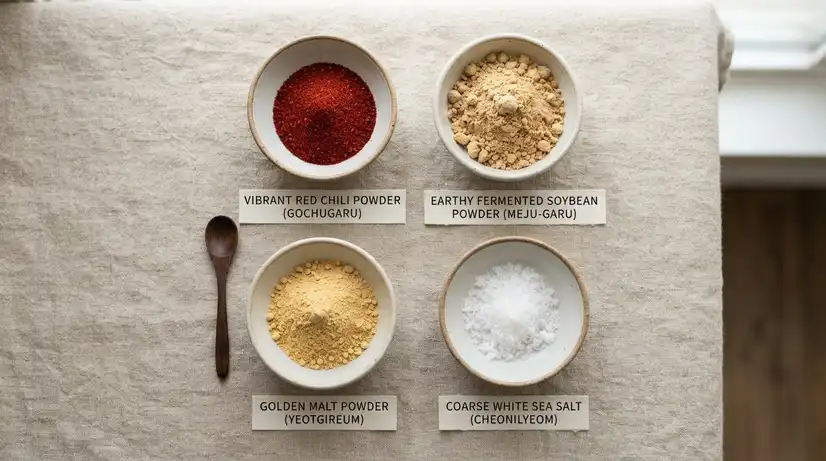
To understand Gochujang, one must first understand its components. It is a harmonious marriage of four distinct profiles: the heat of chili, the sweetness of grain, the savory umami of fermented soybeans, and the preservative power of salt. Unlike many Western sauces that rely on sugar or high-fructose corn syrup for sweetness, authentic Gochujang derives its subtle sugar profile through the natural process of saccharification.
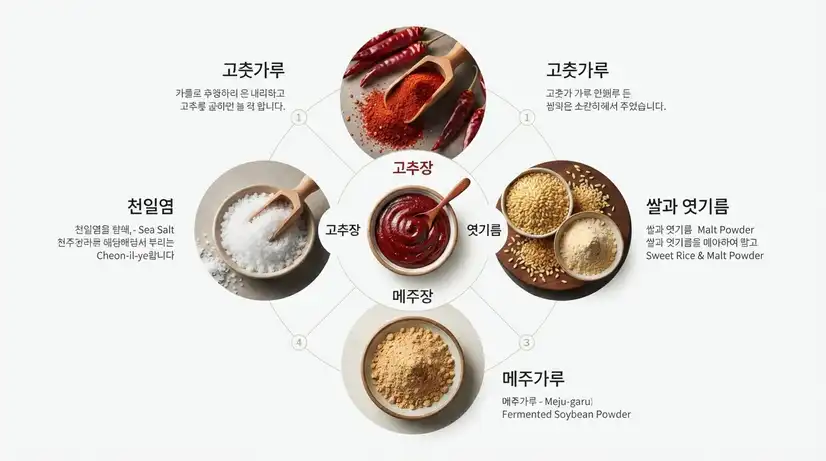
The process begins with a starch source—usually glutinous rice (chapssal), though barley, wheat, or non-glutinous rice are also used depending on the desired outcome. This starch is mixed with powdered malt (yeotgireum) and water, then heated. During this stage, enzymes in the malt break down the complex starches into simple sugars, creating a naturally sweet liquid base. To this sweet foundation, three critical ingredients are added: finely ground sun-dried red chili powder (gochugaru), powdered fermented soybean bricks (meju-garu), and sea salt.
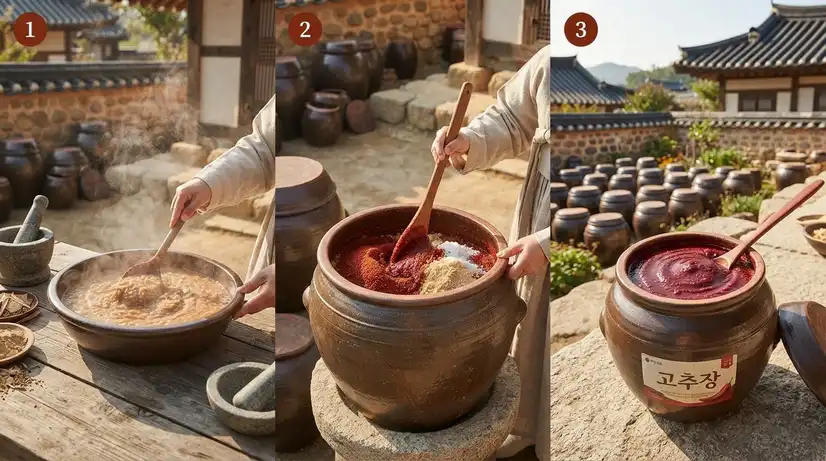
The fermented soybean powder is what separates Gochujang from being just a “hot sauce.” It introduces a deep, fermented umami that lingers on the tongue, similar to the depth found in a well-aged miso or a rich balsamic vinegar, but with a uniquely Korean character. The salt regulates the fermentation, ensuring that only the “good” microbes—the lactic acid bacteria and beneficial yeasts—flourish while preventing spoilage.
The Art of the Onggi: Why the Container Matters
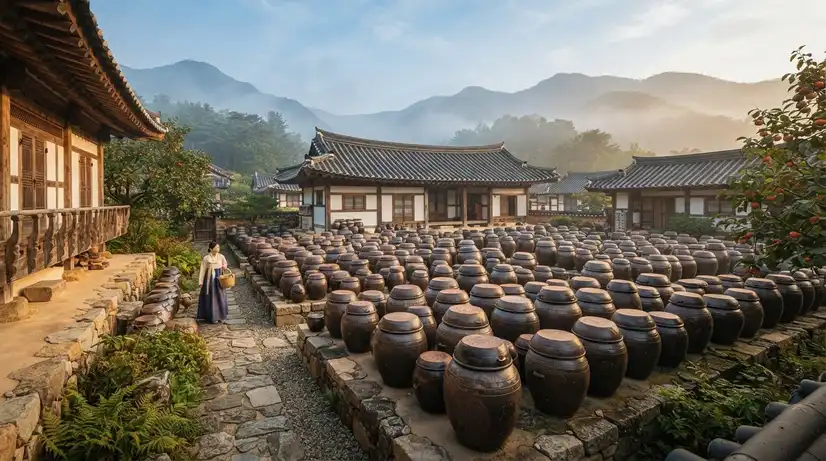
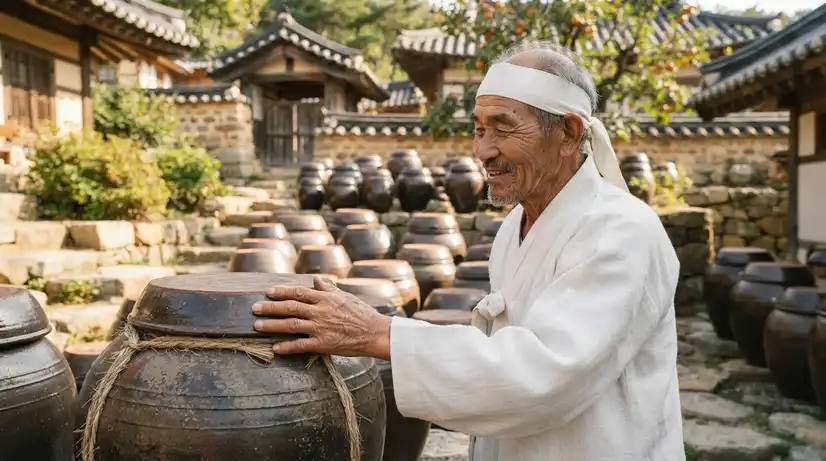
One cannot discuss Korean fermentation without mentioning the Onggi. These traditional earthenware jars are often called “breathing pottery.” Made from natural clay and glazed with wood ash, the walls of an Onggi are porous on a microscopic level. This allows oxygen to circulate and moisture to escape slowly, creating the perfect aerobic environment for fermentation.
When Gochujang is placed in an Onggi and left outdoors on a “Jangdokdae” (a stone terrace designed for jars), it interacts with the local terroir. It breathes in the mountain air, absorbs the minerals from the sea breeze, and reacts to the changing seasons. The intense heat of the Korean summer accelerates the breakdown of proteins into amino acids, while the freezing winter slows the process, allowing the flavors to mellow and integrate. This cycle of expansion and contraction, heating and cooling, is what creates the “mother taste” that factory-produced versions simply cannot replicate.
A Royal Legacy: The History of the Red Paste
While chili peppers are now synonymous with Korean cuisine, they were not indigenous to the peninsula. They were introduced in the late 16th century via trade routes, likely through Japan or China after the Columbian Exchange. However, the Korean genius for fermentation was already well-established through “Jang” (soybean-based sauces) like Ganjang and Doenjang.
By the late 17th and early 18th centuries, the integration of chili into the existing fermentation techniques was complete. The first detailed written record of Gochujang manufacturing appears in the 1720s in a book titled Somun Saseol by Yi Si-pil, a royal physician. It even highlighted the Gochujang from Sunchang as a particularly high-quality variety.
Historically, Gochujang was a luxury. In the Joseon Dynasty, it was a staple in the royal palace. King Yeongjo, one of Korea’s longest-reigning monarchs, was famously fond of Gochujang. Records suggest that he found it particularly appetizing and that it helped maintain his health and appetite even into his late 80s—a remarkable feat for the 18th century. For the King, Gochujang was not just food; it was medicinal, aiding digestion and providing warmth to the body’s internal systems.
Sunchang: The Foggy Mecca of Fermentation
If you ask any Korean where the best Gochujang comes from, the answer is invariably “Sunchang.” Located in the North Jeolla Province, Sunchang is the spiritual and literal home of traditional Gochujang. But why Sunchang? The answer lies in the unique micro-climate of the region.
Sunchang sits in a basin surrounded by mountains, which creates frequent fog and high humidity. This specific atmospheric condition is the ultimate playground for Aspergillus oryzae, the beneficial mold essential for fermenting soybeans. The stable temperatures and high moisture levels allow the fermentation to proceed more slowly and evenly than in other regions, resulting in a paste that is exceptionally smooth, deep in color, and balanced in its sweet-and-spicy profile.
Today, the Sunchang Traditional Gochujang Village serves as a living museum. Here, designated “Grandmasters” of fermentation continue to use methods passed down through generations. They use locally grown chilies, mountain spring water, and the wisdom of their ancestors to produce jars of “red gold” that are sought after by chefs worldwide.
A Spectrum of Flavors: Varieties and Culinary Applications
Not all Gochujang is created equal. Depending on the base starch and the intended use, the flavor profile can shift dramatically. Understanding these nuances is key to mastering Korean cooking or integrating the paste into global fusion dishes.
| Type | Base Ingredient | Characteristics | Best Used For |
|---|---|---|---|
| Glutinous Rice (Chapssal) | Sticky Rice | Very glossy, sweet, and thick texture. | Marinades, stir-fries, and as a dipping sauce. |
| Barley (Bori) | Barley Grain | Savory, earthy, and less sweet. | Ssamjang (wrap sauce) and Bibimbap. |
| Wheat (Mil) | Wheat Flour | Tangy, quick-aging, very umami-rich. | Street foods like Tteokbokki or spicy stews. |
| Non-glutinous Rice | Regular Rice | Clean, sharp, and less viscous. | Clear soups or light seasoned vegetables. |
Beyond these traditional types, Gochujang is incredibly versatile. In a modern North American kitchen, it can be used to elevate a Bolognese sauce, add a kick to a classic BBQ glaze, or even be whisked into a spicy mayo for burgers. Its ability to provide “depth” where other hot sauces only provide “heat” makes it a favorite among professional chefs who seek to build layers of flavor.
The Science of Health: A Fermented Superfood
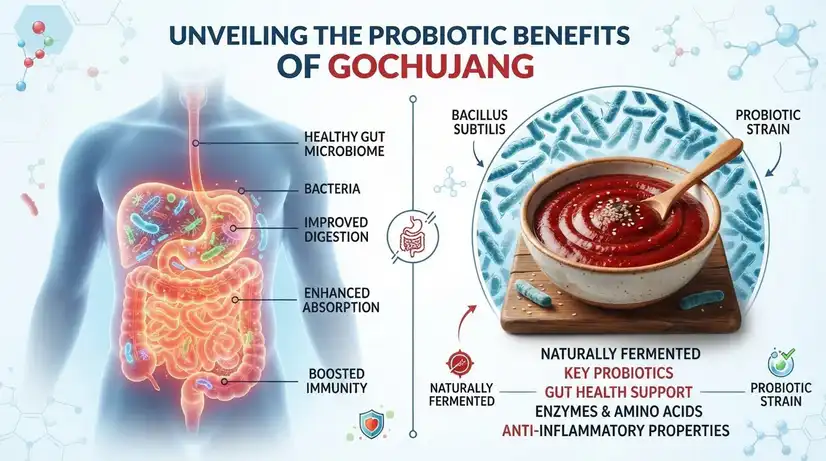
In an era where gut health and probiotics are at the forefront of wellness, Gochujang stands out as a functional food. The fermentation process does more than just develop flavor; it transforms the raw ingredients into a nutritional powerhouse.
- Probiotic Benefits: Like yogurt or kimchi, traditionally fermented Gochujang is rich in Bacillus subtilis, a hardy probiotic that survives the journey through the stomach to support a healthy gut microbiome.
- Metabolism Boost: The capsaicin from the red chili peppers is known to stimulate the metabolism and assist in fat oxidation. Studies have suggested that regular consumption of fermented chili paste can help in weight management.
- Digestive Aid: The enzymes produced during the saccharification and fermentation processes (amylase and protease) help the body break down carbohydrates and proteins, which is why a spoonful of Gochujang is often served with heavy meat dishes or dense rice bowls.
- Nutrient Density: It is packed with Vitamins A, C, and B2, along with essential minerals. The fermentation process actually increases the bioavailability of these nutrients, making them easier for the body to absorb.
Global Fusion: Gochujang in the Modern Kitchen
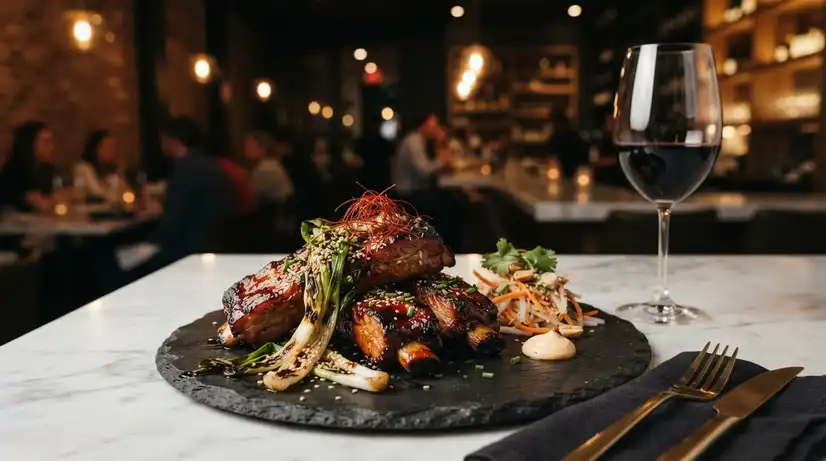
The journey of Gochujang from a royal palace in Korea to a trendy bistro in New York or London is a fascinating study in cultural exchange. As people move away from “one-note” spicy sauces, the multi-dimensional nature of Gochujang has made it a staple in the global pantry.
Imagine a slow-roasted brisket rubbed with a mixture of Gochujang, brown sugar, and garlic. The paste carmelizes under the heat, creating a bark that is both spicy and deeply savory. Or consider a Gochujang-infused vinaigrette drizzled over a kale and roasted sweet potato salad—the acidity of the vinegar cuts through the richness of the paste, while the heat provides a lingering warmth.
This versatility is why Gochujang has successfully transitioned from “ethnic food” to a “global essential.” It speaks a universal language of flavor. Whether you are a home cook experimenting with fusion flavors or a traditionalist seeking the authentic taste of Sunchang, this red heart of Korean fermentation offers an endless world of culinary possibility.
The Enduring Legacy of the Red Paste
As we look toward the future of food, ingredients like Gochujang remind us that some things cannot be rushed. In a world of instant gratification, the 300-day journey of a single jar of Gochujang—from the first malted rice to the final aged paste—is a beautiful anomaly. It is a reminder that flavor is a product of time, environment, and tradition.
Gochujang is more than just a trend; it is a legacy. It carries the wisdom of the Korean grandmothers who meticulously cleaned their Onggi jars every morning and the foresight of the royal physicians who recognized its healing properties. It is a bridge between the past and the present, and between Korea and the rest of the world. So, the next time you see that vibrant red tub or jar, remember that you are holding the heart of a culture—one that is spicy, sweet, and incredibly deep.
FAQ
Q: Is all Gochujang gluten-free?
A: Not necessarily. Traditional Gochujang made with glutinous rice is naturally gluten-free. However, many commercial varieties use wheat flour or barley as a thickener and base. If you have a gluten sensitivity, always check the label for “wheat” or “barley” and look for versions made specifically with 100% rice.
Q: How long does Gochujang last once opened?
A: Because of its high salt content and the fermentation process, Gochujang has a very long shelf life. Once opened, it should be stored in the refrigerator to maintain its color and flavor. It can typically last for 1 to 2 years, though it may darken in color over time, which is a natural oxidation process and does not mean it has spoiled.
Q: Can I use Gochugaru (chili flakes) as a substitute for Gochujang?
A: No, they are very different. Gochugaru is simply dried chili flakes, providing heat and color. Gochujang is a fermented paste that includes salt, grain, and soybeans, providing umami and sweetness. If a recipe calls for Gochujang, substituting with flakes will result in a dish that lacks depth and the characteristic thick texture.
Q: Why does my Gochujang sometimes have a white film on top?
A: If you are using traditionally made, unpasteurized Gochujang, a white film (often called “flower of salt” or beneficial yeast) can occasionally form. This is usually harmless and can be scraped off. However, if it looks fuzzy or has a dark color (green/black), it may be mold due to moisture contamination, and the product should be discarded.
Q: Is Gochujang vegan-friendly?
A: Most traditional and commercial Gochujang is vegan, as the primary ingredients are grains, chilies, soybeans, and salt. However, some specialized versions (like “Beef Gochujang”) contain minced meat or seafood extracts for extra flavor. Always check the ingredient list if you follow a strict vegan diet.
Q: How spicy is Gochujang compared to other hot sauces?
A: On the heat scale, most Gochujang is considered moderate. While it has a kick, the sweetness of the fermented grains and the savoriness of the soybeans mellow the heat significantly. Most commercial brands have a “heat level” indicator on the packaging ranging from 1 (mild) to 5 (extremely spicy).
Q: Can Gochujang be eaten raw?
A: Yes, Gochujang is perfectly safe to eat raw. In Korea, it is frequently used as a raw dipping sauce for fresh vegetables like cucumbers, carrots, and peppers. Its flavors are fully developed during the long fermentation process before it ever reaches your table.
Q: What is the difference between “Traditional” and “Commercial” Gochujang?
A: Traditional Gochujang is fermented naturally in Onggi jars for months, using only natural ingredients. Commercial Gochujang is often produced in factories using accelerated fermentation methods and may contain additives like corn syrup, preservatives, or artificial flavorings to ensure consistency and a lower price point.
Q: Why is Sunchang Gochujang so famous?
A: Sunchang is famous because of its specific climate—high humidity and frequent fog—which provides the ideal environment for the beneficial bacteria needed for fermentation. The region also has a long history of supplying Gochujang to the royal palace, cementing its reputation as the gold standard.
Q: How can I reduce the spiciness of Gochujang in a dish?
A: If a dish is too spicy, you can balance the heat of the Gochujang by adding more sweetness (honey or sugar), acidity (vinegar or lime juice), or fat (sesame oil or cream). In fusion cooking, adding dairy like cheese or cream is a very effective way to mellow out the fermented heat.

Written by WhatIneed.kr
Having lived in South Korea, the US, and Canada, I love experiencing and exploring diverse cultures and dietary habits. As a dedicated food guide, I explore the rich traditions of Korean cuisine, specializing in authentic home cooking, traditional fermentation, and peaceful Korean temple food.