Eggplants are one of those vegetables that people either absolutely adore or steer clear of due to their unique texture. However, if you have only ever encountered the large, bulbous globe eggplants typically found in North American supermarkets, you are missing out on an entirely different world of culinary delight. In the realm of Asian cuisine, specifically Korean cooking, the eggplant—or gaji—is a slender, delicate, and versatile jewel that deserves a permanent spot in your crisper drawer.
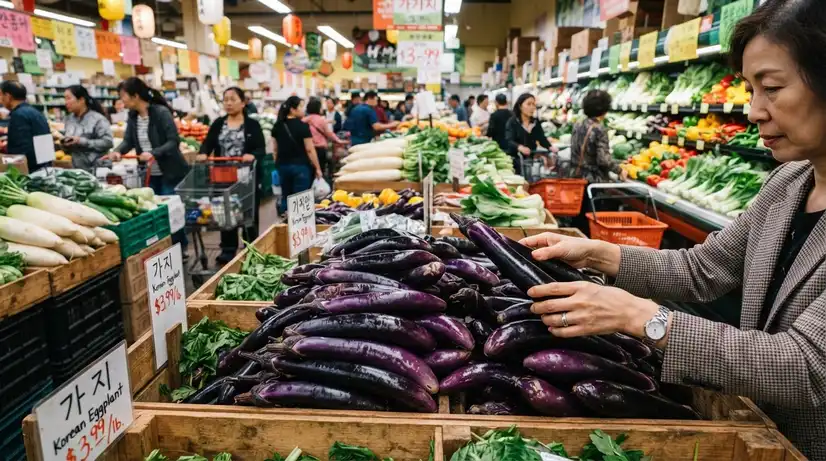
Whether you are browsing the aisles of a local H-Mart or visiting a traditional open-air market, the vibrant, deep purple hue of Korean eggplants is hard to miss. But the difference between these and their Western counterparts goes far deeper than just their shape. From their nutritional profile to the way they transform under heat, understanding the Korean eggplant is the first step toward mastering some of the most comforting and healthy side dishes (banchan) in the Korean repertoire.
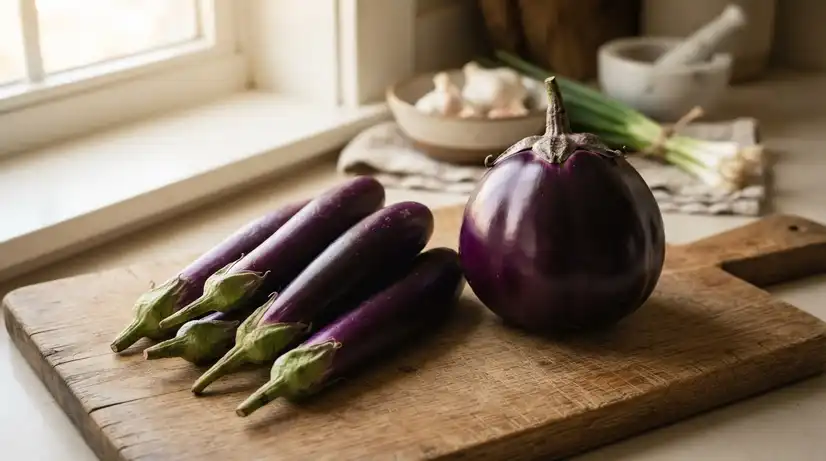
The Tale of Two Eggplants: Korean vs. Western
When you walk into a standard grocery store in the U.S. or Canada, the eggplant you see is most likely the “Globe” or “American” variety. It is heavy, thick-skinned, and roughly the size of a small melon. While wonderful for hearty dishes like Eggplant Parmigiano or Moussaka, it can be a bit intimidating for quick weeknight cooking.
The Korean eggplant, however, is a different breed entirely. It is long, slender, and much more elegant. Its skin is remarkably thin, and the flesh inside is tender with very few seeds. This structural difference fundamentally changes how it behaves in the pan or steamer.
The name “Eggplant” itself actually comes from the 18th-century European cultivars which were small, white, and looked remarkably like goose eggs hanging from a bush. While the West kept the name but shifted toward the large purple variety, Korea maintained a focus on the slender gaji. The Korean variety is more closely related to Chinese and Japanese eggplants, which are prized for their “melt-in-your-mouth” quality. Because the skin is so thin, you never have to peel a Korean eggplant, which means you get to keep all those incredible nutrients concentrated in the purple pigment.
The Power of Purple: Anthocyanin and Nutritional Benefits
One of the most compelling reasons to incorporate more Korean eggplant into your diet is its status as a “purple superfood.” That striking violet color isn’t just for show; it is a visual indicator of a powerful antioxidant called Anthocyanin, specifically a type known as nasunin.
In my years of exploring global health trends and lifestyle shifts, the emphasis on “eating the rainbow” has never been more relevant. Anthocyanins are known for their ability to combat oxidative stress in the body, which helps in preventing cellular damage and slowing down the aging process. Furthermore, these compounds are linked to improved cardiovascular health and can even help protect your vision by reducing eye fatigue—a common ailment in our screen-saturated world.
Beyond its antioxidant properties, the Korean eggplant is a dream for those looking for low-carb and low-calorie options. Since it is composed of over 90% water, it is incredibly hydrating. A 100g serving contains only about 17 to 20 calories, making it a staple for anyone following a ketogenic or low-carb lifestyle. It provides a satisfying “bulk” to meals without the heavy carbohydrate load of potatoes or grains. It’s also a natural anti-inflammatory, making it a gentle and healing food for the body.
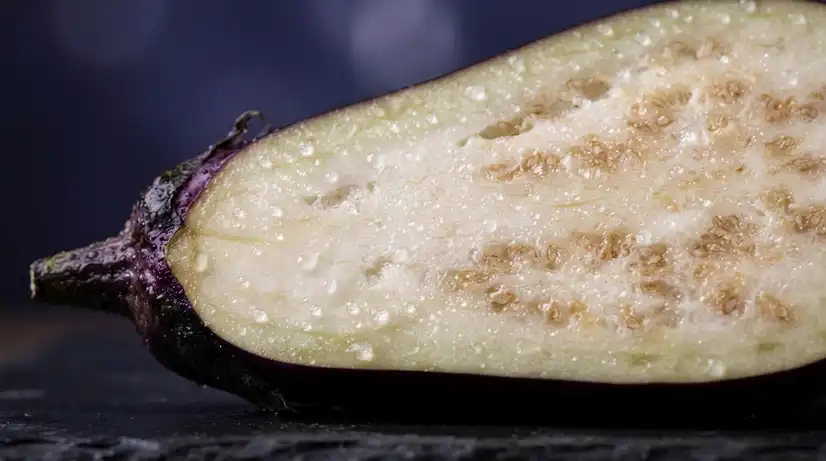
Master the Art of Soft Eggplant: Gaji-muchim
If there is one dish that defines the Korean eggplant experience, it is Gaji-muchim. This is a classic “steamed and seasoned” side dish that highlights the vegetable’s naturally soft and silky texture. In many households, this is the ultimate comfort food—a simple, earthy, and umami-rich accompaniment to a warm bowl of purple rice.
The secret to a perfect Gaji-muchim lies in the steaming process. Traditional methods involve steaming the eggplant in a dedicated steamer basket, but for the modern, busy home cook, the microwave is a game-changer. The goal is to get the eggplant to a point where it is tender enough to be torn by hand but still holds its vibrant color.
Tearing the eggplant by hand into long strips—rather than cutting it with a knife—is a traditional technique that actually serves a culinary purpose. The jagged edges created by tearing allow the dressing of soy sauce, garlic, sesame oil, and toasted sesame seeds to cling more effectively to the fibers, ensuring every bite is packed with flavor.
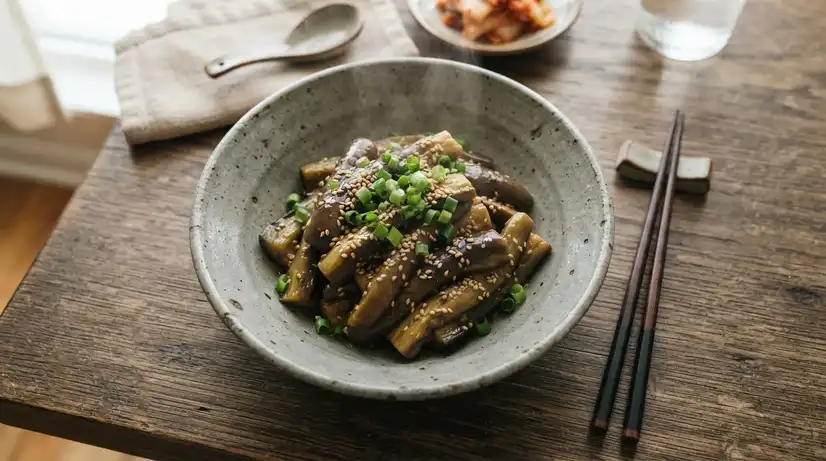
Quick Stir-Fry: The Weeknight Savior
While steaming is the traditional path, stir-frying is the modern favorite. A quick 굴소스 가지볶음 (Oyster Sauce Eggplant Stir-fry) is perhaps the most popular way to enjoy this vegetable when you want something savory and satisfying in under ten minutes.
The challenge with stir-frying eggplant is its sponge-like nature. If you’ve ever cooked eggplant, you know it can soak up oil faster than a dry towel. To master the quick stir-fry, the key is high heat and timing. By using a splash of oyster sauce and a touch of sweetness (like allulose or oligosaccharide), you create a beautiful glaze that coats the eggplant without it becoming greasy.
Adding aromatics like sliced garlic and green onions into the oil first creates a “scented oil” base that elevates the entire dish. The result is a savory, slightly sweet, and salty banchan that pairs perfectly with almost any protein, from grilled steak to simple fried tofu.
Healthy Low-Carb Banchan: The Grilled Approach
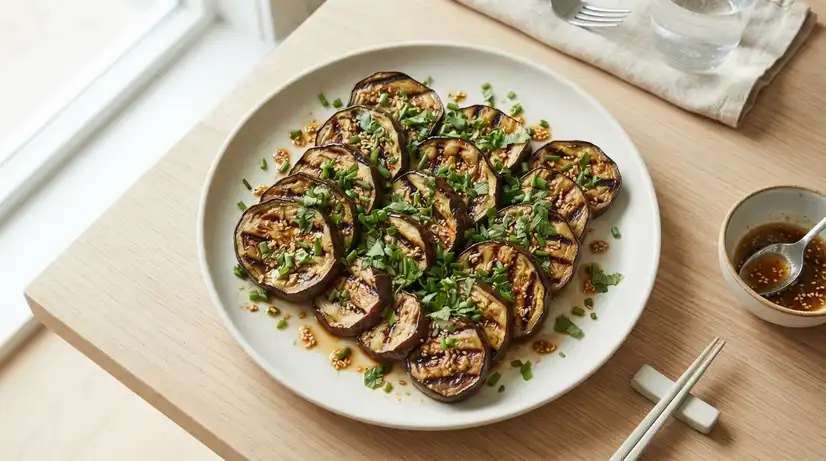
For those who want to keep things even lighter, the Grilled Eggplant Salad is a fantastic choice. Instead of using a lot of oil or steam, you simply roast or pan-grill thick slices of eggplant until they are charred and smoky.
This method brings out the natural sweetness of the vegetable. Once cooled, you toss the grilled slices in a light dressing made of soy sauce, vinegar, and a hint of garlic. The acidity of the vinegar cuts through the richness of the eggplant, creating a refreshing and healthy side dish that is perfect for meal prepping. This is an ideal low-carb banchan that stays delicious even after a day or two in the refrigerator.
Conclusion: Embracing the Versatility of Gaji
The Korean eggplant is more than just a side dish; it is a testament to how a simple ingredient can be transformed through different techniques—steaming for softness, stir-frying for savory depth, and grilling for smoky sweetness. Whether you are looking to boost your antioxidant intake or simply want to try a new low-carb vegetable, the gaji is a rewarding choice.
Next time you visit the market, don’t be intimidated by these slender purple beauties. Pick up a bunch, try one of the recipes mentioned above, and experience for yourself why this humble vegetable has been a cornerstone of Korean health and culinary tradition for generations.
💡 Curious about Korean Temple Cuisine?
Discover the ultimate guide to easy, soul-soothing vegan recipes for your daily life.
Go check this out ↗
FAQ
Q: Can I use Western globe eggplants for Korean recipes?
A: While you can, the results will be different. Western eggplants have much thicker skin and a meatier, drier texture. You may need to peel them and cook them longer to achieve the desired softness.
Q: Why does my eggplant turn brown so quickly after cutting?
A: This is due to oxidation. To prevent this, you can soak the cut eggplant in lightly salted water for a few minutes or cook it immediately after slicing.
Q: Is it necessary to salt Korean eggplants to remove bitterness?
A: Generally, no. Korean eggplants are much less bitter than larger Western varieties, so the pre-salting step (often used to draw out bitter juices) is usually unnecessary.
Q: What is the best way to store Korean eggplants?
A: They are quite sensitive to cold. Store them in a paper bag in the vegetable crisper of your fridge, but try to use them within 3–5 days for the best flavor and texture.
Q: Can I eat the skin of the Korean eggplant?
A: Absolutely! The skin of the Korean eggplant is very thin and contains the highest concentration of antioxidants (anthocyanins). It is highly recommended to eat the skin.
Q: Is eggplant really low-carb friendly?
A: Yes, it is excellent for keto and low-carb diets. It has a low glycemic index and is very low in calories, making it a great “filler” vegetable for weight management.
Q: How do I choose the best eggplant at the store?
A: Look for eggplants that are firm to the touch, heavy for their size, and have smooth, shiny skin without any soft spots or bruising. The stem should be a fresh green color.
Q: My stir-fried eggplant always gets mushy. What am I doing wrong?
A: You are likely cooking it on too low a heat for too long. Use a high flame and stir-fry quickly to sear the outside while keeping the inside tender but not collapsed.
Q: Can I freeze cooked eggplant dishes?
A: Steamed or stir-fried eggplant dishes can be frozen, but the texture will become much softer upon thawing. They are best enjoyed fresh or within a few days from the fridge.
Q: What can I substitute for oyster sauce in the stir-fry recipe?
A: You can use a vegetarian stir-fry sauce (usually made from mushrooms) or a mix of soy sauce with a little extra sweetener to mimic the umami and thickness of oyster sauce.

Written by WhatIneed.kr
Having lived in South Korea, the US, and Canada, I love experiencing and exploring diverse cultures and dietary habits. As a dedicated food guide, I explore the rich traditions of Korean cuisine, specializing in authentic home cooking, traditional fermentation, and peaceful Korean temple food.