The world of functional superfoods is vast, yet few ingredients carry as much cultural weight and medicinal prestige as the humble root found deep in the mountainous terrains of East Asia. If you have ever wandered through a high-end gourmet market or a traditional herbalist’s shop, you might have encountered a gnarled, earthy root that looks strikingly like ginseng but possesses a fragrance all its own. This is Deodeok (Codonopsis lanceolata), often referred to as the “Wild Mountain Ginseng.”
In an era where we are constantly searching for natural ways to bolster our immune systems and protect our lungs from urban pollutants, Deodeok stands out as a time-tested remedy. It is not just a food; it is a bridge between culinary pleasure and holistic wellness. Whether you are a seasoned chef looking for that perfect “mountain-to-table” ingredient or a health enthusiast seeking a potent saponin-rich alternative to expensive ginseng, understanding Deodeok is your first step toward a more vibrant lifestyle.
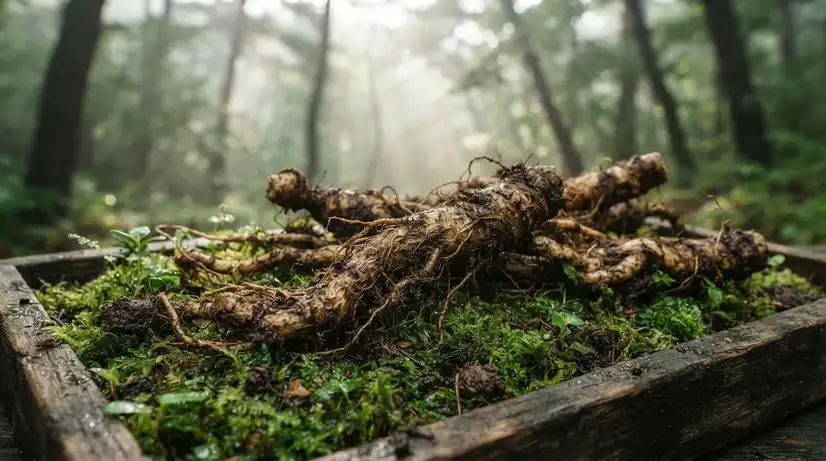
What is Deodeok Root? The Essence of the Mountain
To the uninitiated, Deodeok might look like a simple root vegetable, perhaps a cousin to the parsnip or the carrot. However, its botanical lineage tells a more prestigious story. Known scientifically as Codonopsis lanceolata, Deodeok is a perennial climbing vine. Its root is the prize, revered for centuries in traditional Eastern medicine—most notably in the legendary medical text Dongui Bogam—as “Sasam,” or “Sand Ginseng.”
The nickname “Mountain Ginseng Alternative” isn’t just marketing flair. Deodeok shares many of the same therapeutic compounds as the world-famous Panax ginseng, particularly saponins. However, while ginseng is often celebrated for its “yang” or heating energy, Deodeok is known for its “yin” or cooling and moistening properties. This makes it exceptionally effective for soothing internal heat and dryness, particularly in the respiratory system.
When you hold a fresh Deodeok root, the first thing you notice is its intense, woodsy aroma. It smells like the earth after a heavy rain—clean, sharp, and revitalizing. When broken or cut, it secretes a milky white sap, a clear indicator of its high saponin content. This sap is where the magic happens, containing the phytonutrients that have made it a staple in longevity diets for generations.
The Power of Saponins: Lung and Respiratory Benefits
The modern world presents a unique set of challenges for our lungs. From micro-dust and seasonal pollen to the general smog of city living, our respiratory tracts are under constant stress. This is where Deodeok truly shines as a powerhouse of lung health.
The primary active compound in Deodeok is saponin. These chemical compounds act as a natural detergent for the body’s internal membranes. In the context of the respiratory system, saponins help to lubricate the bronchial tubes and stimulate the secretion of protective mucus. This process is vital for thinning out phlegm and making it easier to expel, which is why Deodeok has been used for centuries to treat chronic coughs, asthma, and sore throats.
Beyond just symptom management, Deodeok offers a protective shield. Regular consumption helps to strengthen the lung’s resilience against external irritants. It is a natural “detox” for the chest, clearing out the stagnation that often leads to fatigue and shortness of breath. For those who find themselves reaching for cough drops or inhalers during seasonal shifts, incorporating Deodeok into the diet can offer a profound, foundational level of support that treats the root cause rather than just the surface symptoms.
Natural Detoxification and Liver Support
While its benefits for the lungs are legendary, Deodeok is also a silent hero for the liver. Our liver is the body’s primary filtration plant, working 24/7 to neutralize toxins from the food we eat and the environment we inhabit. Deodeok contains potent antioxidants, including flavonoids and beta-glucan, which assist in liver cell regeneration and enhance the organ’s ability to flush out metabolic waste.
One of the most practical applications of Deodeok is its effectiveness in alleviating “internal stagnation.” In cultural contexts where social dining often involves rich foods or alcohol, Deodeok is the go-to remedy for a “hangover” or general lethargy. It helps to metabolize acetaldehyde (the toxic byproduct of alcohol) more efficiently, reducing the morning-after brain fog and physical exhaustion.
Furthermore, the high fiber content in Deodeok promotes healthy digestion and blood sugar regulation. By slowing down the absorption of glucose and assisting in the removal of excess cholesterol from the bloodstream, it provides a comprehensive cardiovascular and metabolic detox. This makes it an ideal “saponin-rich food” for those looking to manage their weight and energy levels naturally.
Culinary Alchemy: From Bitter Root to Gourmet Delicacy
One of the reasons Deodeok remains so popular is that it is genuinely delicious when prepared correctly. Unlike some medicinal roots that are only consumed as bitter tonics, Deodeok has a sophisticated flavor profile. It is a complex dance between bitter, sweet, and nutty, with a texture that is simultaneously crunchy and tender.
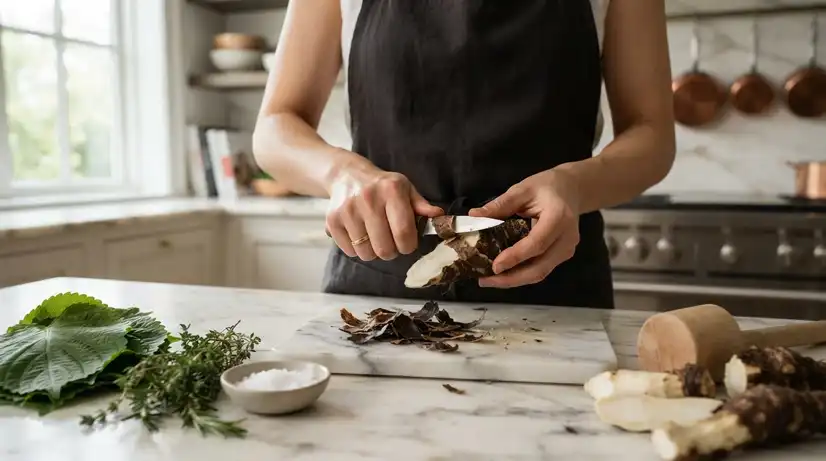
The secret to preparing Deodeok lies in the “tenderizing” process. Because the root is fibrous, it is traditionally peeled and then gently pounded with a wooden mallet. This breaks down the tough cell walls, allowing seasonings to penetrate deep into the core while transforming the texture into something resembling a tender fillet of fish or a well-aged steak.
In high-end “mountain cuisine,” Deodeok is treated with the same reverence as a prime cut of meat. It can be eaten raw in salads for a refreshing, grassy crunch, or it can be slow-roasted to bring out its natural sugars. The ability of the root to absorb flavors while maintaining its unique aroma makes it a favorite among chefs who specialize in plant-based, health-forward menus.
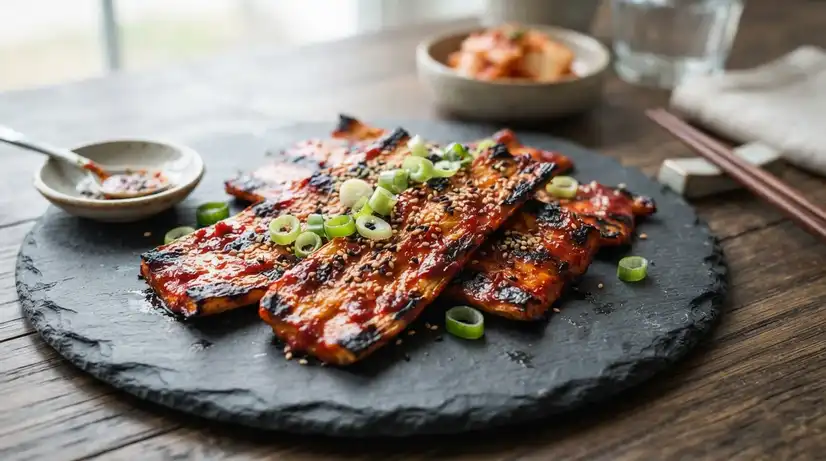
The Iconic Grilled Deodeok Recipe (Deodeok-gui)
If you are new to this root, the “Grilled Root Recipe” (Deodeok-gui) is the definitive way to experience it. This dish transforms the wild root into a savory, spicy, and smoky masterpiece that is often served as a main side dish or a vegetarian alternative to barbecue.
Ingredients:
– Fresh Deodeok roots (approx. 300g)
– Base Marinade: 1 tbsp Sesame oil, 1 tsp Soy sauce
– Gochujang Sauce: 2 tbsp Gochujang (Korean chili paste), 1 tbsp Honey or Maple syrup, 1 tsp Minced garlic, 1 tsp Soy sauce, and a splash of water to thin.
Instructions:
1. Peeling: Wash the roots thoroughly. To make peeling easier, blanch them in boiling water for 10 seconds, then shock in cold water. Use a knife to peel the skin in a spiral motion.
2. Tenderizing: Place the peeled roots on a cutting board. Cover with plastic wrap and gently pound them with a rolling pin or mallet until they are flattened and the fibers have loosened.
3. The “Pre-bath”: Brush the flattened roots with the sesame oil and soy sauce mixture. This coats the fibers and prevents them from drying out during the initial grill.
4. Grilling: Lightly sear the roots on a pan over medium heat until they become fragrant and slightly golden.
5. The Final Glaze: Brush the Gochujang sauce generously over both sides. Grill for another minute or two, being careful not to burn the sugar in the sauce.
6. Garnish: Finish with a sprinkle of sesame seeds and scallions.
The result is a dish that hits every flavor note: the initial heat of the chili, the mellow sweetness of the honey, the nuttiness of the sesame, and the deep, earthy “mountain” scent of the Deodeok itself.
Deodeok Tea: A Daily Wellness Ritual
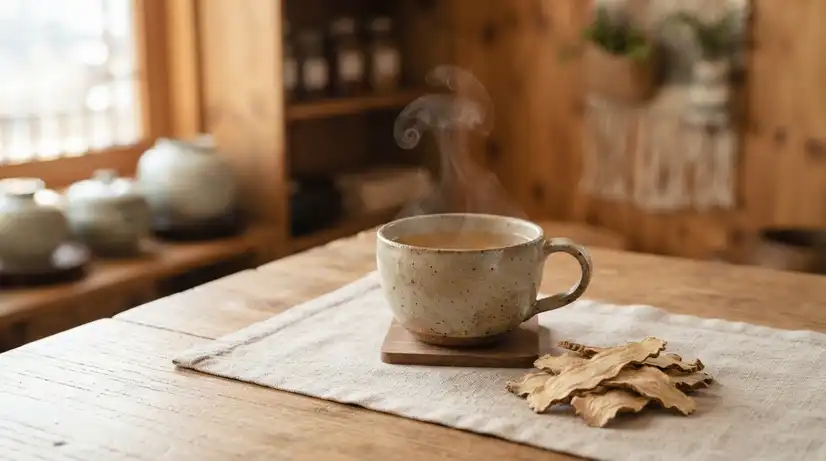
For those who prefer a more subtle approach, Deodeok tea is an excellent way to reap the “Saponin-rich” benefits without any heavy cooking. This tea is a staple during the winter months or during high-pollution days to keep the throat moist and the lungs clear.
To make a simple Deodeok tea, you can use either dried slices or fresh root. Simmer about 20 grams of Deodeok in a liter of water for 30 to 40 minutes. The resulting liquid will have a pale golden hue and a comforting, woody flavor. For an extra boost of respiratory health, many people add a few slices of ginger or a dried jujube (red date). Adding a spoonful of honey before drinking not only improves the taste but also works synergistically with the Deodeok to coat the throat and soothe irritation.
Because Deodeok is caffeine-free, it makes for a perfect evening ritual. It helps to calm the nervous system while performing its internal “detox” work as you sleep. It is a gentle yet powerful alternative to modern energy drinks or caffeinated teas.
Strategic Food Pairings and Precautions
To maximize the benefits of Deodeok, it is helpful to understand its “culinary chemistry.” In traditional food therapy, certain ingredients are paired with Deodeok to balance its energy or enhance its nutrient absorption.
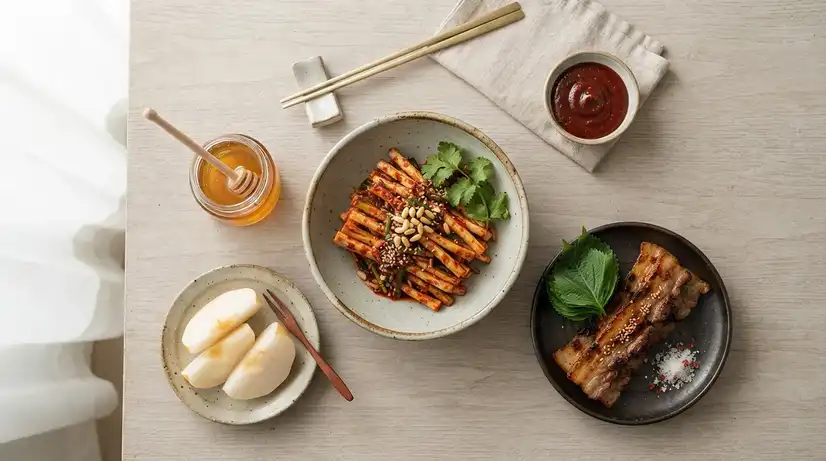
- Deodeok and Honey/Pear: This is the ultimate “Respiratory Trio.” The hydrating properties of pear and the antimicrobial properties of honey perfectly complement Deodeok’s saponins.
- Deodeok and Pork/Beef: When cooking meat, adding Deodeok helps to neutralize the heavy fats and assists in protein digestion. The earthy scent of the root also acts as a natural deodorizer, removing any gaminess from the meat.
- Deodeok and Black Sesame: This pairing provides a balance of minerals and healthy fats, making it a complete nutritional package for those recovering from illness or fatigue.
Precautions:
While Deodeok is generally safe for everyone, it does have a “cool” nature. People with extremely cold constitutions (those who often have cold hands and feet or frequent digestive upsets) should consume it in moderation or pair it with warming ingredients like ginger. Additionally, because it contains potent saponins, pregnant women should consult with their healthcare provider to ensure it fits within their specific dietary needs.
Why Deodeok Belongs in Your Modern Pantry
In our fast-paced, often polluted world, we need “functional allies”—foods that do more than just fill our stomachs. Deodeok represents the pinnacle of this philosophy. It is a “Mountain Ginseng Alternative” that offers accessibility without compromising on efficacy.
Whether you are sipping on a warm cup of Deodeok tea after a long day of commuting or serving a beautifully glazed Deodeok-gui at a dinner party, you are participating in a tradition of wellness that spans centuries. It is a reminder that the best medicine often comes from the earth, and that deep, restorative health can be as simple as a root grown in the quiet, misty mountains.
Next time you are looking for a way to detoxify your body or protect your respiratory health, look past the synthetic supplements and turn toward the wild. Deodeok is waiting to share its mountain secrets with you.
💡 Curious about Korean Temple Cuisine?
Discover the ultimate guide to easy, soul-soothing vegan recipes for your daily life.
Go check this out ↗
FAQ
Q: Is Deodeok the same as Ginseng?
A: No, while they share similar compounds like saponins, they are different plants. Deodeok (Codonopsis lanceolata) is a vine root with a focus on respiratory health and “cooling” energy, whereas Ginseng (Panax ginseng) is a herbaceous plant known for its “heating” and energy-boosting properties.
Q: How do I store fresh Deodeok root?
A: To keep it fresh, do not wash off the soil. Wrap the roots in newspaper or a paper towel and store them in the vegetable compartment of your refrigerator. They can stay fresh for up to two weeks this way.
Q: Can I eat the skin of the Deodeok root?
A: While the skin is technically edible, it is very tough, fibrous, and can be quite bitter. It is generally recommended to peel the root to enjoy its tender interior and subtle flavor.
Q: What does Deodeok taste like?
A: It has a unique profile—initially earthy and slightly bitter, followed by a subtle sweetness. The aroma is very similar to a pine forest or damp mountain earth.
Q: Is Deodeok good for children?
A: Yes, it is a great natural way to boost a child’s immunity and respiratory health, especially during flu season. Preparing it with honey or in a mild tea makes it more palatable for younger ones.
Q: How do I remove the sticky sap when peeling Deodeok?
A: The sticky sap is actually the beneficial saponin! If it bothers you, you can wear gloves while peeling, or rub your hands with a little bit of cooking oil before washing them with soap.
Q: Can I use dried Deodeok for cooking?
A: Dried Deodeok is best used for teas, infusions, or medicinal soups. For dishes like grilled Deodeok (Deodeok-gui), fresh roots are necessary to achieve the desired texture.
Q: Does Deodeok help with air pollution and fine dust?
A: Yes, the saponins in Deodeok help clear the respiratory tract and protect the bronchial membranes, making it a popular food to consume during seasons with high fine dust or smog.
Q: Is Deodeok vegan-friendly?
A: Absolutely. It is a plant-based root and serves as an excellent, “meaty” textured main dish for vegans and vegetarians when grilled or roasted.
Q: Can I grow Deodeok at home?
A: Deodeok requires specific conditions—cool temperatures, high humidity, and well-drained, slightly acidic soil. It is a climbing vine, so it also needs a trellis or support. If you have a garden with these mountain-like conditions, it is possible to grow!

Written by WhatIneed.kr
Having lived in South Korea, the US, and Canada, I love experiencing and exploring diverse cultures and dietary habits. As a dedicated food guide, I explore the rich traditions of Korean cuisine, specializing in authentic home cooking, traditional fermentation, and peaceful Korean temple food.