When you first encounter a burdock root at a local farmer’s market or a specialized grocery store, it might not immediately capture your attention. Long, slender, and often covered in a thin layer of rustic soil, it looks more like a stray branch than a nutritional powerhouse. However, beneath its humble, woody exterior lies a crisp, ivory-colored flesh that has been revered for centuries across various cultures for its profound healing properties and unique flavor profile. Often referred to as “Nature’s Diamond in the Rough,” burdock root (Arctium lappa) is a staple in traditional wellness and a secret weapon for chefs looking to add an earthy, sophisticated depth to their dishes.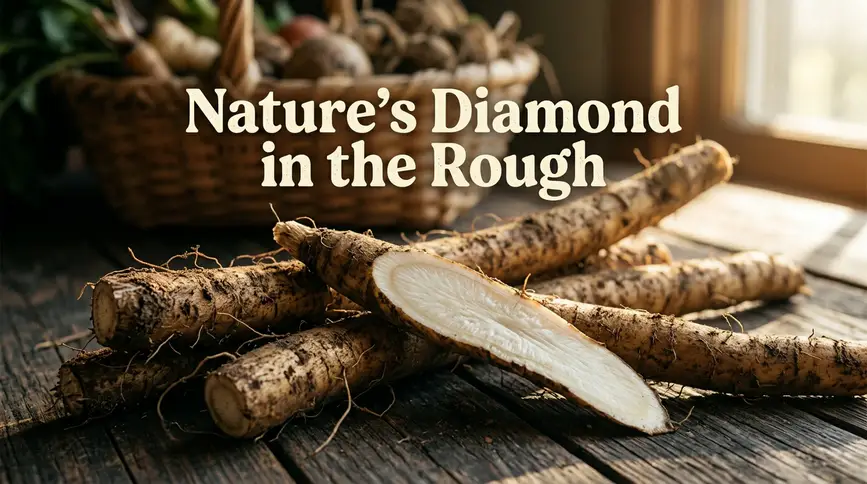
Whether you are a health enthusiast seeking natural ways to support your body’s detoxification or a culinary explorer looking for the next versatile ingredient, burdock root offers an incredible array of benefits. In this comprehensive guide, we will dive deep into the world of burdock—exploring its history, its science-backed health advantages, and how you can seamlessly integrate it into your kitchen and daily rituals.
Understanding Burdock Root: Nature’s Rugged Gift to Wellness
Burdock is a biennial plant belonging to the Asteraceae family, the same family as sunflowers and daisies. While the leaves and stalks are occasionally used, it is the taproot that serves as the primary prize. Native to Europe and Northern Asia, it has found a permanent home in many global kitchens, particularly in East Asian cuisine where it is celebrated for its distinct texture and “umami” qualities.
In the wild, burdock is known for its tenacious burs that cling to clothing and fur—a design that famously inspired the invention of Velcro. But in the world of nutrition, its tenacity is reflected in its nutrient density. Burdock root is incredibly resilient, absorbing a wealth of minerals from the deep soil it inhabits. It possesses an earthy, slightly sweet, and nutty flavor, often compared to a cross between an artichoke and a parsnip, but with a significantly crunchier bite.
What makes burdock truly stand out is its chemical composition. It is one of the richest plant sources of inulin, a type of prebiotic fiber that serves as fuel for beneficial gut bacteria. Additionally, it is packed with potent antioxidants like quercetin, luteolin, and phenolic acids. These compounds work together to protect the body from oxidative stress, making burdock more than just a vegetable—it is a functional food that supports the body from the inside out.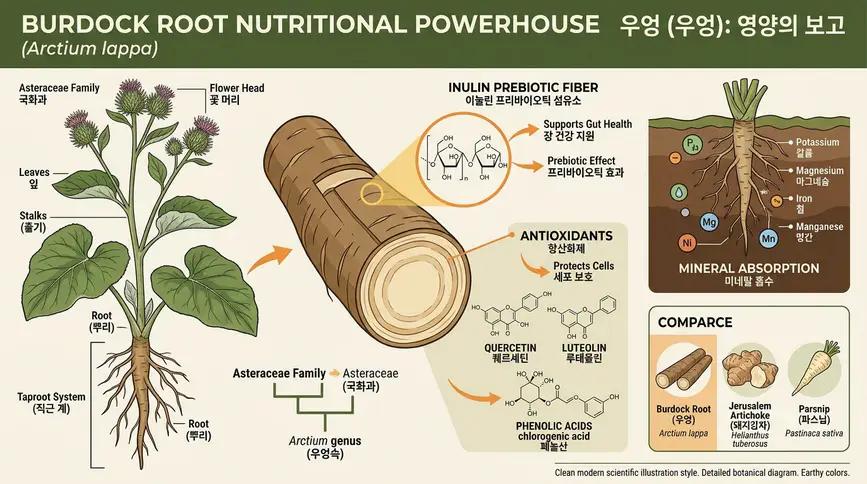
The Power Within: Scientific and Traditional Health Benefits
The reputation of burdock root as a “blood purifier” is not merely folklore; it is rooted in its remarkable ability to support the body’s natural filtration systems. Historically used in various traditional practices to treat everything from skin conditions to digestive ailments, modern science is now beginning to validate these ancient claims.
A Natural Regulator for Blood Sugar
One of the most significant benefits of burdock root is its impact on glucose metabolism. The high concentration of inulin, a complex carbohydrate, means that burdock does not cause the rapid spikes in blood sugar that other starchy vegetables might. Instead, it slows down digestion and improves insulin sensitivity. This makes it an excellent dietary addition for those looking to manage their blood sugar levels naturally and maintain steady energy throughout the day.
Gut Health and Digestive Harmony
In an era where gut health is recognized as the cornerstone of overall immunity, burdock root shines as a prebiotic superstar. The fiber in burdock doesn’t just help with regular bowel movements; it specifically nourishes the microbiome. By fostering a healthy environment for probiotics like Bifidobacteria, burdock helps improve nutrient absorption and strengthens the intestinal barrier. Its mild bitter compounds also stimulate bile production, aiding in the smooth digestion of fats.
Radiant Skin and Detoxification
If you’ve ever looked into natural remedies for acne, eczema, or psoriasis, you’ve likely come across burdock. Its “blood-purifying” reputation stems from its diuretic properties, which encourage the kidneys to flush out toxins, and its ability to improve circulation to the skin’s surface. By reducing systemic inflammation and supporting the liver, burdock often results in a clearer, more radiant complexion. Many find that regular consumption of burdock, whether through food or tea, provides a natural glow that topical treatments can rarely match.
Cardiovascular Support and Anti-Inflammatory Effects
The polyphenols and saponins found in the skin of the burdock root are vital for heart health. These compounds help lower “bad” LDL cholesterol and improve the elasticity of blood vessels. Furthermore, burdock contains arctiin and arctigenin, which have shown powerful anti-inflammatory effects in various studies. This makes it a beneficial ingredient for those dealing with chronic inflammatory conditions or those simply looking to protect their long-term cardiovascular health.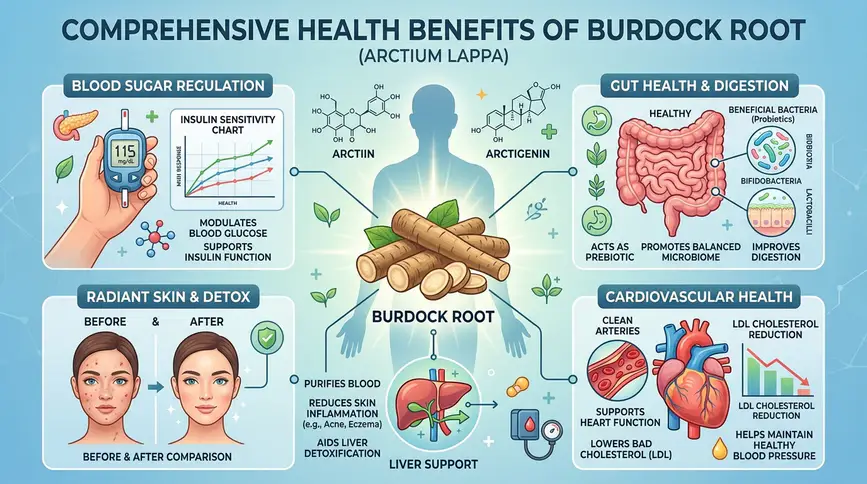
From Earth to Table: Culinary Adventures with Burdock Root
Integrating burdock into your diet is a rewarding culinary experience. Its firm texture holds up exceptionally well to various cooking methods, from braising to deep-frying. When preparing burdock, remember that much of the flavor and many of the antioxidants are concentrated in and just beneath the skin. Rather than peeling it aggressively, simply scrub it with a vegetable brush or the back of a knife to remove the dirt.
The Classic Braised Burdock
This is perhaps the most beloved way to enjoy burdock. By julienning the root into matchsticks and sautéing them with carrots, you create a dish that is both savory and sweet. The key is to soak the cut burdock in water with a splash of vinegar for a few minutes to prevent browning (enzymatic browning) and to remove any excess bitterness. Sauté the vegetables in toasted sesame oil, add soy sauce, a touch of maple syrup or honey, and a splash of rice wine. Finish with a generous sprinkle of toasted sesame seeds for a crunchy, addictive side dish that pairs perfectly with any meal.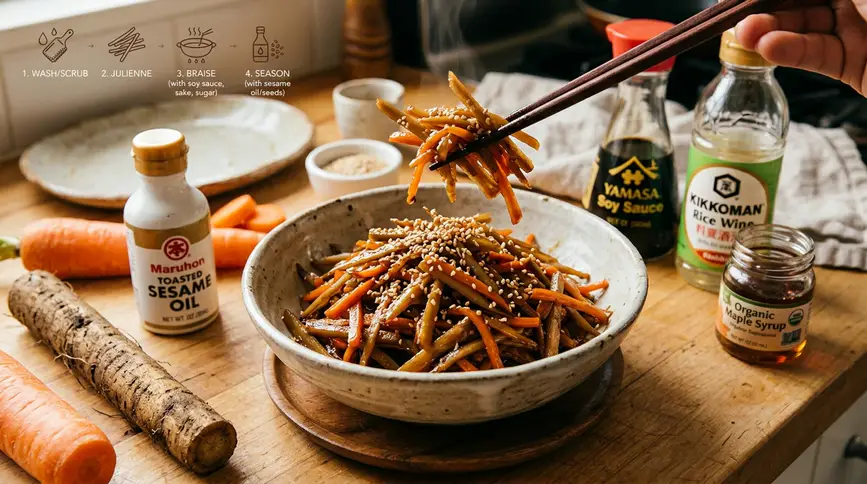
Burdock Root “Fries”
For those who enjoy a healthier alternative to traditional snacks, burdock chips or “fries” are a revelation. Slice the root into thin rounds or long strips, toss them in a light coating of cornstarch or arrowroot powder seasoned with garlic powder and sea salt, and air-fry or lightly pan-fry them until golden. The result is a savory, earthy snack that satisfies the craving for crunch while delivering a punch of fiber.
Hearty Burdock Nutritious Rice
Adding burdock to your grain dishes is a fantastic way to elevate a simple meal. Finely chop or shave the burdock and stir it into your rice cooker along with brown rice, sliced shiitake mushrooms, and a dash of dashi or vegetable broth. As the rice cooks, the burdock infuses every grain with a woody, forest-like aroma. This “one-pot” wonder is not only convenient but provides a complex flavor profile that makes the rice the star of the show.
Burdock and Sesame Salad
For a refreshing take, try a burdock salad. Blanch julienned burdock and carrots in boiling water for about two minutes until they are tender-crisp. Shock them in an ice bath to preserve the texture. Toss the vegetables with a creamy dressing made from ground toasted sesame seeds, a bit of Greek yogurt or vegan mayo, and a hint of soy sauce. This salad offers a wonderful contrast of creamy and crunchy, making it a perfect summer side dish.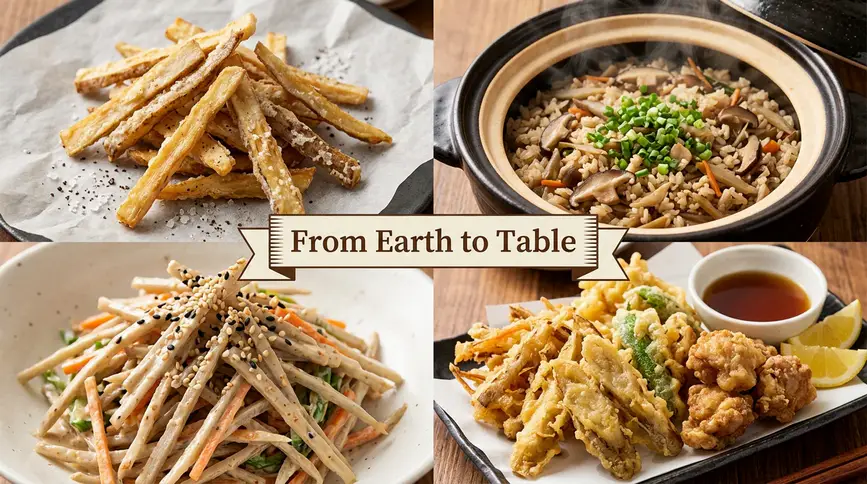
The Art of the Brew: Mastering Burdock Tea
While eating burdock is delicious, many people prefer the convenience and ritual of burdock tea. In many cultures, a warm cup of burdock tea is a daily staple for longevity and vitality. It is naturally caffeine-free, making it an ideal evening beverage that supports detoxification while you sleep.
How to Make the Perfect Cup
If you have fresh burdock, you can make your own tea by thinly slicing the root (with the skin on!) and drying the slices in the sun or a dehydrator until they are brittle. The secret to a truly aromatic tea is “roasting” or “parching.” Place the dried slices in a dry pan over low heat and toss them until they turn a deep golden brown and emit a nutty, toasted aroma.
To brew, simply add 2 to 3 slices (or a teaspoon of loose tea) to a cup of boiling water and let it steep for at least 5 to 10 minutes. The longer it steeps, the deeper the earthy flavor becomes. The tea has a soothing, slightly sweet aftertaste that feels incredibly grounding.
Mindful Consumption
Because burdock tea has potent diuretic properties, it is best enjoyed in moderation. One to two cups a day is usually sufficient to reap the benefits without overworking the kidneys. It’s a wonderful way to replace sugary drinks or high-caffeine beverages, providing a moment of calm and a boost of antioxidants in every sip.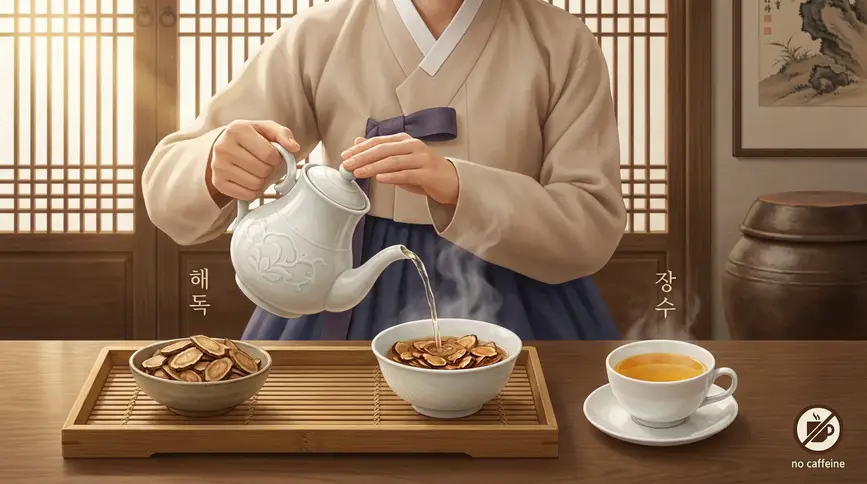
Essential Guidelines: Considerations and Storage
While burdock root is a safe and beneficial food for most people, there are a few things to keep in mind to ensure the best experience.
Who Should Be Cautious?
Burdock has a “cooling” nature according to traditional dietary principles. Therefore, individuals who frequently experience cold hands and feet or have a very sensitive digestive system prone to diarrhea should start with small amounts. Additionally, because it may stimulate uterine contractions, pregnant women are generally advised to avoid medicinal amounts of burdock or consult with a healthcare provider before making it a regular part of their diet.
Selection and Storage Tips
When shopping for burdock, look for roots that are firm and snap easily. Avoid any that are limp, shriveled, or have large cracks. If you can find roots with the soil still attached, they will stay fresh much longer.
At home, wrap the unwashed root in a damp paper towel or newspaper and store it in the crisper drawer of your refrigerator. It can stay fresh for up to two weeks this way. Once you have cut or peeled the root, use it immediately or keep it submerged in water to prevent it from turning dark.
Conclusion
Burdock root is a testament to the idea that some of the greatest treasures are found beneath the surface. It is a bridge between the world of culinary arts and the world of natural medicine. By inviting this rugged, earthy root into your kitchen, you are not just adding a new flavor to your palate; you are embracing a tradition of wellness that supports your blood, your gut, and your skin.
Whether you’re enjoying it as a crispy snack, a savory braise, or a calming cup of tea, burdock root offers a sense of grounding and vitality that is hard to find elsewhere. Next time you see these long, dusty roots at the market, don’t pass them by. Bring them home, give them a good scrub, and discover the hidden wonders of one of nature’s most resilient superfoods.↗
💡 Curious about Korean Temple Cuisine?
Discover the ultimate guide to easy, soul-soothing vegan recipes for your daily life.
Go check this out ↗
FAQ
Q: Does burdock root tea contain caffeine?
A: No, burdock root tea is naturally caffeine-free. This makes it an excellent choice for an evening drink or for those who are sensitive to stimulants but still want a warm, flavorful beverage.
Q: Can I eat the skin of the burdock root?
A: Yes, and it is actually encouraged! The skin contains a high concentration of antioxidants and aromatic compounds. Instead of peeling it, simply scrub the surface thoroughly with a brush or the back of a spoon to remove any dirt.
Q: What does burdock root taste like?
A: Burdock has a very distinct earthy, nutty, and slightly sweet flavor. Some people compare it to the taste of artichokes or lotus roots, but it has a much firmer, crunchier texture that remains even after cooking.
Q: Is burdock root effective for weight loss?
A: While not a magic pill, burdock root can support weight management. It is very low in calories and high in fiber, which helps you feel full longer. Its ability to regulate blood sugar also helps prevent the cravings that often lead to overeating.
Q: How do I prevent burdock root from turning brown after cutting?
A: Burdock oxidizes quickly once the flesh is exposed to air. To prevent this, place the cut pieces immediately into a bowl of water. Adding a small splash of vinegar or lemon juice to the water will help maintain its pale color and remove excess bitterness.
Q: Can I drink burdock tea every day?
A: For most healthy adults, drinking 1-2 cups of burdock tea daily is safe and beneficial. However, due to its diuretic effects, it’s important to monitor how your body reacts and ensure you are also staying hydrated with regular water.
Q: Are there any people who should avoid burdock root?
A: People who are dehydrated, those with certain kidney conditions, or individuals who are pregnant should consult a doctor first. Also, those with allergies to plants in the daisy/sunflower family (Asteraceae) should be cautious.
Q: How should I store fresh burdock root?
A: Store unwashed burdock root wrapped in a damp paper towel or newspaper inside a plastic bag in your refrigerator’s crisper drawer. It will typically stay fresh and firm for one to two weeks.
Q: Can burdock root be eaten raw?
A: While it is possible to eat it raw (usually very thinly shaved in salads), most people find the texture a bit too tough and the flavor slightly too astringent. Lightly blanching or sautéing it usually improves both the texture and the flavor profile.
Q: Where can I buy burdock root?
A: You can typically find fresh burdock root at Asian grocery stores, well-stocked health food stores, or local farmer’s markets during the harvest season. Dried burdock for tea is widely available in health food stores and online.

Written by WhatIneed.kr
Having lived in South Korea, the US, and Canada, I love experiencing and exploring diverse cultures and dietary habits. As a dedicated food guide, I explore the rich traditions of Korean cuisine, specializing in authentic home cooking, traditional fermentation, and peaceful Korean temple food.