Walking down the produce aisle of a bustling international market, you might overlook those slender, delicate white clusters tucked away near the more robust portobellos and shiitakes. Known for their long stems and tiny caps, Enoki mushrooms (Flammulina velutipes) are often dismissed as a mere garnish for hot pots. However, those who appreciate the subtle nuances of East Asian cuisine know that these “golden needle mushrooms” are the unsung heroes of the kitchen. Beyond their satisfying, signature “crunch,” they are a nutritional goldmine, acting as a secret weapon for weight management and digestive vitality. Whether you are navigating a busy lifestyle in a fast-paced city or looking to refine your home-cooked meals with high-fiber banchan, Enoki mushrooms offer an elegance and health profile that is hard to beat.
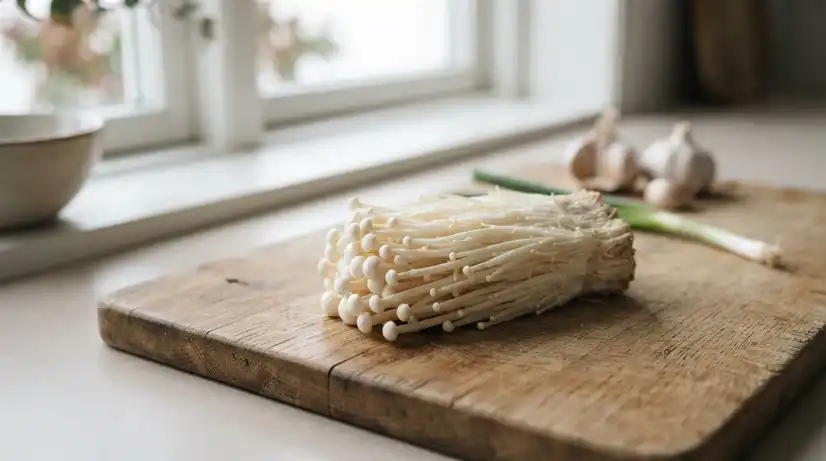
The Science of the Crunch: Enoki Mushroom Nutrition and Gut Health
To the uninitiated, the Enoki mushroom might look fragile, but its nutritional profile is incredibly resilient. One of the most compelling reasons to integrate these mushrooms into your weekly meal prep is their high concentration of “Mushroom Chitosan,” specifically known as kito-glucan. For anyone who has spent time researching holistic wellness or functional foods, kito-glucan is a buzzword for a reason. This unique compound acts as a natural fat-blocker within the digestive tract. It inhibits the absorption of dietary fats and helps mobilize visceral fat—the stubborn “hidden” fat that surrounds internal organs. When you combine this with a caloric density of only about 32 calories per 100 grams, it is easy to see why it has earned its reputation as the ultimate weight loss mushroom.
But the benefits extend far beyond the waistline. Enoki mushrooms are a powerhouse for gut health foods. They contain more than double the dietary fiber of cabbage, making them a “natural broom” for your intestines. This high fiber content facilitates smoother digestion and helps maintain a healthy microbiome, which we now know is the cornerstone of overall immunity and even mental clarity. Furthermore, they are rich in a polysaccharide called flammulin. Research suggests that flammulin can enhance the activity of immune cells, providing a natural defense against environmental stressors. For those mindful of cardiovascular health, the soluble fiber and potassium found in Enoki help regulate blood pressure and lower LDL (the “bad”) cholesterol, acting as a gentle “vessel cleaner” for your circulatory system.
Mastering the Prep: Maximizing Nutrient Absorption
While Enoki mushrooms are versatile, there is a specific “know-how” to preparing them that ensures you aren’t just eating for taste, but for maximum biological benefit. One of the most common mistakes people make is tossing the whole long strand into a soup or stir-fry. While aesthetically pleasing, the cell walls of Enoki are remarkably tough. If they aren’t broken down during the preparation stage, the body struggles to extract the kito-glucan and other vital nutrients, often passing them through the system undigested. To unlock their full potential, it is highly recommended to chop the mushrooms into 1 to 2 cm pieces. This simple mechanical action breaks the sturdy cell walls, making the nutrients much more bioavailable.
Safety is another crucial aspect of Enoki preparation. While many greens are wonderful raw, Enoki mushrooms should always be cooked. They contain a trace amount of a heat-labile toxin called flammutoxin, which can be harmful to red blood cells if consumed in its raw state. Fortunately, this protein is completely neutralized when heated above 70°C (158°F). A quick blanch, a sauté, or a simmer in a broth is all it takes to make them perfectly safe and delicious. When washing them, avoid soaking them in water, as mushrooms are porous and can become soggy. Instead, give them a quick, light rinse or shake them in their packaging after trimming the root base to keep that delightful, firm texture intact.
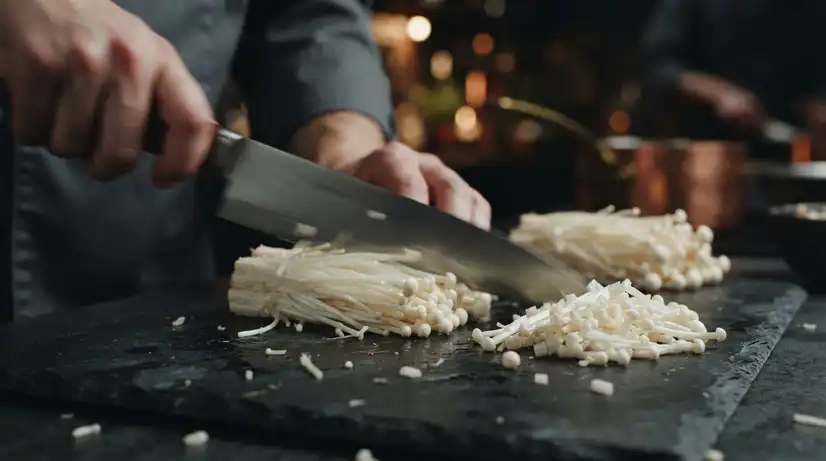
Easy Asian Mushroom Recipes: Quick Pickling and Comforting Soups
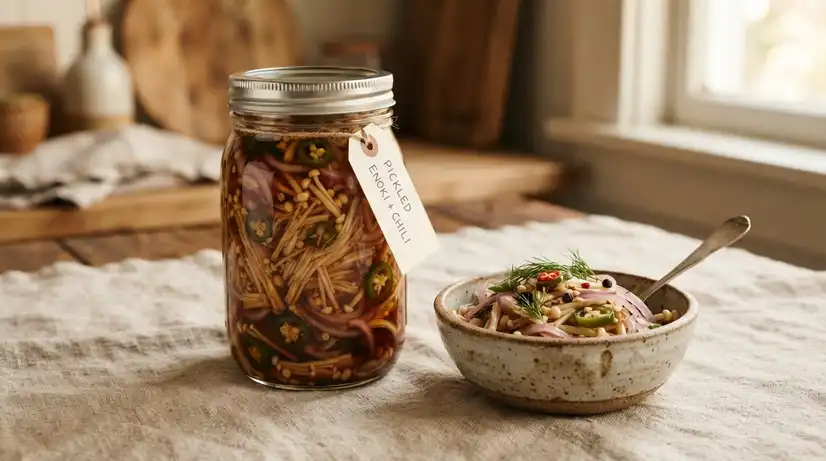
If you are looking to dip your toes into the world of high-fiber banchan (Korean side dishes), Enoki Mushroom Pickling (Jangajji) is the perfect entry point. This dish captures the essence of “sweet, salty, and sour” while preserving the mushroom’s unique snap. The beauty of this recipe lies in its longevity; it sits in your fridge, ready to elevate a simple bowl of steamed rice or a grilled piece of protein.
Enoki Mushroom Quick Pickling (Jangajji Style)
The secret is in the brine ratio. A classic, fail-safe proportion is 1 part soy sauce, 1 part water, and 2/3 part sugar. Bring this mixture to a gentle boil to dissolve the sugar and meld the flavors. Once you take it off the heat, add 2/3 part vinegar. This “post-boil” vinegar addition keeps the acidity bright and sharp. Pack your cleaned Enoki (and perhaps some sliced jalapeños or onions for a kick) into a glass jar and pour the warm brine over them. Let it sit at room temperature for a day before moving it to the fridge. The result is a savory, crunchy condiment that cuts through the richness of any meal.
5-Minute Enoki Miso Soup
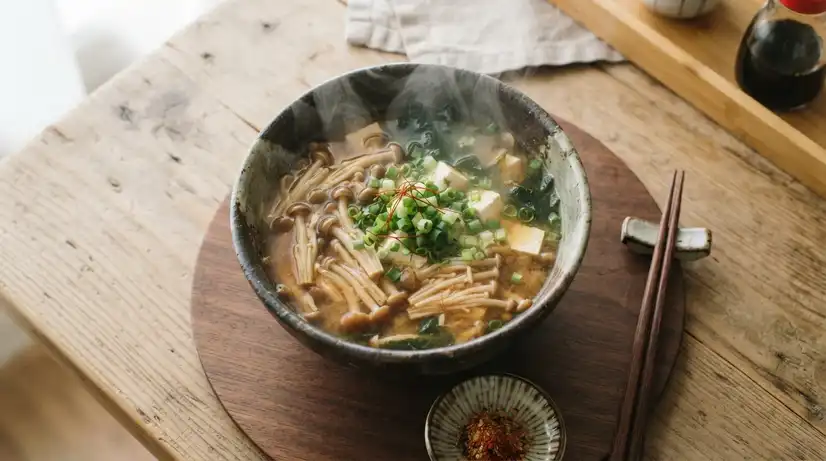
For those cold mornings or busy weeknights when you need comfort in a bowl, a 5-minute Enoki Miso Soup is a lifesaver. Start by whisking 1.5 to 2 tablespoons of high-quality miso paste into 500ml of simmering water. For a deeper, more professional “umami” profile, a splash of tsuyu (Japanese seasoned soy sauce) goes a long way. Once the broth is steaming, add cubed silken tofu and—most importantly—your finely chopped Enoki mushrooms. Because the mushrooms are small, they only need about a minute or two to reach the perfect consistency. Finish with a handful of chopped scallions. It’s light, hydrating, and packed with the gut-healing benefits of fermented miso and mushroom fiber.
Elevating Your Daily Routine: Creative Culinary Integration
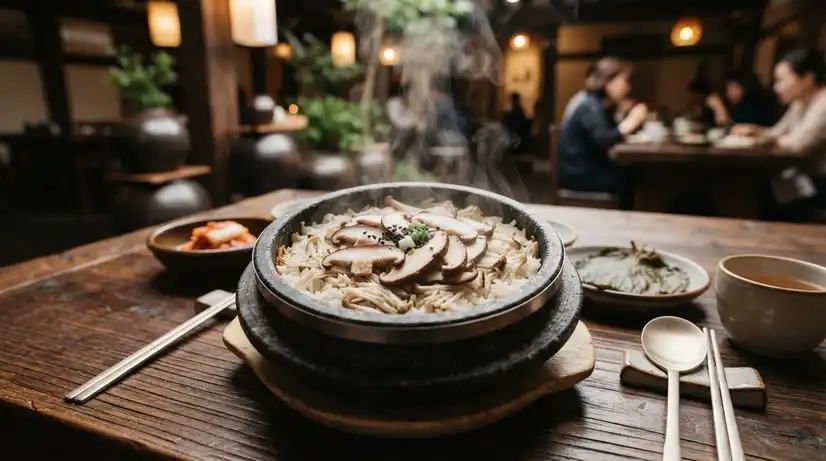
Integrating Enoki mushrooms into your lifestyle doesn’t always require a dedicated recipe. Think of them as a versatile “filler” that enhances the volume of your meals without adding heavy carbohydrates. For those practicing a low-carb or keto-friendly diet, Enoki can be a game-changer. One popular technique is creating “Enoki Rice.” By finely dicing the mushrooms and mixing them into your grain of choice before cooking, you effectively double the volume of the “rice” while significantly lowering the glycemic load of the meal. The mushrooms absorb the aroma of the rice and provide a subtle, earthy undertone that is incredibly satisfying.
Furthermore, Enoki mushrooms excel in stir-fries. They have a remarkable ability to soak up sauces, acting like little sponges for ginger, garlic, and sesame oil. If you are preparing a traditional stir-fry, add the Enoki at the very end. They only require a flash of heat to wilt slightly while maintaining their crunch. For a Western twist, try sautéing them in a little bit of high-quality butter with a pinch of sea salt and cracked black pepper; the butter browns and coats the thin strands, creating a side dish that tastes far more indulgent than its calorie count suggests. Their long, noodle-like shape also makes them a fantastic gluten-free alternative to pasta in certain dishes, providing a unique texture that pairs beautifully with light pesto or a simple aglio e olio preparation.
A Sustainable and Accessible Superfood
In an era where “superfoods” are often synonymous with expensive powders or rare berries from distant lands, the Enoki mushroom stands out as an accessible, affordable, and sustainable option. It is a testament to the idea that some of the best things for our health are often found in the simplest ingredients. By understanding the cultural heritage of these mushrooms and applying modern nutritional science—such as the importance of chopping and cooking—you can transform a humble ingredient into a cornerstone of your wellness journey.
Whether you are seeking the “hidden fat” burning properties of mushroom chitosan, the digestive ease provided by its high fiber, or simply a new favorite high-fiber banchan to share with friends, the Enoki mushroom delivers on all fronts. Its unique texture adds a layer of sensory pleasure to every meal, proving that healthy eating never has to be bland or boring. Next time you see these delicate white clusters, bring a few packs home. Your gut, your heart, and your palate will thank you.
💡 Curious about Korean Temple Cuisine?
Discover the ultimate guide to easy, soul-soothing vegan recipes for your daily life.
Go check this out ↗
FAQ
Q: Can Enoki mushrooms be eaten raw in salads?
A: It is highly discouraged to eat Enoki mushrooms raw. They contain flammutoxin, a protein that can be toxic to red blood cells. Always cook them at temperatures above 70°C (158°F) to ensure they are safe for consumption.
Q: How do Enoki mushrooms help with weight loss?
A: They are very low in calories (32kcal per 100g) and high in kito-glucan (mushroom chitosan), which helps inhibit the absorption of dietary fat and aids in the breakdown of visceral fat.
Q: Why is it recommended to cut Enoki mushrooms into small pieces?
A: The cell walls of Enoki mushrooms are very tough. Chopping them into 1-2cm pieces breaks these walls, allowing your body to better absorb the beneficial nutrients like kito-glucan and fiber.
Q: Do Enoki mushrooms contain a lot of fiber?
A: Yes, they are exceptionally high in fiber—containing about twice as much as cabbage. This makes them excellent for improving digestion and preventing constipation.
Q: How should I store Enoki mushrooms to keep them fresh?
A: Keep them in their original packaging in the refrigerator. If opened, wrap them in a paper towel and place them in a breathable bag. They typically stay fresh for about 3 to 7 days.
Q: What is the best way to wash Enoki mushrooms?
A: Avoid soaking them as they absorb water easily. Trim the root base first, then give them a quick, gentle rinse under running water or shake them in a bag with a little water before draining.
Q: Can I freeze Enoki mushrooms?
A: Yes, you can freeze them. It is best to clean and chop them first. Freezing can actually help break down the cell walls, potentially making the nutrients even more accessible after cooking.
Q: What do Enoki mushrooms taste like?
A: They have a very mild, slightly fruity, and earthy flavor. Their primary appeal is their unique, crunchy texture, which allows them to take on the flavors of the sauces and broths they are cooked in.
Q: Are Enoki mushrooms good for heart health?
A: Yes. Their high potassium content helps flush out excess sodium, and their soluble fiber helps lower “bad” LDL cholesterol levels, supporting overall cardiovascular wellness.
Q: Can kids eat Enoki mushrooms?
A: Absolutely, as long as they are cooked and chopped into small, manageable pieces. Their crunchy texture is often a hit with children, making them a great way to introduce healthy fiber into a child’s diet.

Written by WhatIneed.kr
Having lived in South Korea, the US, and Canada, I love experiencing and exploring diverse cultures and dietary habits. As a dedicated food guide, I explore the rich traditions of Korean cuisine, specializing in authentic home cooking, traditional fermentation, and peaceful Korean temple food.