
Hello, my dear friends! When you come back home after draining all your energy outside all day, your body feels incredibly heavy, and you often lose your appetite. At times like these, spicy and greasy food can actually add a burden to your exhausted body, you know? So today, I want to introduce a mild dinner menu that helps relieve fatigue and comforts your stomach after a long day out: the ‘Beef Tomato Stew,’ also known as ‘Witch’s Soup.’
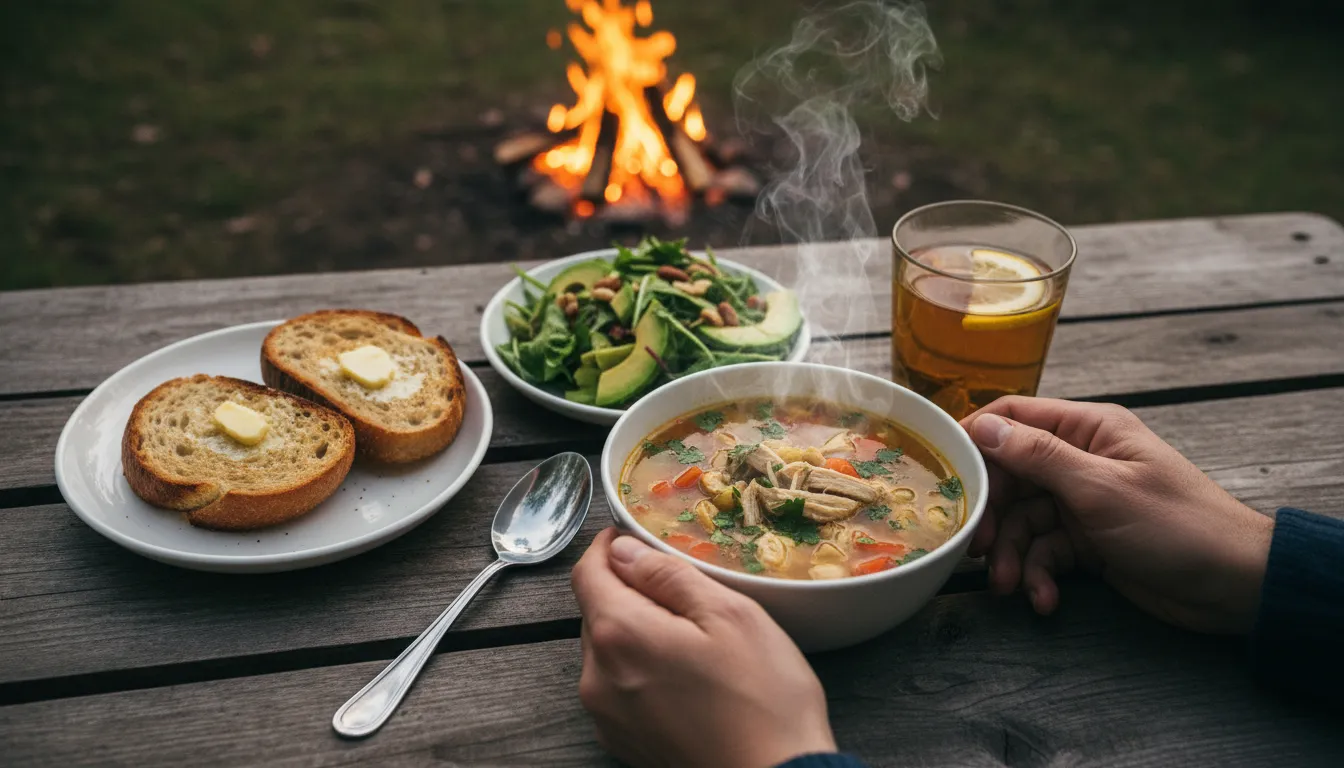
Having lived in Korea, Canada, and the US for over 10 years each, I’ve seen how different cultures comfort their tired bodies, but a warm, hearty stew is truly universal. Whenever I drive for long hours or spend the whole day outdoors with my kids, this beef tomato stew is one of the dishes I always make sure to eat. It is relatively simple to make, rich in nutrients, and goes down so smoothly, providing a wonderful feeling of warming up my tired body. The refreshing taste of tomatoes, the hearty beef, and the sweetness of the fully cooked vegetables blend together, making it a dish everyone can enjoy!
Why is Beef Tomato Stew the Best Choice After a Long Day Out?
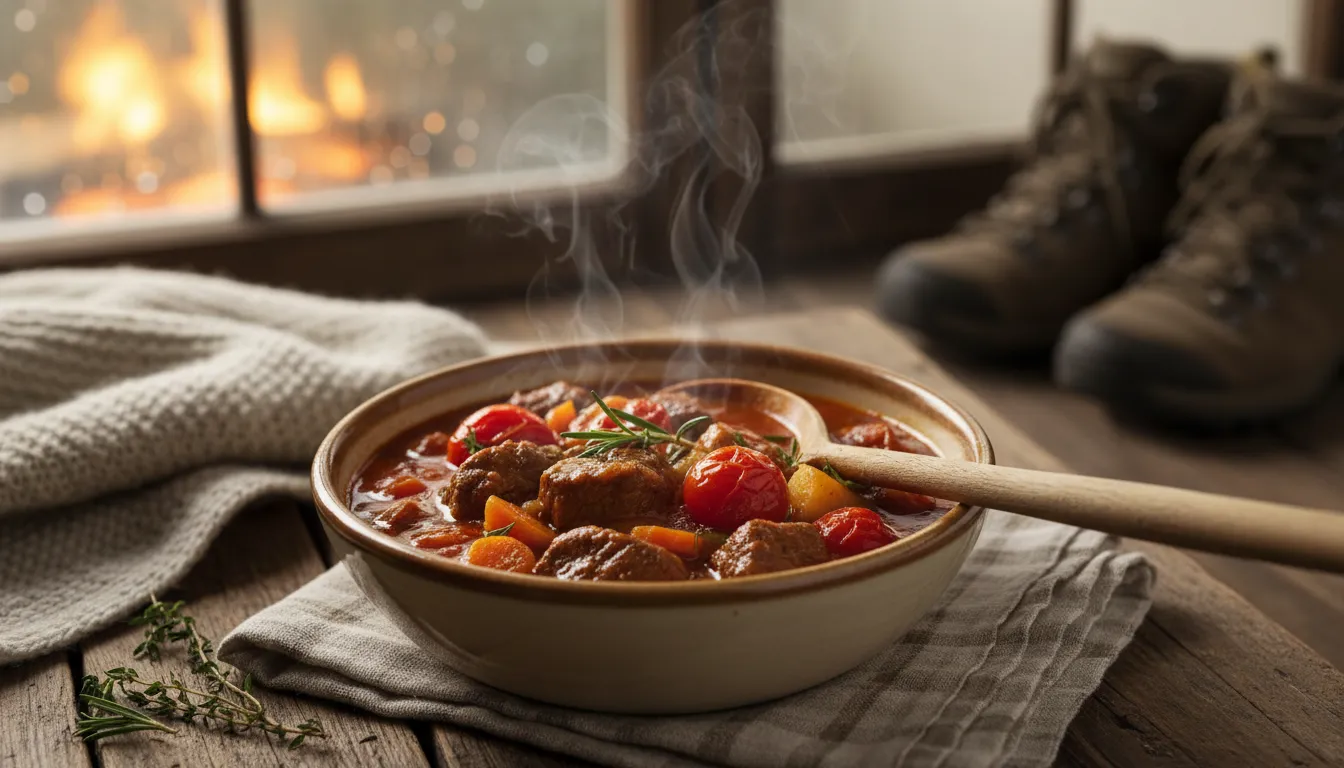
So, why is beef tomato stew such a great choice for recovering from fatigue after a long time outside? Let me point out a few reasons for you. It’s truly a fatigue-recovery booster packed with rich nutrients.
Tomatoes, a well-known ‘superfood,’ are rich in lycopene and vitamin C, which help remove fatigue-causing substances and promote metabolism through powerful antioxidant effects. In particular, fat-soluble lycopene is absorbed much better when cooked with oil, making it highly effective to consume in a stew form. Beef, abundant in high-quality protein and iron, is essential for energy production and muscle recovery. It plays a crucial role in replenishing the energy consumed during prolonged activities and restoring vitality. The various vegetables included, such as onions, potatoes, and carrots, supply their respective vitamins, minerals, and dietary fiber, balancing your overall nutrition.
Comforting Digestion with Warmth and Hydration

A stew simmered slowly over low heat allows the ingredients to cook softly, lessening the burden on your digestive system. Especially when your digestive function might have slowed down due to long hours outdoors, such soft and warm food comforts your stomach much better than hard or greasy meals. Since the vegetables are fully cooked, children and those with weak digestion can enjoy it without any worries.
Warm soup-based foods also provide psychological stability and have the effect of relaxing a tense body. Furthermore, you can naturally intake water through the stew, which helps prevent dehydration and maintains bodily functions. It’s a bowl of warm comfort!
The Golden Recipe for Fatigue-Busting ‘Witch’s Soup’
Now, shall we get into making this delicious beef tomato stew? To keep it mild, we minimize the use of spices and focus on bringing out the natural flavors of the ingredients.
For the ingredients (serving 5-6 people), you will need:
– 300g of beef (lean cuts like brisket, shank, or bulgogi cuts)
– 500g of ripe tomatoes (or 1 can of whole peeled tomatoes, about 400g)
– 300g of commercial tomato sauce
– 300g of onions (1 large)
– 250g of potatoes (2 medium)
– 100g of carrots (1 small)
– 4 tablespoons of olive oil
– 1500ml of water (optional, to adjust consistency)
– 60g of unsalted butter and 2 tablespoons of flour (for roux – optional)
– A pinch of herb salt, a pinch of pepper, 1-2 bay leaves (optional)
– A pinch of salt for seasoning
Thorough ingredient preparation is the beginning of great taste! Lightly pat the beef with a paper towel to remove excess blood, then cut it into bite-sized pieces. If you remove fatty parts beforehand, you can achieve a cleaner and lighter taste. Peel the onions, potatoes, and carrots, and dice them into small, similar-sized cubes. If using fresh tomatoes, remove the stem, score a cross (+) on top, blanch in boiling water for 30 seconds to 1 minute, and peel.
Cooking the Stew to Perfection
First, drizzle olive oil in a heated pan and stir-fry the beef until the outside turns brown. You can lightly season with herb salt and pepper, but since our goal is a mild meal today, it’s fine to use just a tiny bit or skip it altogether. Transfer the cooked beef to another bowl for a moment.
If you want deeper flavor and thickness, you can make a roux by melting unsalted butter in the pan, adding flour, and stirring over low heat until it turns brown. If this step is too much work, you can skip it and slightly thicken the stew with a starch-water mixture later! Next, stir-fry the onions, carrots, and potatoes over medium heat until the onions become translucent. This brings out the natural sweetness of the vegetables. Pour in 1500ml of water and bring it to a boil.
Once the broth is boiling rapidly, add the cooked beef, prepared tomatoes, and tomato sauce, mixing well. Lower the heat to medium-low, partially cover with a lid, and simmer gently for about 20-30 minutes until the vegetables are completely soft. Don’t forget to stir occasionally so it doesn’t stick to the bottom! Taste it at the end; if it’s bland, adjust with a little salt. Let it boil one last time, and your nutritious, stomach-comforting beef tomato stew is ready!
FAQ
Q1. Why is beef tomato stew good for fatigue recovery?
A1. The lycopene and vitamin C in tomatoes help with antioxidant action, while the protein and iron in beef support energy production. The various vegetables supply balanced nutrition in a warm, easily digestible form.
Q2. Can I use other meats instead of beef?
A2. Yes, chicken (breast or thigh) works deliciously. If using pork, lean cuts like tenderloin are recommended. You can even use shrimp or squid if you love seafood!
Q3. Is this menu okay for children or the elderly?
A3. Yes, it’s excellent! Because the vegetables are cooked until very soft and spices are minimized, it’s a nutritious menu that people of all ages can enjoy without burden.
Q4. How should I store and reheat leftover stew?
A4. Once completely cooled, store it in an airtight container in the refrigerator for 2-3 days. Reheat slowly in a pot over low heat or use a microwave.
Q5. Are there any spices to add flavor while keeping it mild?
A5. It’s best to skip spices to minimize irritation, but if you want flavor, a sprinkle of parsley flakes, or a tiny bit of oregano or basil can work.
Q6. Can the recipe be modified for vegetarians?
A6. Absolutely! You can replace the beef with tofu, chickpeas, lentils, or various mushrooms. Using vegetable broth will deepen the flavor.
Q7. Is there a reason it’s sometimes called ‘Witch’s Soup’?
A7. ‘Witch’s Soup’ usually refers to a low-calorie detox or diet soup made by boiling tomatoes and vegetables. This stew is similar in its healthy main ingredients but adds meat for a heartier meal.
Q8. Are there tips to make the stew even softer and milder?
A8. Caramelizing the onions by cooking them longer brings out natural sweetness. If the tomatoes are too tart, adding just a tiny pinch of sugar (less than 1 tsp) can neutralize the acidity.
Q9. Should I serve this with bread or rice?
A9. Both are great! Soft bread is wonderful for dipping, and warm rice makes it a very fulfilling meal.
Q10. Can I use frozen vegetables for this recipe?
A10. Yes, frozen vegetables work well, though the texture might be slightly softer than fresh ones. Adjust the cooking time accordingly.
Q11. What kind of commercial tomato sauce should I buy?
A11. A plain marinara or basil tomato sauce works best. Try to avoid ones with heavy spices or too much added sugar.
Q12. Is it okay to eat this stew for breakfast?
A12. Definitely! Because it is warm and gentle on the stomach, it makes for a wonderful, nutritious start to your day.
Q13. How can I make the broth richer without adding a roux?
A13. Simmering it for a longer period allows the potatoes to break down slightly, which naturally thickens and enriches the broth.
Q14. What drinks pair well with this stew?
A14. Non-caffeinated herbal teas like chamomile or rooibos pair beautifully and help with hydration and relaxation.
Q15. Can I prepare the ingredients a day ahead?
A15. Yes, chopping the vegetables and preparing the meat the night before can save you a lot of time when you are ready to cook.
Q16. What should I do if the stew becomes too salty?
A16. Adding a bit more water or adding an extra potato to absorb the salt while simmering can help fix the seasoning.
Q17. Is there a specific type of potato that is best?
A17. Russet or Yukon Gold potatoes work very well because they become tender and help thicken the stew beautifully.
Q18. Can I add spinach or kale to the stew?
A18. Yes! Add leafy greens during the last 5 minutes of cooking so they wilt but don’t lose all their texture and nutrients.
Q19. How do I know when the stew is perfectly done?
A19. When the carrots and potatoes can be easily pierced with a fork with no resistance, the stew is perfectly ready to eat.
Q20. Can this stew be frozen for meal prep?
A20. Yes, it freezes very well! Just make sure to cool it completely before freezing in airtight containers for up to a month.

Written by WhatIneed.kr
Having lived in South Korea, the US, and Canada, I love experiencing and exploring diverse cultures and dietary habits. As a dedicated food guide, I explore the rich traditions of Korean cuisine, specializing in authentic home cooking, traditional fermentation, and peaceful Korean temple food.