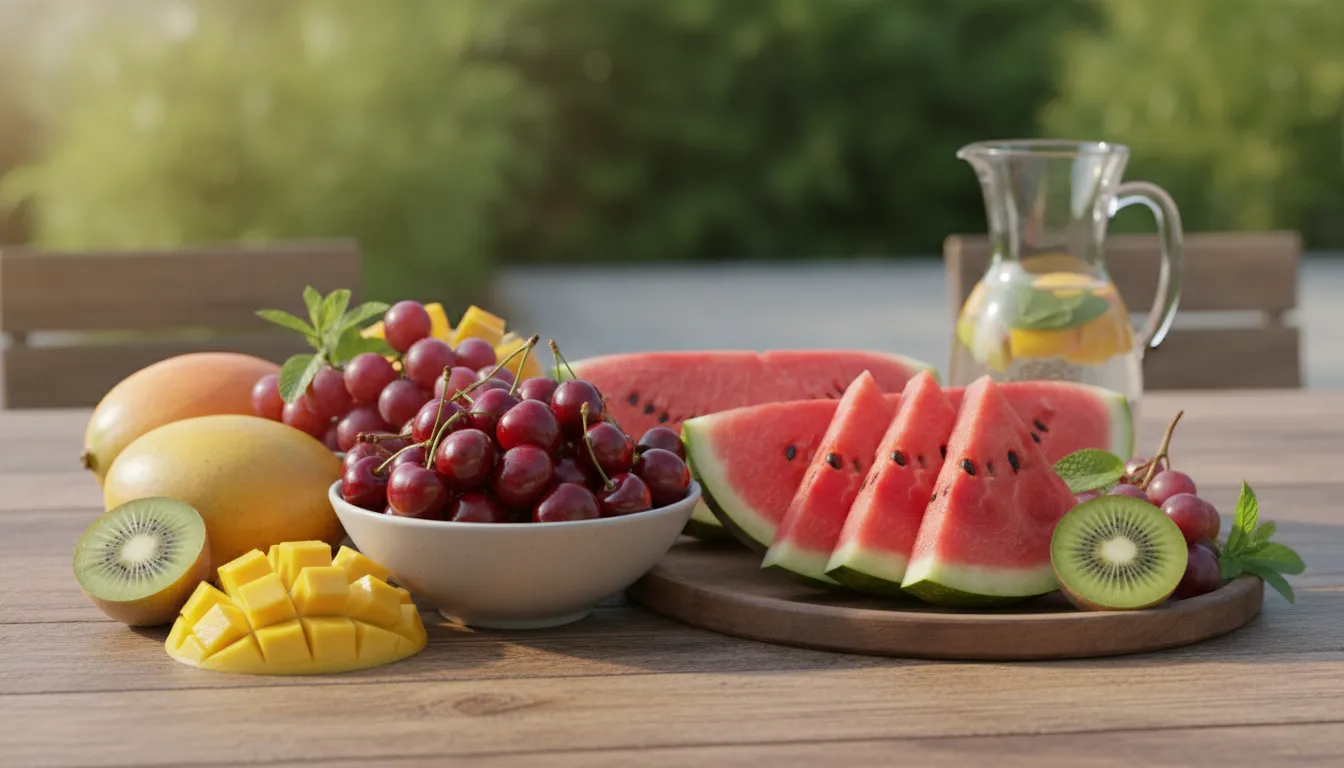
Summer Fruits and Blood Sugar: 7 Low-GI Fruits That Won’t Spike Your Glucose
Ah, summer! Just thinking about it makes my mouth water, picturing the sweet, colorful fruits that define the season. Having spent over a decade living in the vibrant neighborhoods of Seoul, the beautiful expanses of Canada, and the diverse communities of the US, I’ve experienced summer fruit cultures from so many different angles. Whether it’s grabbing a perfectly ripe peach from a roadside stand in Ontario, enjoying sweet watermelon at a family picnic in Texas, or snacking on crisp Korean plums, fruit is a universal language of joy.
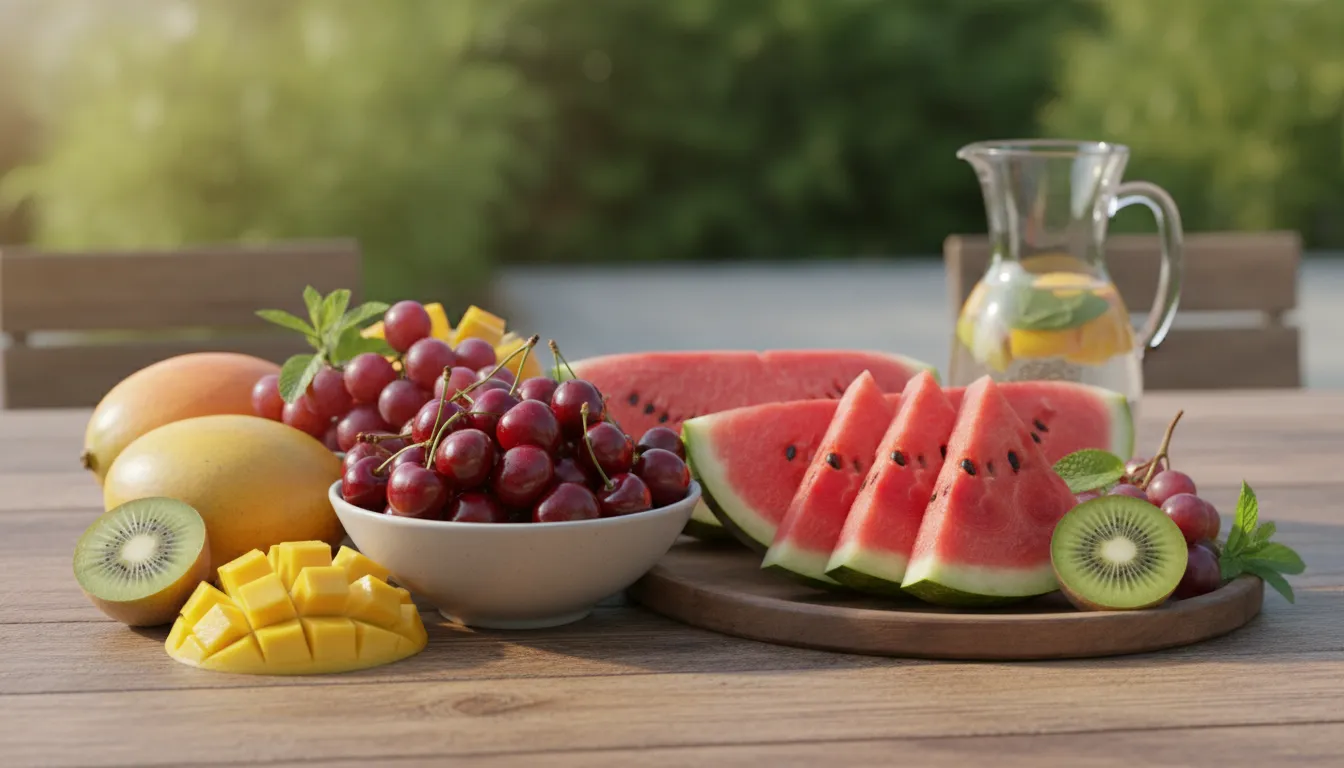
But I completely understand how you feel if you are managing your blood sugar. Summer fruits can sometimes feel like a forbidden temptation, right? You might catch yourself wondering if you should avoid all that natural sugar entirely, or how much you can safely eat without causing a sugar spike. I’ve met so many people struggling with these exact worries, and I want you to know you aren’t alone. Today, let’s put those fears aside! I’m going to share some realistic, expert-backed tips on how to enjoy summer fruits safely and happily. Let’s dive right in!
Why Glycemic Index and Glycemic Load Are Your Best Friends
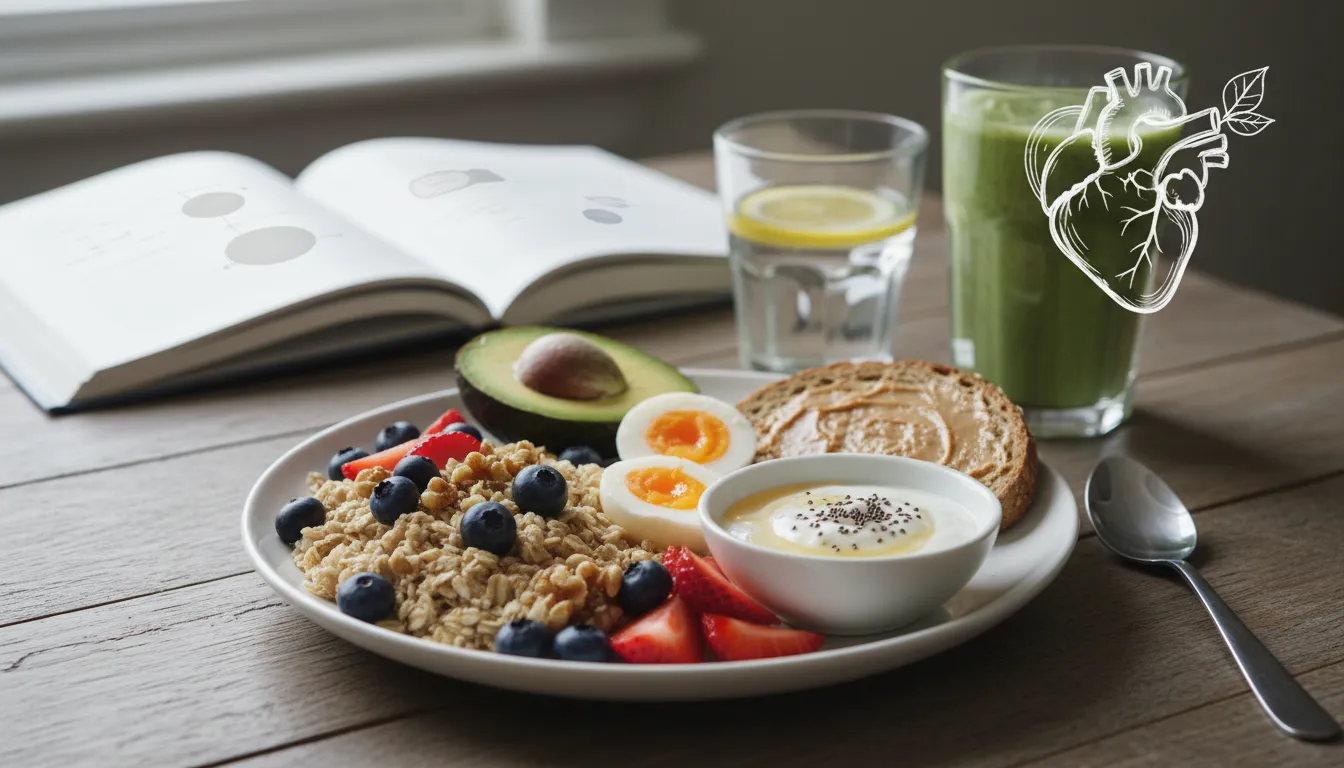
You might have heard that the sugar in fruit absorbs quickly into our bodies, potentially raising blood glucose levels. While that is true, not all fruits act the same way in our digestive system. This is where understanding the Glycemic Index (GI) and Glycemic Load (GL) becomes an absolute game-changer for your daily diet.
The Glycemic Index (GI) is a number that indicates how quickly a specific food raises your blood sugar. Fruits with a lower GI value are digested much more slowly, giving your body a steady release of energy rather than a sudden jolt. But we shouldn’t stop there! The Glycemic Load (GL) is even more practical. It multiplies the GI by the actual amount of carbohydrates in a typical serving size, then divides it by 100. This gives you a real-world picture of how a specific portion of fruit will affect you.
When I advise my friends and clients across North America and Korea, I always emphasize looking at the GL alongside dietary fiber. Fiber is your best friend because it slows down digestion and keeps your blood sugar stable. Also, remember to eat whole, fresh fruit instead of drinking fruit juices or eating dried fruits! Concentrated sugars in juices and dried snacks are the ultimate culprits for unwanted blood sugar spikes.
The Summer Fruit Avengers for Stable Blood Sugar

Let me introduce you to the absolute superstars of the summer fruit world. These fruits are generally safe and incredibly nutritious when you stick to the right portions.
First up is the tiny but mighty Blueberry. The American Diabetes Association even recognizes blueberries as a superfood! With a low GI of 53 and a fantastic GL of just 4, they are packed with anthocyanins that can actually help improve your insulin sensitivity. A handful, which is about half a cup or 70 to 80 grams, is the perfect daily portion. Try mixing them with plain, unsweetened Greek yogurt—the protein and fat will smooth out the sugar absorption even more!
Then we have the irresistible Peach. Whether you love the soft white peaches popular in Korea or the firm yellow ones from US farmers’ markets, they are packed with water and fiber. A white peach typically has a GI of 42 and a GL around 5. Eating one medium-sized peach, or two small nectarines, is a great choice. Just make sure to eat the skin for that extra fiber, and definitely avoid the canned ones swimming in sugary syrup!
Don’t forget about Plums and Cherries. Plums have a low GI of 40 and are rich in pectin, a soluble fiber that slows down blood sugar elevation while keeping your gut happy. Two or three small, slightly tart plums are ideal. Cherries are another incredible option with a super low GI of 22 and a GL of 3! Packed with antioxidants that reduce inflammation, enjoying about 20 to 25 fresh, firm cherries can be both delicious and safe for your heart.
And we can’t skip Tomatoes and Grapefruits. Tomatoes are absolute champions with a GL of less than 1. You can safely snack on 15 cherry tomatoes without a worry. Grapefruits are also fantastic, featuring a GI of 25. Half a grapefruit makes a lovely post-meal dessert. However, please be careful with grapefruit if you are taking blood pressure or cholesterol medications, as it can interact with them. Always check with your doctor first!
Tempting Fruits to Enjoy with Caution

Not all summer fruits are created equal, and some require a bit more portion control. Watermelon is the ultimate symbol of a hot summer day, isn’t it?! It’s incredibly refreshing, but its GI is quite high, sitting around 70. The good news is that because it’s mostly water, its GL is only about 4 per 100 grams. You don’t have to banish it from your life, but you do need to stick to a modest 150-gram portion—about one standard triangular slice. It might seem small, but it’s the safe zone!
Mangoes, the queens of tropical fruit, are another temptation. They are incredibly sweet and have a high sugar concentration, with a GI ranging from 51 to 56 and a GL up to 8. If you really crave a mango, just have a few small cubes to satisfy your taste buds rather than eating a whole one.
Golden Rules for a Sweet and Healthy Summer
To truly master fruit consumption, keep a few golden rules in your back pocket. First, embrace variety! Eating small amounts of different fruits is much better than gorging on just one type. Second, always check your blood sugar 1 to 2 hours after eating fruit. Everyone’s body reacts a little differently, and building your own personal data is the smartest thing you can do for your health.
If you happen to be managing kidney issues alongside blood sugar, please pay close attention to potassium levels. Fruits like blueberries and apples are lower in potassium. Peeling fruits or soaking them in water can also help reduce potassium content, but you absolutely must consult your healthcare provider about this. Finally, try to eat your fruit alongside a meal or as a small dessert, rather than on an empty stomach. This simple timing trick prevents rapid sugar absorption. Enjoy your summer with confidence and a happy, healthy plate 😊
20 Frequently Asked Questions About Summer Fruits and Blood Sugar
Q1. Should people managing blood sugar avoid summer fruits entirely?
A1. Not at all! If you choose fruits with a low Glycemic Index (GI) and Glycemic Load (GL), and stick to appropriate portion sizes, you can absolutely enjoy summer fruits. The secret lies in making smart choices and controlling the quantity.
Q2. Can I eat as much as I want if a fruit has a low GI?
A2. Unfortunately, no. Even if a fruit has a low GI, eating too much of it will increase your total carbohydrate intake, which will eventually raise your blood sugar. Always consider the GL and stick to recommended serving sizes.
Q3. Are fruit juices or dried fruits safe to consume?
A3. It’s best to avoid them. Juicing removes beneficial dietary fiber, causing the natural sugars to absorb very rapidly. Dried fruits have their water removed, which highly concentrates the sugar. Fresh, whole fruit is always your safest bet!
Q4. Can I ever eat fruits like watermelon or melon that aren’t on the “best” list?
A4. You don’t have to cut them out entirely. You can enjoy them in strictly controlled, very small portions. The most important thing is to test your blood sugar after eating them to see how your unique body reacts.
Q5. When is the best time of day to eat fruit?
A5. Eating fruit on an empty stomach can cause a quick spike in glucose. It is generally much better to eat fruit as part of a meal or as a small dessert 1 to 2 hours after a meal to slow down absorption.
Q6. Does eating blueberries with yogurt really help stabilize blood sugar?
A6. Yes, it certainly does! The protein and healthy fats in yogurt slow down the digestion and absorption of the fruit’s sugars. Just make sure you are using plain, unsweetened yogurt.
Q7. Why do I need to be careful with grapefruit if I take medication?
A7. Grapefruit contains compounds that can interfere with the enzymes that break down certain medications, including some statins, blood pressure drugs, and anti-anxiety meds. Always consult your pharmacist or doctor before eating grapefruit if you take prescription drugs.
Q8. Do I need to avoid all fruits if I have kidney issues along with blood sugar concerns?
A8. No, but you must strictly manage your potassium intake. Choose lower-potassium fruits like blueberries and apples, and consider peeling them. Your clinical dietitian should always guide your specific fruit choices.
Q9. Is it okay to eat fruit right before going to bed?
A9. It is generally not recommended. Eating fruit right before sleep can cause your blood sugar to rise while you are inactive, making it harder for your body to process the glucose overnight.
Q10. Do frozen fruits have the same nutritional value as fresh fruits?
A10. Yes! Fruits are typically frozen at their peak ripeness, preserving their vitamins and fiber. Just ensure you buy plain frozen fruit without any added sugar or syrups.
Q11. Are green apples better for blood sugar than red apples?
A11. Green apples (like Granny Smith) have slightly less sugar and a slightly higher fiber content compared to sweet red apples. They are a marginally better choice, though portion control remains the key for both.
Q12. Does blending fruit into a smoothie increase its GI?
A12. Yes, blending breaks down the physical structure of the fiber, which can cause the sugars to be absorbed more quickly than if you chewed the whole fruit. If you make a smoothie, add protein or greens to balance it.
Q13. Are strawberries a good choice for summer?
A13. Absolutely! Strawberries have a low GI and are packed with fiber and vitamin C. About one cup of whole strawberries is a very safe and delicious portion for most people.
Q14. How can I satisfy my sweet tooth without eating too much fruit?
A14. Try pairing a smaller portion of fruit with a handful of nuts, like almonds or walnuts. The healthy fats and protein make the snack more satisfying and help curb further sugar cravings.
Q15. Are organic fruits better for blood sugar?
A15. Whether a fruit is organic or conventionally grown does not change its sugar content, GI, or GL. Organic refers to farming practices, so they affect blood sugar in exactly the same way.
Q16. Can I use fruit as a pre-workout snack?
A16. Yes! A small piece of fruit can provide a quick, natural source of energy before a workout. Since you will be exercising, your muscles will utilize the glucose efficiently.
Q17. Is it true that the riper the fruit, the higher the sugar?
A17. Yes, as fruits ripen, their complex starches break down into simpler sugars, which increases their GI. Choosing a fruit that is just ripe, rather than overripe and mushy, is better for your blood sugar.
Q18. Are canned fruits rinsed in water safe to eat?
A18. Rinsing canned fruits can remove some of the surface syrup, but a lot of the sugar has already soaked into the fruit’s flesh. It is always much safer to choose fresh or plain frozen fruit.
Q19. Do lemons and limes affect blood sugar?
A19. Lemons and limes contain very minimal carbohydrates and sugar. Adding a squeeze of lemon or lime juice to your water or meals will not spike your blood sugar and adds great flavor!
Q20. How long after eating fruit should I test my blood sugar?
A20. To understand how a specific fruit affects you, it is best to test your blood glucose about 1.5 to 2 hours after taking your first bite. This will show you your post-meal peak.