In the quiet transition from the biting chill of winter to the first tender whispers of spring, the hillsides and hidden paths of the Korean peninsula undergo a subtle transformation. Long before the flashy cherry blossoms steal the spotlight, a resilient, silver-green herb emerges from the thawing earth. This is Mugwort—known locally as Ssuk. It is not merely a plant; it is a cultural icon, a grandmother’s remedy, and a culinary treasure that has sustained generations. For those seeking a holistic approach to wellness, a “Pure Detox” doesn’t come from a laboratory, but from this humble, aromatic herb that carries the scent of the earth itself.
In this comprehensive guide, we will explore the multifaceted world of Korean Mugwort. From its profound benefits for women’s health and its rising status in the global skincare industry to the comforting rituals of tea and the modern twist of herbal baking, you will discover why this “diamond in the rough” is the ultimate tool for a balanced, detoxified lifestyle.
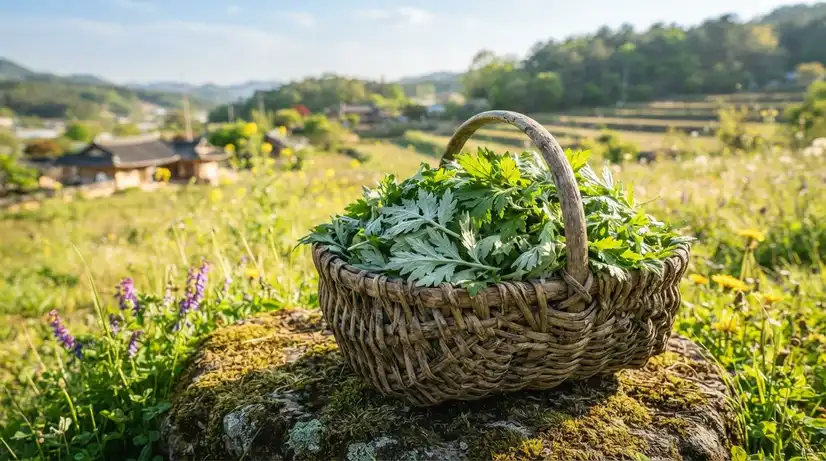
The Spirit of Korean Mugwort: More Than Just a Plant
To understand Ssuk, one must understand the philosophy of “warmth” in traditional Eastern wellness. In many cultures, health is viewed through the lens of balance—specifically the balance between internal heat and cold. Mugwort is celebrated as a “warm” herb. It is believed to possess the unique ability to stoke the internal fires of the body, improving circulation and dispelling the “coldness” that often leads to stagnation and discomfort.
When you walk through a traditional market during the early months of the year, the air is thick with the scent of Ssuk. It is a fragrance that is difficult to describe but impossible to forget: earthy, slightly peppery, and deeply herbaceous, with a hint of cooling mint at the end. This aroma alone is said to clear the mind. For centuries, Korean families have foraged for these leaves, knowing that the youngest shoots of spring hold the highest concentration of nutrients and the most delicate flavor.
As a detoxifying agent, Mugwort works from the inside out. It is packed with Vitamin A, Vitamin C, and essential minerals that support the liver—the body’s primary detox organ. By assisting the liver in processing toxins, Mugwort helps clear the bloodstream and revitalize the entire system. This is the essence of a “Pure Detox”: supporting the body’s natural functions with the potent simplicity of nature.
A Sanctuary for Women’s Health: Nature’s Warm Embrace
Perhaps the most revered role of Korean Mugwort is its contribution to women’s health. In traditional practices, it has long been the “best friend” of women navigating the various stages of life. The warming properties of Ssuk are particularly effective in treating what is often referred to as a “cold uterus.”
Many women experience discomfort during their monthly cycles, often characterized by sharp pains, irregular timing, or a general sense of fatigue. Mugwort acts as an emmenagogue, meaning it stimulates blood flow in the pelvic area and uterus. By promoting healthy circulation, it helps alleviate the cramping and stagnation that cause menstrual pain. It is common practice to consume Ssuk in various forms—from soups to concentrated juices—to regulate the cycle and bring the body back into its natural rhythm.
Beyond the physical benefits, there is a ritualistic aspect to using Mugwort for health. Whether it is a warm cup of tea or a traditional sitz bath infused with the herb, the process encourages a moment of stillness and self-care. In a world that often demands we move faster, the “Ssuk lifestyle” invites us to slow down and listen to our bodies, providing a sanctuary of warmth and healing.
Radiant Skin Through Herbal Wisdom: The Pure Detox
In recent years, the global beauty industry has turned its eyes toward the “K-Beauty” secrets of the past, and Mugwort has emerged as a superstar ingredient. While many trending ingredients focus on aggressive exfoliation or chemical brightening, Mugwort is all about soothing and restoration.
The skin is our largest organ and the first line of defense against environmental toxins. When our internal systems are stressed, it often shows up on our faces as inflammation, redness, or breakouts. Mugwort’s potent anti-inflammatory and antibacterial properties make it a natural remedy for sensitive and acne-prone skin. It works by calming the skin’s “angry” response to irritants and promoting the healing of damaged tissue.
Furthermore, Mugwort is an exceptional brightener. This isn’t through bleaching, but through purification. By improving local circulation and providing a rich dose of antioxidants, it helps clear away the dullness caused by pollution and stress, leaving the complexion looking “transparent” and refreshed.
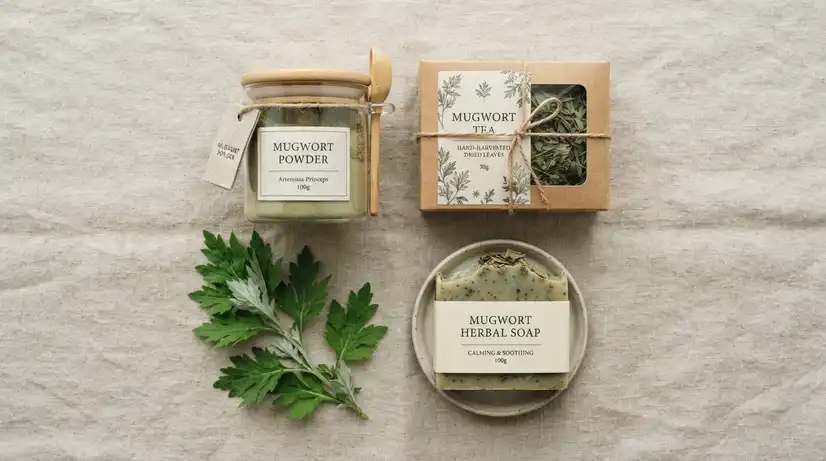
For a DIY “Pure Detox” facial, you can utilize Mugwort powder. Mixing the powder with a bit of plain yogurt or water creates a powerful mask that draws out impurities while pumping moisture back into the skin. If you’ve spent too much time in the sun or your skin feels tight and reactive, a compress soaked in concentrated mugwort tea can provide instant relief, acting as a natural fire extinguisher for skin irritation.
Mastering the Art of Ssuk Tea: A Ritual for the Soul
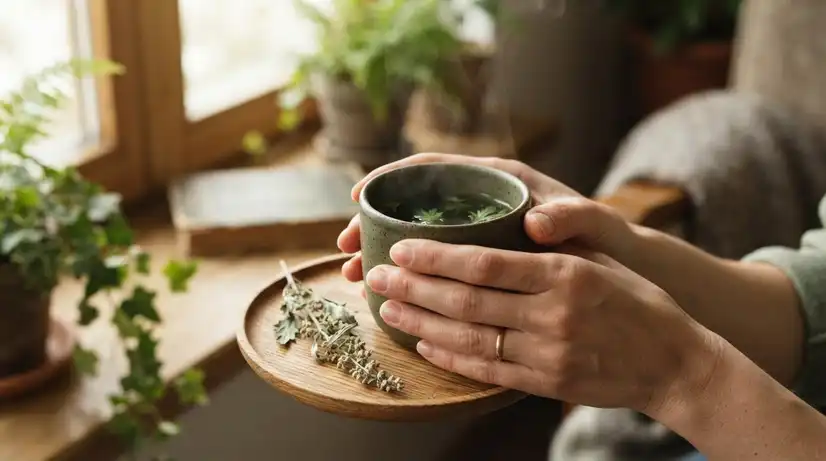
If you are looking for the simplest way to incorporate this herb into your daily routine, Mugwort tea (Ssuk-cha) is the answer. Brewing a cup is more than just making a drink; it is a sensory experience that grounds you in the present moment.
The Basic Brew
To make a standard cup of Mugwort tea, you can use either dried leaves or a high-quality powder.
1. Prepare the Herb: If using dried leaves, place about one teaspoon in a tea infuser.
2. The Water: Use water that has just come off the boil (around 90°C). Pouring boiling water directly on delicate herbs can sometimes scorch the leaves, leading to an overly bitter taste.
3. The Steep: Let it steep for 5 to 10 minutes. The water will turn a beautiful, deep amber-green.
4. The Finish: While the tea is delicious on its own, a small drizzle of local honey or a thin slice of lemon can balance the herbal bitterness, making it a soothing treat for any time of day.
The Iced Detox
For a refreshing summer version, brew a concentrated batch of the tea and let it cool. Pour it over ice and add a few sprigs of fresh mint or a splash of sparkling water. It is an incredibly effective way to stay hydrated while reaping the digestive benefits of the herb. Drinking Mugwort tea after a heavy meal is a well-known secret for preventing bloating and aiding digestion, as the bitter compounds stimulate the production of digestive enzymes.
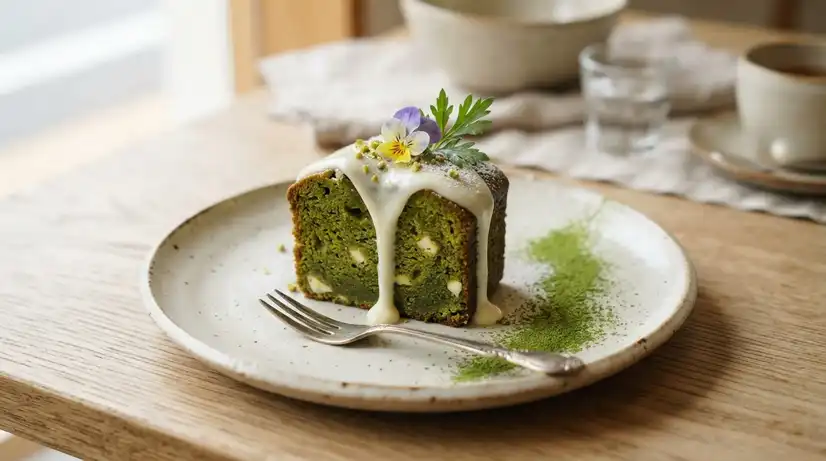
Whisking Tradition into Modernity: The Mugwort White Chocolate Pound Cake
One of the most exciting developments in the world of Ssuk is its migration from traditional rice cakes into the realm of modern baking. The deep, earthy flavor of Mugwort is the perfect foil for sweetness, much like Matcha but with a more rustic, herbal profile.
The Mugwort White Chocolate Pound Cake has become a favorite in boutique cafes, and it is surprisingly easy to make at home. The key to this recipe is the marriage of the “bitter” herb and the “creamy” fat of white chocolate.
Ingredients
- All-purpose flour or cake flour
- High-quality Mugwort powder
- Unsalted butter (room temperature)
- Sugar and a touch of honey
- Eggs (room temperature)
- A splash of whole milk
- Baking powder
- White chocolate chunks
The Process
The secret to a perfect pound cake lies in the aeration of the butter. Cream the butter and sugar until the mixture is pale and fluffy—this provides the structure. When adding the eggs, do so one at a time to prevent the batter from curdling.
The real magic happens when you fold in the dry ingredients. Sift the flour and Mugwort powder together to ensure an even, vibrant green color throughout the cake. Finally, fold in the white chocolate chunks. As the cake bakes, the chocolate melts into small pockets of sweetness that contrast beautifully with the herbal notes of the Ssuk.
Pro Tip: This cake is a “patience tester.” While it smells heavenly straight out of the oven, it is best enjoyed the next day. Allowing the cake to rest at room temperature wrapped in plastic wrap allows the moisture to redistribute and the Mugwort fragrance to deepen significantly.
The Versatility of Mugwort Powder: From Lattes to Daily Life
Mugwort powder is perhaps the most convenient way to keep this herb in your pantry year-round. It is a concentrated form of the plant’s essence, making it an incredibly versatile “superfood” additive.
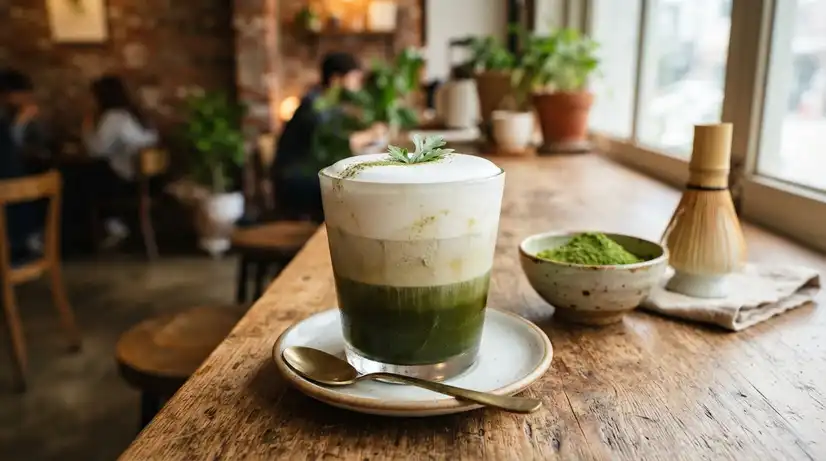
The Modern Ssuk Latte
Move over, lattes of the past—the Ssuk Latte is here to stay. By whisking a teaspoon of Mugwort powder with a little hot water and honey into a paste, then topping it with steamed oat or dairy milk, you create a drink that is both comforting and functionally healthy. It has a “green” taste that feels cleaner and more grounded than many other flavored lattes.
Culinary Creativity
Don’t limit the powder to drinks and sweets. In a traditional kitchen, a spoonful of Mugwort powder is often added to doughs for handmade noodles (Kalguksu) or dumplings (Sujab-i). It gives the dough a stunning emerald hue and a subtle fragrance that elevates a simple bowl of soup into a gourmet experience.
Even in your daily beauty routine, a pinch of the powder added to your foaming cleanser can provide a gentle, anti-inflammatory boost to your morning wash. It is the ultimate multi-tasker for anyone pursuing a “Pure Detox” lifestyle.
The Journey to a Balanced Life
Embracing the world of Korean Mugwort is about more than just trying a new ingredient; it is about adopting a perspective of wellness that values resilience, warmth, and purification. Whether you are sipping a hot cup of tea to soothe your soul, applying a mask to calm your skin, or baking a cake to share with loved ones, you are participating in a tradition that has celebrated the healing power of the earth for millennia.
As you incorporate Ssuk into your life, notice the subtle shifts. Notice the warmth in your core, the clarity in your skin, and the quiet joy found in the herbal aroma filling your kitchen. This is the true meaning of a “Pure Detox”—a return to the roots, a celebration of the seasons, and a commitment to nurturing yourself with the very best that nature has to offer.
💡 Curious about Korean Temple Cuisine?
Discover the ultimate guide to easy, soul-soothing vegan recipes for your daily life.
Go check this out ↗
FAQ
Q: What does Korean Mugwort (Ssuk) taste like?
A: It has a unique, complex flavor profile that is primarily earthy and herbaceous. There is a noticeable bitterness that is pleasant rather than sharp, often followed by a subtle sweetness and a cooling, mint-like finish.
Q: Is Mugwort tea safe to drink every day?
A: For most people, drinking one or two cups of Mugwort tea daily is safe and beneficial. However, because it can stimulate blood flow in the uterus, pregnant women should consult their doctor before consuming it.
Q: Can Mugwort help with acne?
A: Yes, its strong anti-inflammatory and antibacterial properties make it excellent for calming redness and clearing the bacteria that contribute to acne breakouts.
Q: How do I store Mugwort powder to keep it fresh?
A: Like most herbal powders, it should be kept in an airtight container in a cool, dark, and dry place. For long-term storage, keeping it in the refrigerator or freezer can help preserve its vibrant color and aroma.
Q: Is there a difference between Korean Mugwort and other varieties?
A: While various types of mugwort grow globally, Korean Mugwort (Artemisia princeps) is specifically prized for its high concentration of essential oils and its culinary use, as it tends to be more aromatic and less woody than some Western varieties.
Q: How do I use Mugwort powder in a facial mask?
A: Mix 1 teaspoon of powder with 1-2 teaspoons of water, honey, or plain yogurt to create a paste. Apply to clean skin, leave for 10-15 minutes, and rinse with lukewarm water.
Q: Why is Mugwort considered good for women’s health?
A: It is traditionally used to “warm” the body and improve circulation, which helps regulate menstrual cycles and alleviate symptoms like cramps and cold extremities.
Q: Can I use fresh Mugwort found in my backyard?
A: You must be extremely careful to identify the plant correctly and ensure it hasn’t been treated with pesticides or grown in polluted soil. It is usually safer to purchase from a reputable source.
Q: Does Mugwort contain caffeine?
A: No, Mugwort is naturally caffeine-free, making it an excellent choice for a calming evening beverage.
Q: What can I substitute for Mugwort powder in baking?
A: While the flavor is unique, Matcha powder is the closest substitute in terms of color and “green” flavor, though the herbal notes will be different.

Written by WhatIneed.kr
Having lived in South Korea, the US, and Canada, I love experiencing and exploring diverse cultures and dietary habits. As a dedicated food guide, I explore the rich traditions of Korean cuisine, specializing in authentic home cooking, traditional fermentation, and peaceful Korean temple food.