Food is more than just sustenance; it is a bridge between nature and our well-being. Deep beneath the surface of pond waters, a remarkable vegetable grows, often overlooked by those unfamiliar with its unique beauty and texture. This “hidden treasure in the mud” is known as Yeon-geun (연근, lotus root). Characterized by its beautiful, wheel-like pattern and its satisfying, audible crunch, lotus root has been a staple in East Asian kitchens for centuries. Today, as the world moves toward more plant-based, high-fiber, and gut-healthy diets, this humble rhizome is reclaiming its spotlight on the global stage.
Whether you are looking for a delicious way to manage your weight, seeking to improve your digestive health, or simply wanting to add variety to your Banchan (반찬, side dishes) repertoire, lotus root is an ingredient that delivers on all fronts. In this comprehensive guide, we will explore the multifaceted health benefits of lotus root and provide three approachable, restaurant-quality recipes that you can easily replicate in your own kitchen.
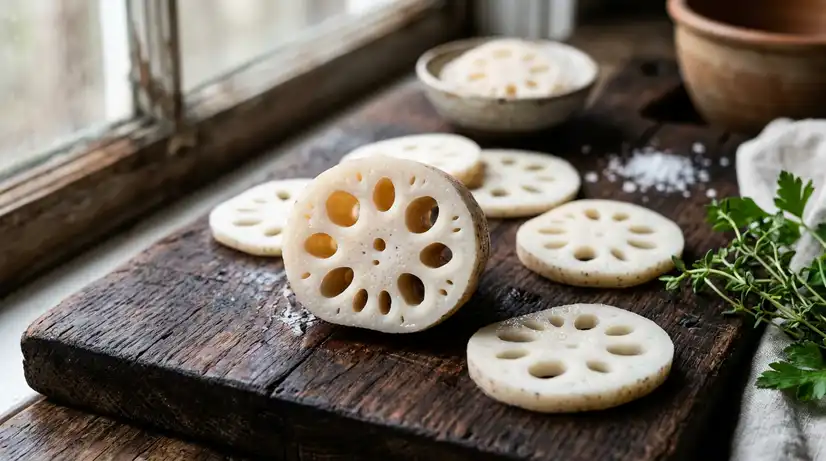
The Science of Crunch: Digestive Health and Mucin
One of the most distinctive features of Yeon-geun (연근, lotus root) is the slightly sticky, stringy substance that appears when you snap it in half or slice it thin. This is not a sign of spoilage; rather, it is a nutritional goldmine. This viscous substance is called Mucin (뮤신, a complex glycoprotein).
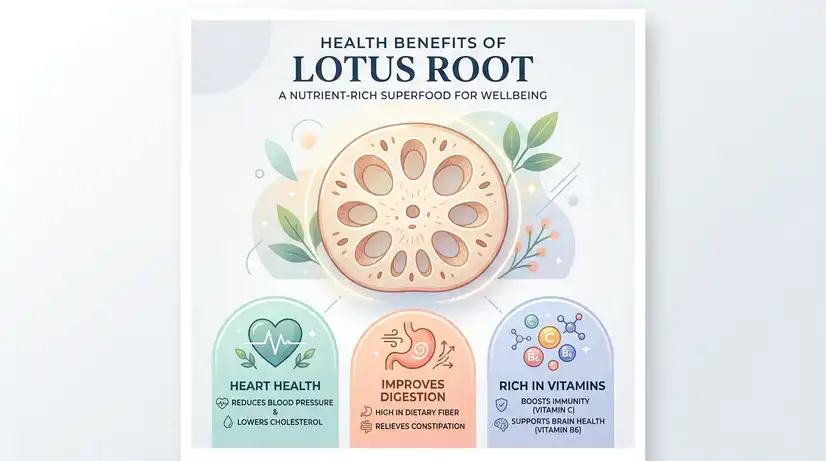
In the world of holistic health and nutrition, Mucin is highly prized for its ability to protect the gastrointestinal tract. When consumed, it acts as a soothing coating for the stomach lining, helping to neutralize excess stomach acid and protecting the mucous membranes from irritation. This makes lotus root an excellent dietary choice for individuals who suffer from occasional gastritis, stomach ulcers, or general digestive sensitivity.
Beyond just protection, Mucin assists in the efficient digestion of proteins. When you pair lotus root with a protein-heavy meal—perhaps alongside some grilled meats or tofu—the enzymes and mucilage work together to ensure your body breaks down those nutrients more effectively. It is nature’s own digestive aid, wrapped in a crunchy, delicious package.
A High-Fiber Ally for Weight Loss and Gut Wellness
If your goal is weight management or simply maintaining a healthy gut microbiome, fiber is your best friend. Lotus root is an exceptional source of dietary fiber, particularly insoluble fiber. In a standard 100g serving, you are looking at roughly 67 to 70 calories, making it a low-energy-density food that provides high satiety.
The insoluble fiber found in Yeon-geun (연근, lotus root) adds bulk to the stool and stimulates the peristaltic motion of the intestines. This is crucial for preventing constipation and ensuring that toxins are moved out of the body efficiently. For those living a modern lifestyle where processed foods often lead to a “sluggish” gut, incorporating high-fiber roots like this can be a total game-changer.
Furthermore, lotus root contains specialized compounds like tannins. While we often associate tannins with the dry finish of a fine red wine, in lotus root, they play a different role. Studies suggest that these tannins can help inhibit the absorption of certain fats in the digestive tract, further supporting weight loss efforts. When you combine this with the sheer volume of fiber that keeps you feeling full for hours, it’s clear why lotus root is a favorite among those who want to eat heartily while staying lean.
Immunity and Vitality: More Than Just Fiber
When we think of Vitamin C, we usually think of oranges or lemons. However, lotus root is a surprisingly potent source of this essential antioxidant. In fact, gram for gram, it can contain more than twice the amount of Vitamin C found in apples.
The beauty of the Vitamin C in Yeon-geun (연근, lotus root) lies in its stability. Because the vitamin is bound within the starchy matrix of the root, it tends to be more heat-resistant than the Vitamin C found in leafy greens. This means that even after boiling or stir-frying, a significant portion of the nutritional value remains intact. Vitamin C is paramount for collagen production—giving you that healthy skin glow—and for strengthening the immune system against seasonal illnesses.
Additionally, the iron and copper content in lotus root is noteworthy. These minerals are the building blocks of red blood cells. Regular consumption can help improve blood circulation and prevent anemia, which is often characterized by fatigue and cold extremities. For individuals who find themselves feeling drained by the end of the day, a boost in these essential minerals through natural food sources can revitalize their energy levels.
Mastering the Prep: The Secret of Vinegar
Before we dive into the recipes, there is one crucial technique every home cook must know when dealing with lotus root. Because of its high tannin and starch content, the flesh of the root oxidizes quickly when exposed to air, turning an unappealing grayish-brown.
To maintain that pristine, ivory-white color and to remove any residual “earthy” bitterness, always prepare a bowl of “vinegar water.” A simple mixture of 500ml water and 1 tablespoon of white vinegar is all you need. As soon as you peel and slice the root, drop the pieces into this solution.
For many recipes, a quick blanching step—boiling the slices in vinegar-spiked water for about 30 seconds to a minute—is recommended. This sets the color and ensures the texture is perfectly balanced between tender and crisp.
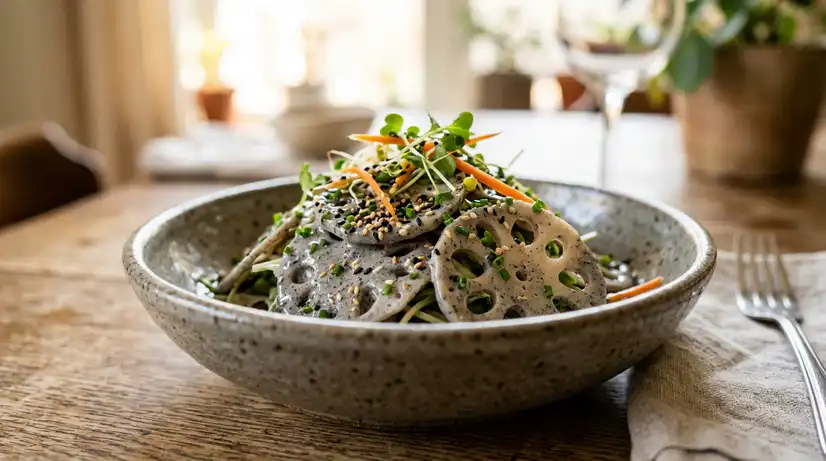
Recipe 1: Black Sesame Lotus Root Salad (Heuk-im-ja Yeon-geun Salad)
This dish is a favorite in high-end Korean traditional restaurants. It is incredibly refreshing, creamy, and nutty, making it an ideal starter or a light snack for those watching their calories.
Ingredients:
* 1 medium lotus root (approx. 300g)
* 2.5 tbsp Mayonnaise (or Greek yogurt for a lighter version)
* 1 tbsp Fresh lemon juice
* 0.5 tbsp Allulose (or honey)
* 1 tbsp Ground black sesame seeds (Heuk-im-ja)
* A pinch of salt
Instructions:
1. Peel the lotus root and slice it into very thin rounds (about 2mm thick).
2. Bring a pot of water to a boil with 1 tablespoon of vinegar. Blanch the slices for only 10-20 seconds. You want them to lose their “raw” starchiness but retain a loud, satisfying crunch.
3. Immediately shock the slices in ice-cold water, then drain and pat them completely dry with a paper towel.
4. In a large bowl, whisk together the mayonnaise, lemon juice, allulose, and ground black sesame seeds.
5. Toss the dried lotus root slices into the dressing until every piece is beautifully coated in the charcoal-grey, nutty sauce. Serve chilled.
Recipe 2: Sweet & Salty Braised Lotus Root (Yeon-geun-jorim)
This is the quintessential Banchan (반찬, side dish) found in almost every Korean household. It is the perfect balance of savory soy sauce and a sweet glaze, with a texture that becomes slightly more “chewy” the longer it is simmered.
Ingredients:
* 300g Sliced lotus root (0.5cm thickness)
* 300ml Water
* 10 tbsp Soy sauce
* 7 tbsp Sugar
* 5 tbsp Oligosaccharide (or corn syrup/maple syrup)
* 1 tbsp Toasted sesame oil
* 1 tbsp Toasted sesame seeds
Instructions:
1. After slicing the lotus root, boil it in water with a pinch of salt and a splash of vinegar for 15 minutes. This longer boil ensures the root is tender enough to absorb the braising liquid. Rinse in cold water.
2. In a wide pot or deep skillet, combine the water, soy sauce, and sugar. Add the pre-boiled lotus root.
3. Bring to a boil over high heat, then reduce to medium. Let it simmer until the liquid is reduced by half.
4. Add the oligosaccharide (this provides the signature glossy shine). Continue to simmer on low heat, stirring occasionally, until the sauce is thick and syrupy, coating each slice like a dark amber glaze.
5. Turn off the heat, stir in the sesame oil, and sprinkle generously with toasted sesame seeds. This dish tastes even better the next day!
Recipe 3: Pan-Fried Lotus Root Pancakes (Yeon-geun-jeon)
If you are looking for a comforting, warm dish that feels like a treat, Yeon-geun-jeon (연근전) is the answer. It’s “crispy on the outside, crunchy on the inside.”
Ingredients:
* 1 medium lotus root
* 2 Large eggs
* 1/2 cup Potato starch (or all-purpose flour)
* 1 Finely chopped red chili or some perilla leaves (for color)
* A pinch of salt and pepper
* Vegetable oil for frying
Instructions:
1. Slice the lotus root into 0.5cm thick rounds. Blanch in vinegar water for 2 minutes and pat dry.
2. Season the slices lightly with salt and pepper.
3. Dredge each slice in potato starch, shaking off the excess.
4. Beat the eggs in a bowl and mix in the chopped chili or herbs.
5. Dip the starched lotus root into the egg wash.
6. Heat oil in a non-stick pan over medium heat. Place the slices in the pan. A pro-tip: use a spoon to pour a little extra egg wash into the holes of the lotus root to create a beautiful, solid pancake.
7. Fry until golden brown on both sides (about 2-3 minutes per side). Serve warm with a side of simple soy-vinegar dipping sauce.

Selection and Storage: Keeping the Freshness
When shopping for Yeon-geun (연근, lotus root) at your local market or Asian grocery store, look for roots that feel heavy for their size and have a firm, taut skin. Avoid any that have soft spots, deep bruising, or a slimy feel. The color should be a light tan, similar to a potato.
Storage Tips:
* Unwashed/Whole: If the root still has some soil on it, wrap it in a damp paper towel and then in newspaper or plastic wrap. Store it in the vegetable crisper drawer of your refrigerator. It should stay fresh for about a week.
* Peeled/Sliced: Once the skin is removed, the root is vulnerable to the air. If you aren’t using it immediately, submerge it completely in a container of vinegar water and keep it in the fridge. Change the water every day or two, and it will last for 3-4 days.
Lotus root is more than just a vegetable; it is a testament to how the most unlikely places—the mud at the bottom of a pond—can produce something of immense beauty and health. By incorporating this crunchy, fiber-rich ingredient into your weekly meal prep, you are not just making delicious Banchan (반찬); you are investing in your long-term digestive health and vitality.

💡 Curious about Korean Temple Cuisine?
Discover the ultimate guide to easy, soul-soothing vegan recipes for your daily life.
Go check this out ↗
FAQ
Q: Can I eat lotus root raw?
A: While technically edible, raw lotus root can be quite bitter and contains a high amount of starch that might be difficult for some to digest. It is highly recommended to at least blanch it in vinegar water to improve the flavor and texture.
Q: What does lotus root actually taste like?
A: The flavor is very mild and slightly sweet, similar to a water chestnut or a very mild potato. Its primary appeal is the texture—a unique, crisp crunch that remains even after cooking.
Q: Is lotus root good for people with diabetes?
A: Yes, lotus root has a relatively low glycemic index and is high in fiber, which helps regulate blood sugar levels by slowing down the absorption of carbohydrates.
Q: Why is my lotus root turning purple or black when I cook it?
A: This is due to a reaction between the tannins in the root and iron cookware. To prevent this, use stainless steel or non-stick pans, and always use the vinegar blanching method before cooking.
Q: Can I freeze lotus root for later use?
A: Yes, but it’s best to blanch it first. Slice the root, blanch in vinegar water for 1 minute, shock in cold water, dry thoroughly, and then freeze in an airtight bag. It may lose some of its raw crunch but is perfect for soups and braises.
Q: Is the skin of the lotus root edible?
A: The skin is technically edible but can be quite tough and may have a bitter, earthy taste. Most people prefer to peel it using a standard vegetable peeler for a better culinary experience.
Q: Where can I find lotus root if my local grocery store doesn’t carry it?
A: Most Asian supermarkets (especially those specializing in Korean, Chinese, or Japanese foods) carry fresh lotus root year-round. You can also find it canned or sliced in frozen sections.
Q: Does lotus root help with bloating?
A: Because of its high fiber and Mucin content, it generally aids digestion. However, if your body isn’t used to high fiber, start with small portions to allow your gut bacteria to adjust.
Q: Are the holes in the lotus root used for anything specific in cooking?
A: Aside from being decorative, the holes are perfect for stuffing! In some traditional recipes, the holes are filled with glutinous rice or ground meat before being steamed or fried.
Q: Can I use lotus root in Western-style dishes?
A: Absolutely! Thinly sliced lotus root makes incredible vegetable chips when baked or air-fried. It can also be added to stews or salads for a surprising textural element.

Written by WhatIneed.kr
Having lived in South Korea, the US, and Canada, I love experiencing and exploring diverse cultures and dietary habits. As a dedicated food guide, I explore the rich traditions of Korean cuisine, specializing in authentic home cooking, traditional fermentation, and peaceful Korean temple food.