As the frost thaws and the first whispers of spring air drift through the valleys, there is a particular scent that signals the changing of the seasons in the Korean peninsula. It isn’t just the cherry blossoms or the Forsythia; it is the earthy, slightly bitter, and deeply aromatic fragrance of wild mountain greens. Among these, one stands supreme, often hailed as the “King of Mountain Herbs”—Chwinamul (Aster Scaber).
For those of us who have spent decades navigating the aisles of global supermarkets, from the sprawling H-Marts of the East Coast to the local farmer’s markets in the Pacific Northwest, finding that specific “taste of home” can be a culinary quest. Chwinamul is more than just a side dish; it is a nutritional powerhouse and a cultural touchstone that embodies the essence of “Yaksik-dongwon” (the philosophy that food and medicine share the same root).
In this comprehensive guide, we will explore everything you need to know about this remarkable wild green, from its complex flavor profile and incredible health benefits to easy, soul-warming recipes you can recreate in your own kitchen.
What is Aster Leaf (Chwinamul)? The King of Wild Mountain Greens
Chwinamul refers to a variety of leafy flowering plants in the Aster family, but when Koreans speak of it, they are most often referring to Cham-chwi (Aster scaber). In the wild, these perennials thrive in the shaded, moist soils of mountain slopes, absorbing the minerals of the earth to produce heart-shaped leaves with jagged edges.
The beauty of Chwinamul lies in its resilience. It is one of the first greens to emerge as the snow melts, offering a burst of life-sustaining nutrients to those coming out of a long winter. While it is now cultivated year-round in greenhouses, the “true” Chwinamul is traditionally harvested between March and May. This wild-harvested variety carries a much deeper, more concentrated aroma that fills the kitchen the moment it hits the pan.
In the culinary world, Chwinamul is prized for its versatility. It can be eaten fresh as a wrap (Ssam), blanched and seasoned (Namul), or dried to be enjoyed during the winter months. Its ability to retain its structural integrity and bold flavor even after drying and re-hydrating makes it a pantry staple for anyone serious about Korean temple food or traditional home cooking.

A Flavor Profile Like No Other: Bitter, Earthy, and Nutritious
If you are new to Korean wild greens, the taste of Chwinamul might be a revelation. Unlike the neutral sweetness of spinach or the sharp peppery bite of arugula, Chwinamul offers a sophisticated, multi-layered experience.
First, there is the aroma. It is piney, woody, and distinctly “green.” When you blanch Chwinamul, the steam carries a scent that reminds many of a walk through a damp forest. Then comes the taste. It has a pleasant bitterness—what Koreans call ssapssareum-han mat. This bitterness isn’t overwhelming; rather, it acts as a palate cleanser, cutting through the richness of grilled meats or oily dishes.
As you chew, the bitterness gives way to a subtle, nutty sweetness and a deep umami finish. This is why Chwinamul is often the secret ingredient in the best Bibimbap bowls. It provides a structural and flavorful foundation that bridges the gap between the spicy Gochujang and the neutral rice.
The Superfood of the Orient: Remarkable Health Benefits and Anti-inflammatory Properties
In the world of functional foods, Chwinamul is a hidden gem. Long before modern science analyzed its chemical makeup, it was used in traditional medicine (referred to as Dong-pung-chae) to treat respiratory issues and promote blood circulation. Today, we know that its benefits are backed by a rich nutritional profile.
Powerful Anti-inflammatory and Pain Relief
Chwinamul is loaded with polyphenols and flavonoids, which are potent antioxidants. These compounds help reduce oxidative stress and inflammation in the body. For those dealing with chronic inflammation or looking for natural ways to support joint health, incorporating mountain herbs like Aster scaber into the diet can be highly beneficial.
Potassium and Sodium Detoxification
One of the most standout features of Chwinamul is its exceptionally high potassium content. In a modern diet often overloaded with sodium, potassium is essential for flushing out excess salt, reducing bloating (edema), and managing blood pressure. It acts as a natural diuretic, helping to maintain a healthy cardiovascular system.
Bone Health and Vision
Rich in calcium and vitamin A (in the form of Beta-carotene), Chwinamul supports bone density and eye health. A single serving provides a significant portion of the daily recommended intake of Vitamin K, which is crucial for blood clotting and bone metabolism.
Digestive Wellness
Like most wild greens, it is packed with dietary fiber. This not only aids in digestion and prevents constipation but also promotes a feeling of fullness, making it an excellent addition to a weight-management-focused lifestyle.
Master the Prep: How to Cook and Prepare Fresh Aster Scaber
Preparing Chwinamul requires a bit of finesse to balance its natural bitterness and tough fibrous stems. Whether you have sourced it fresh from a local market or found a bag of high-quality dried leaves, here is how to handle it like a professional.
Working with Fresh Chwinamul
Fresh leaves are delicate yet sturdy.
1. Cleaning: Rinse the leaves thoroughly in cold water 2-3 times to remove any mountain soil or grit.
2. Trimming: Pinch off any stems that feel excessively woody or tough.
3. Blanching: This is the most crucial step. Bring a large pot of water to a boil and add a generous pinch of sea salt. The salt helps preserve the vivid green color. Submerge the Chwinamul for about 90 seconds to 2 minutes. If the stems are thick, you might need an extra 30 seconds.
4. Shocking: Immediately transfer the greens to an ice-water bath. This stops the cooking process and keeps the texture “al dente.” Squeeze out the excess water firmly, but don’t crush the leaves.
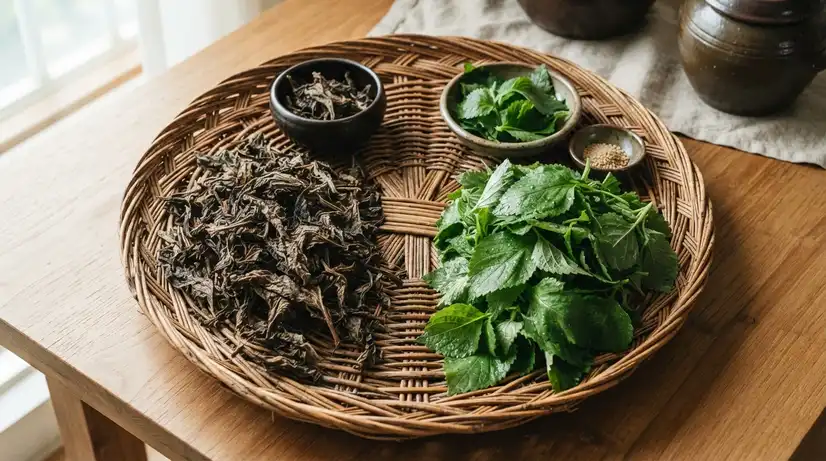
The Magic of Dried Chwinamul (Mal-rin Chwinamul)
Many believe the dried version is even more flavorful than the fresh one.
1. Soaking: Soak the dried herbs in room temperature water for at least 3 to 6 hours (overnight is best).
2. Boiling: Boil the soaked herbs in fresh water for 20-30 minutes until the stems are tender.
3. Resting: Let them sit in the hot water as it cools down to further soften the fibers. Rinse thoroughly before seasoning.
Traditional Meets Modern: Easy and Delicious Korean Herbal Recipes
Now that you’ve prepped your greens, let’s turn them into something spectacular. Here are three ways to enjoy Chwinamul that highlight its unique character.
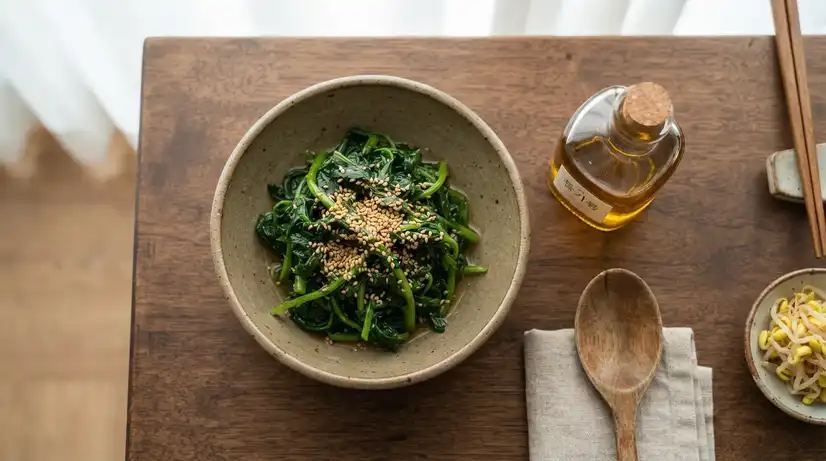
1. Classic Chwinamul-muchim (Seasoned Side Dish)
This is the quintessential way to eat Chwinamul. The key is using Perilla oil (Deul-gireum) instead of sesame oil. Perilla oil has an earthy depth that complements mountain herbs perfectly and increases the absorption of fat-soluble vitamins.
- Ingredients: 200g blanched Chwinamul, 1 tbsp soup soy sauce (Guk-ganjang), 1 tsp minced garlic, 1 tbsp perilla oil, and a sprinkle of toasted sesame seeds.
- Method: Combine the seasonings in a bowl, add the greens, and massage them gently by hand. This “hand-taste” (Son-mat) ensures the flavors penetrate the leaves.
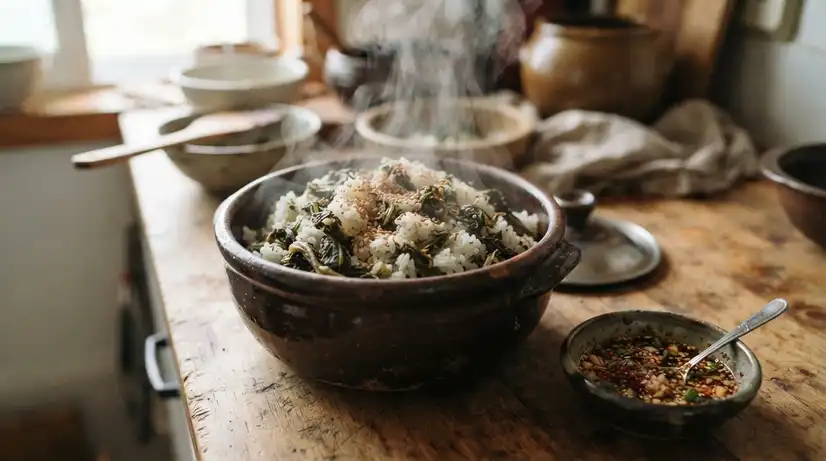
2. Chwinamul-bap (Aromatic Herb Rice)
Think of this as the Korean version of a mushroom risotto, but fresher.
* Method: Place your washed rice in the rice cooker. Layer the blanched and slightly seasoned Chwinamul on top. Cook as usual. When finished, the rice will be infused with the scent of the mountains. Serve with a side of “Yangnyeom-jang” (soy sauce, chili flakes, chopped scallions, and a dash of sugar).
3. Savory Chwinamul Doenjang-guk (Soybean Paste Soup)
Perfect for a cold morning or as a comforting dinner.
* Method: Create a base broth using dried anchovies and kelp. Whisk in 2 tablespoons of fermented soybean paste (Doenjang). Add the blanched Chwinamul and simmer for 10 minutes. The earthiness of the fermented soy and the bitterness of the greens create a deep, soulful harmony.
Sourcing and Selection: Finding the Best Chwinamul in Global Markets
For those living outside of Korea, finding fresh Aster scaber can be a challenge, but it is becoming increasingly available as the global interest in “K-Wellness” grows.
- H-Mart and Local Korean Grocers: Check the produce section specifically during the spring months (March-May). Look for “Chwinamul” or “Aster Scaber.” The leaves should be bright green and the stems should snap easily. Avoid any that look yellowed or slimy.
- The Dried Aisle: You can find dried Chwinamul year-round in the “Dried Vegetables” or “Namul” section. These are usually vacuum-sealed. Brands that specify “Mountain Harvested” or “Traditional Sun-dried” usually offer the best flavor.
- Substitutions: If you absolutely cannot find it, you can use dandelion greens or kale as a very loose substitute, though you will miss that specific Aster aroma. Dandelion greens offer a similar bitterness, while kale offers a similar texture.
Conclusion: Embracing the Wellness of Korean Wild Greens
Chwinamul is more than just an ingredient; it is a philosophy of eating in harmony with the seasons. It teaches us to appreciate the subtle bitterness of life and the deep nourishment that comes from the earth. Whether you are looking for an anti-inflammatory superfood to add to your diet or simply want to experience the authentic flavors of a Korean spring, Aster Leaf is a journey worth taking.
Next time you find yourself in a Korean grocery store, look past the usual spinach and bok choy. Reach for a bundle of Chwinamul, bring it home, and let the scent of the Korean mountains fill your kitchen. It is a simple, humble way to bring a touch of ancient wellness into your modern lifestyle.
💡 Curious about Korean Temple Cuisine?
Discover the ultimate guide to easy, soul-soothing vegan recipes for your daily life.
Go check this out ↗
FAQ
Q1. Can I eat Chwinamul raw?
Yes, but only when it is very young and tender. Freshly sprouted spring leaves can be enjoyed raw as wraps (Ssam) or tossed lightly in salads. However, as the plant matures, the leaves become tougher, and the level of calcium oxalates increases. Since raw oxalates can cause throat irritation and are linked to kidney stones, it is generally highly recommended to blanch them in salted water first. Blanching not only softens the fibrous texture but also safely removes most of these compounds.
Q2. I can’t find Chwinamul at my local store. What is the closest substitute?
It is hard to replicate its exact piney, herbal aroma, but you can achieve a similar profile using dandelion greens for a very similar, pleasant bitterness (ssapssareum-han mat), chrysanthemum greens (Ssukgat) for a comparable herbal, aromatic greenness, or kale/Swiss chard for a structural substitute in stir-fries (though they lack the signature mountain herb fragrance).
Q3. Why does my cooked dried Chwinamul feel so tough and rubbery?
This is the most common pitfall when preparing dried greens (Mal-rin Namul)! The secret lies in a 3-step process: Soak, Boil, and Rest. Don’t just boil them; after boiling the rehydrated greens for 20 to 30 minutes, leave them in the hot cooking water with the lid closed for another 2 to 3 hours (or even overnight). This slow cooling process fully relaxes and tenderizes the stubborn woody fibers without turning the leaves to mush.
Q4. Does dried Chwinamul lose its health benefits compared to fresh ones?
Not at all! In fact, traditional sun-drying concentrates many nutrients like calcium, iron, and dietary fiber per gram. While some heat-sensitive Vitamin C is lost during the drying and boiling process, the powerful antioxidants, polyphenols, and potassium remain highly potent. In terms of flavor, the drying process actually develops a deeper, nuttier, and more complex umami profile that many culinary enthusiasts prefer over fresh leaves.
Q5. What is the difference between Chwinamul and Ssuk (Mugwort)?
Though both are iconic spring greens in Korea, they are quite different. Chwinamul (Aster scaber) has large, heart-shaped, slightly rough leaves and is primarily used as a savory side dish (Namul), wrapped with meats (Ssam), or mixed into Bibimbap. Ssuk (Mugwort) has deeply lobed, soft, fuzzy leaves with a distinct silvery-green underside, has a much stronger, medicinal, and minty-herbaceous scent, and is widely used to flavor rice cakes (Ssuk-tteok), soups, and herbal teas.
Q6. Why do recipes recommend Perilla Oil (Deulgireum) instead of Sesame Oil?
While sesame oil is the go-to for most Korean dishes, perilla oil is the soulmate of wild mountain greens like Chwinamul. Perilla oil has a deep, earthy, and wild-seed fragrance that naturally complements the herbal, slightly bitter notes of Aster scaber. Nutritionally, perilla oil is incredibly rich in Omega-3 fatty acids, which pair perfectly with the fat-soluble Vitamin A and K found in Chwinamul, significantly boosting their absorption in your body.
Q7. How long can I store cooked and fresh Chwinamul?
Fresh, unwashed leaves wrapped in dry paper towels and sealed in a plastic bag will stay fresh in the vegetable crisper for 3 to 5 days. Blanched and squeezed greens can be kept in an airtight container in the fridge for up to 3 days. For longer storage, pack the blanched greens into freezer bags with a splash of the blanching water to prevent freezer burn and freeze for up to 6 months.
Q8. Is Chwinamul safe for pregnant women or those on specific medications?
Generally, yes, when consumed in typical culinary amounts. It is an excellent source of natural vitamins, iron, and calcium. However, because Chwinamul is exceptionally rich in potassium, individuals with chronic kidney disease should consume it in moderation. Additionally, its high Vitamin K content (which aids in blood clotting) means anyone on blood thinners like Warfarin should consult their doctor before making it a regular part of their diet.
Q9. Can I grow Chwinamul in my own backyard outside of Korea?
Yes! Aster scaber (often sold as “Korean Aster”) is highly resilient and grows beautifully in temperate climates (USDA Zones 4 through 9). It prefers partially shaded, moist, and well-drained soil—mimicking its native forest floor habitat. Once established, it is a low-maintenance perennial that will reward you with fresh, tender spring greens year after year, followed by lovely white daisy-like flowers in the late summer.
Q10. What is the absolute simplest way to enjoy it for a complete beginner?
If you want to experience its pure flavor with zero fuss, make Chwinamul-bap (Herb Rice). Simply blanch a handful of fresh Chwinamul (or rehydrate dried ones), squeeze out the water, and chop them. Toss them with a teaspoon of soy sauce and perilla oil, then layer them right on top of your uncooked rice in the rice cooker. When the button pops, stir the fragrant rice and serve with a simple soy sauce, sesame oil, and toasted sesame seed dipping sauce.

Written by WhatIneed.kr
Having lived in South Korea, the US, and Canada, I love experiencing and exploring diverse cultures and dietary habits. As a dedicated food guide, I explore the rich traditions of Korean cuisine, specializing in authentic home cooking, traditional fermentation, and peaceful Korean temple food.