In the quest for optimal health, the most profound answers often lie in the simplicity of nature. For those who navigate the fast-paced demands of modern life, finding a balance between nourishment and flavor is a constant journey. Whether you are browsing a local farmer’s market in a misty coastal town or exploring the vibrant aisles of a global grocery store, certain ingredients stand out not just for their culinary versatility, but for their centuries-old reputation as healers. Among these, the combination of Shiitake mushrooms and Perilla seeds represents a pinnacle of nutritional synergy—a “Immunity Duo” that bridges the gap between ancestral wisdom and contemporary science.
This pairing is more than just a culinary tradition; it is a meticulously balanced system of plant-based wellness. By combining the potent immune-modulating properties of the Shiitake mushroom with the dense, anti-inflammatory Omega-3 profile of Perilla seeds, we create a powerhouse that supports the body from the cellular level upward. This exploration delves into the deep-seated benefits of these two superfoods and how they come together to create the “Korean creamy” texture that is taking the vegan culinary world by storm.
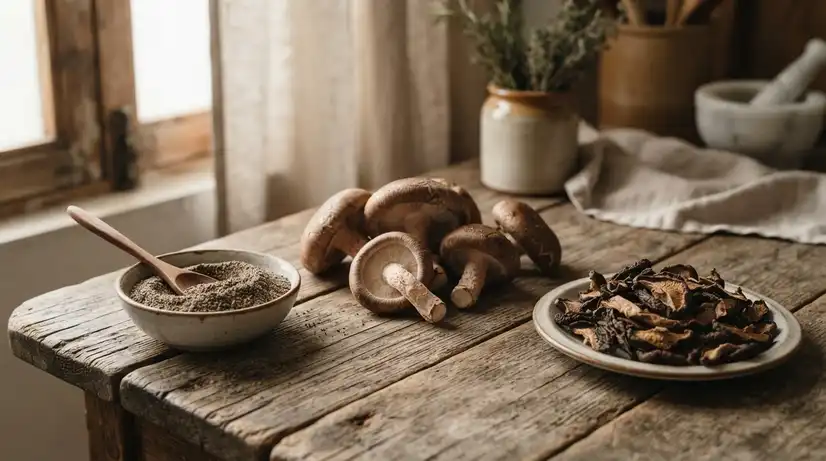
The Resilient Shiitake: Nature’s Premier Immune Modulator
The Shiitake mushroom (Lentinula edodes) has long been revered as the “monarch of mushrooms.” Beyond its meaty texture and earthy flavor, its true value lies in its complex chemical composition. The most significant of these components is Lentinan, a type of beta-glucan. Lentinan is not a direct medicine in the traditional sense; rather, it acts as a biological response modifier. It “trains” the immune system, activating essential defense cells like T-cells and Natural Killer (NK) cells. These cells are the body’s front-line infantry, responsible for identifying and neutralizing viruses and harmful bacteria.
Furthermore, the Shiitake mushroom is a champion of cardiovascular health. It contains a unique compound called Eritadenine, which has been shown to assist in managing cholesterol levels by encouraging the absorption and excretion of excess lipids. For those mindful of heart health and arterial clarity, incorporating this fungus into a regular diet offers a natural, food-based approach to long-term wellness.
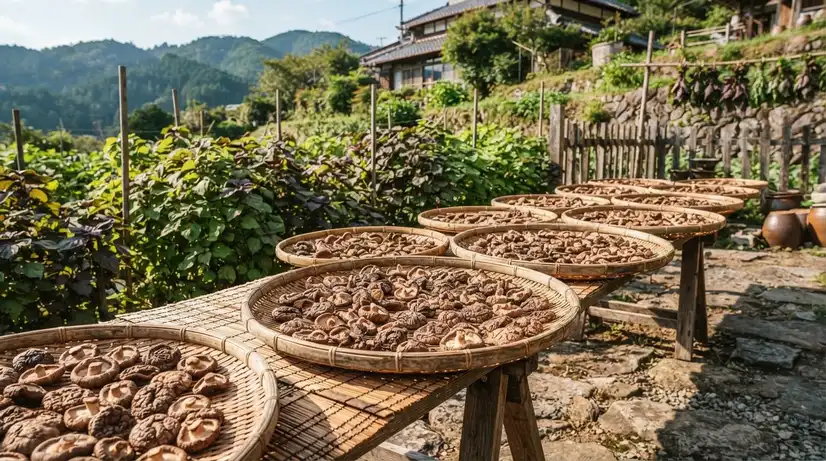
The transition from fresh to dried Shiitake is where the magic truly intensifies. When these mushrooms are exposed to sunlight, a fascinating biochemical transformation occurs. The ergosterol within the mushroom is converted into Vitamin D. In northern latitudes where sunlight can be scarce for months at a time, finding a natural, plant-based source of Vitamin D is essential for bone density and calcium absorption. This makes the dried Shiitake not just a pantry staple, but a vital supplement for skeletal integrity and mood regulation.
Perilla Seeds: The Plant-Based Omega-3 Secret for Vitality
While many are familiar with chia seeds or flaxseeds, the Perilla seed remains one of the best-kept secrets of Eastern wellness. This tiny seed is a powerhouse of Alpha-linolenic acid (ALA), a vital plant-based Omega-3 fatty acid. In a world where inflammatory diets are common, the high concentration of Omega-3s in Perilla seeds provides a necessary counterbalance, promoting brain health, reducing systemic inflammation, and supporting a healthy circulatory system.
The benefits of Perilla extend beyond internal health. Historically, Perilla has been utilized to soothe the respiratory system. It possesses a unique ability to “moisten” the lungs and throat, making it a go-to remedy for persistent dry coughs or seasonal congestion. This soothing quality is mirrored in its effect on the skin. Rich in Vitamin E and antioxidants, Perilla seed powder helps maintain skin elasticity and a youthful glow, acting as an internal cosmetic that fights the oxidative stress caused by urban pollution and aging.
For those following a vegan or plant-based lifestyle, finding rich, savory fats that don’t rely on processed oils can be a challenge. Perilla seed powder offers a whole-food solution, providing a creamy, nutty profile that satisfies the palate while delivering essential fatty acids that the body cannot produce on its own.
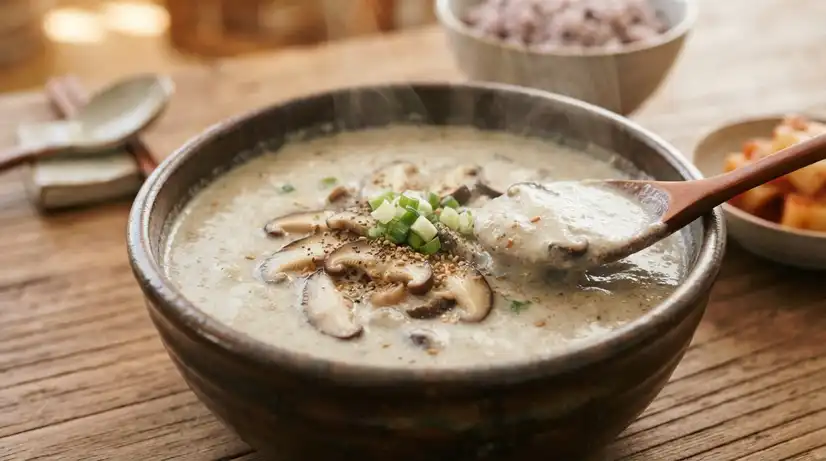
A Masterclass in Umami: The Transformative Power of Dried Shiitake
One cannot discuss Shiitake without mentioning “Umami”—the elusive fifth taste that translates to “pleasant savory taste.” While fresh Shiitake is delicious, the drying process elevates its flavor profile to an entirely different dimension. During dehydration, the mushroom develops a high concentration of Guanylic acid. This compound is a natural flavor enhancer that works synergistically with other ingredients to create a depth of flavor that is often compared to slow-cooked meat broths.
In the kitchen, the liquid used to rehydrate dried Shiitake should never be discarded. It is a “liquid gold” of sorts, packed with the essence of the mushroom. This broth serves as the foundation for soups and stews, providing a complex, savory base that requires very little salt or artificial seasoning. This is the secret behind the soul-satisfying flavor of temple cuisine and high-end plant-based cooking. The umami from the Guanylic acid provides a “meatiness” that anchors the dish, making it incredibly satisfying even for those who typically consume animal proteins.
The Science of Synergy: Why Shiitake and Perilla Form the Ultimate Wellness Duo
When we combine Shiitake and Perilla, we are not just mixing two healthy ingredients; we are creating a nutritional synergy where 1+1 equals much more than 2. This is the “Immunity Duo” in action. The Shiitake provides the anti-viral “shield” through its beta-glucans, while the Perilla provides the anti-inflammatory “repair kit” through its Omega-3s.
This combination is particularly effective for those looking to boost their recovery after illness or maintain high energy levels during seasonal changes. The proteins and dietary fibers found in the mushrooms provide a slow-release energy source, while the healthy fats in the Perilla powder ensure that fat-soluble vitamins (like the Vitamin D from the dried Shiitake) are properly absorbed by the body. This is a complete nutritional cycle in a single meal.
For the vegan community, this duo is a revelation. It offers a level of “heaviness” and satiety that is often missing from plant-based soups. It provides the “Qi” or life force that traditional practitioners have long associated with vitality and stamina, proving that a meal doesn’t need meat to be profoundly strengthening.
Crafting the Perfect Korean Creamy Soup: A Culinary Guide to Health
The most iconic expression of this duo is the “Deulkketa-tang” (Perilla Seed Soup). This dish is the epitome of “Korean creamy”—a texture that is luxurious and velvety without the use of a single drop of dairy. Achieving this texture requires a bit of technique and an understanding of how these ingredients interact with heat.
To create a world-class Perilla and Shiitake soup, start with a base of dried Shiitake broth. Sauté sliced mushrooms (both fresh and rehydrated) to develop their surface flavor. The most critical step is the addition of the Perilla seed powder. To maintain its delicate nutritional profile and prevent the oils from separating, the powder should be added toward the end of the cooking process.
A professional tip for achieving that perfect, thick consistency is to whisk a small amount of glutinous rice flour into the Perilla powder before adding it to the pot. This creates a smooth, cohesive liquid that coats the back of a spoon. Lower the heat to a gentle simmer once the powder is added; boiling it too vigorously can dull the nutty aroma and cause the texture to become grainy. The result is a soup that feels like a warm hug—earthy, nutty, and incredibly deep in flavor.
Embracing a Lifestyle of Conscious Longevity
Incorporating the Immunity Duo into your lifestyle is an act of conscious longevity. It represents a shift away from “quick-fix” supplements toward a philosophy of “food as medicine.” In many cultures, the turn of the seasons is marked by the consumption of these specific foods to prepare the body for the challenges of the coming weather.
Whether you are enjoying a bowl of creamy Perilla mushroom soup after a long day in a chilly office, or starting your morning with a savory mushroom congee, you are participating in a tradition of wellness that transcends borders. This isn’t just about avoiding a cold; it’s about building a resilient foundation for your body to thrive. The combination of Shiitake’s structural support and Perilla’s inflammatory protection creates a holistic environment for health.
As we move toward a future where plant-based eating becomes more prevalent, the lessons from the Immunity Duo remind us that we don’t have to sacrifice flavor for health. The deep umami of the Shiitake and the silky richness of the Perilla provide all the luxury a palate could desire, proving that nature is, indeed, the ultimate chef.
💡 Curious about Korean Temple Cuisine?
Discover the ultimate guide to easy, soul-soothing vegan recipes for your daily life.
Go check this out ↗
FAQ
Q: Can I use fresh shiitake mushrooms instead of dried ones for the soup?
A: Yes, you can certainly use fresh shiitake, but the flavor will be milder. Dried shiitake mushrooms are preferred for soups because the drying process concentrates the umami-producing guanylic acid and increases the Vitamin D content. For the best result, use a combination of both.
Q: What is the best way to store perilla seed powder to keep it fresh?
A: Perilla seed powder contains high levels of healthy fats, which can go rancid if exposed to light, heat, or air for too long. It is best to store it in an airtight container in the refrigerator or even the freezer if you don’t plan to use it quickly.
Q: Is perilla seed powder the same as perilla oil?
A: No. Perilla oil is the extracted fat from the seeds, while perilla seed powder is the ground seed itself (often de-hulled). The powder provides the fiber and protein of the seed, along with the “creamy” texture that the oil alone cannot provide in soups.
Q: Does cooking shiitake mushrooms destroy their immune-boosting properties?
A: Actually, cooking or heating shiitake mushrooms (and most mushrooms) is necessary to break down the tough cell walls made of chitin. This process makes the beneficial compounds like Lentinan more bioavailable for your body to absorb.
Q: Can I substitute perilla seed powder with tahini or peanut butter?
A: While those ingredients provide creaminess and fat, the flavor profile and nutritional benefits are quite different. Perilla has a very specific nutty, earthy aroma and is much higher in Omega-3s. If you must substitute, ground flaxseed is closer nutritionally, but won’t provide the same culinary texture.
Q: Why is my perilla soup becoming grainy instead of creamy?
A: This usually happens if the powder is added to a boiling liquid and not stirred properly, or if the powder isn’t fine enough. To ensure a smooth texture, mix the powder with a little cold water or broth to make a paste before adding it, and keep the heat on low.
Q: Are there any people who should avoid shiitake or perilla?
A: Generally, they are very safe. However, some individuals may have a sensitivity to shiitake (sometimes called “shiitake dermatitis” if eaten raw/undercooked). As with any significant dietary change, if you have specific allergies or medical conditions, it’s wise to consult a healthcare provider.
Q: How much perilla seed powder should I consume daily for health benefits?
A: There is no strict rule, but 1 to 2 tablespoons a day is a common amount used in cooking to provide a significant boost of Omega-3s and fiber.
Q: Does the “umami” in shiitake mushrooms act like MSG?
A: Shiitake mushrooms contain natural glutamates and guanylic acid, which provide the same savory sensation as MSG but in a naturally occurring, whole-food form. It enhances the flavor of your food without the need for artificial additives.
Q: Can children eat perilla and shiitake dishes?
A: Absolutely! These ingredients are highly nutritious for children. The creamy texture and mild, nutty flavor of perilla soup are usually very well-received by kids, making it a great way to introduce healthy fats and mushrooms into their diet.

Written by WhatIneed.kr
Having lived in South Korea, the US, and Canada, I love experiencing and exploring diverse cultures and dietary habits. As a dedicated food guide, I explore the rich traditions of Korean cuisine, specializing in authentic home cooking, traditional fermentation, and peaceful Korean temple food.