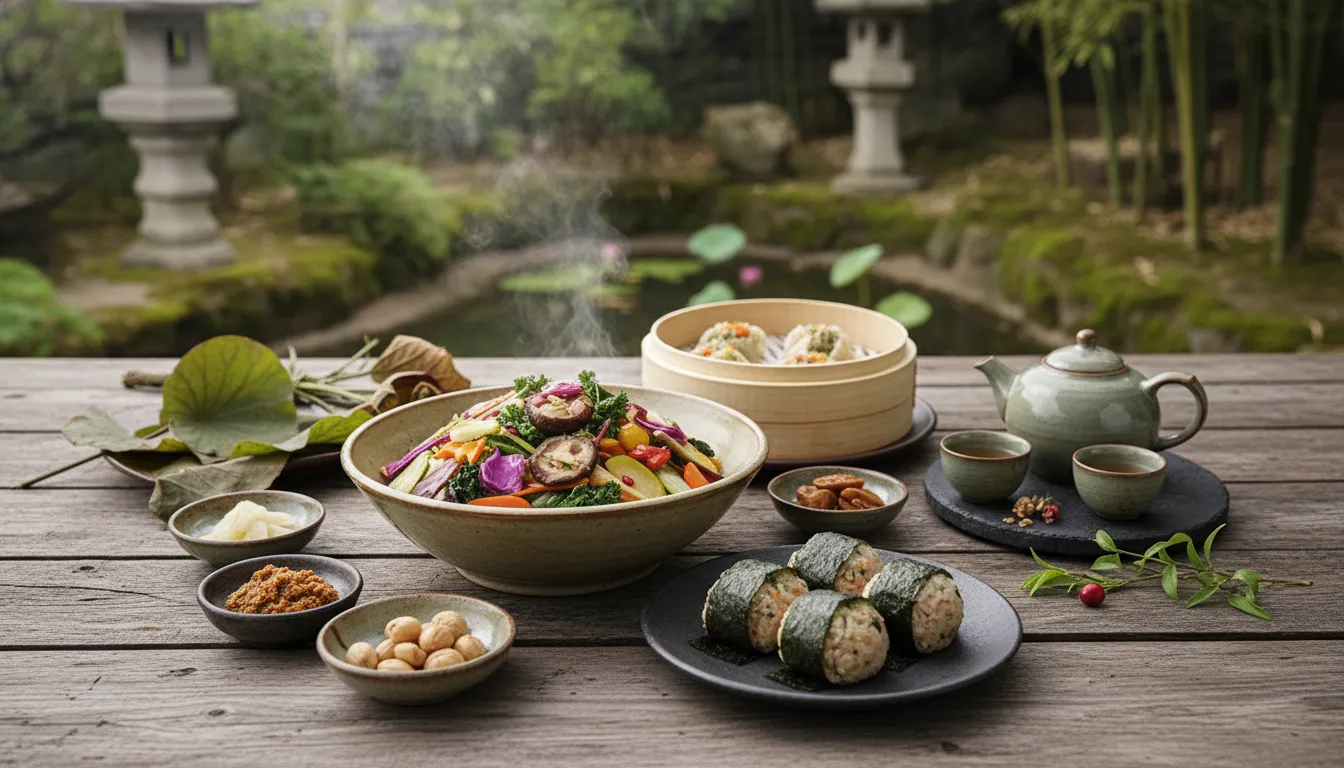
Vegan vs Temple Food: Unveiling the Similarities and Differences
Hello everyone! It feels so great to connect with you today. Having lived in Korea, Canada, and the US for over a decade each, I’ve experienced a beautiful blend of food cultures and lifestyles across the globe. Lately, as people care more about health, the environment, and ethical consumption, the interest in Vegan lifestyles and Korean Temple Food has skyrocketed. I remember when I first thought both were just about “not eating meat,” but oh boy, was I wrong! There is so much depth and intention behind each of these culinary worlds. Let’s dive into what makes Veganism and Temple Food so special, how they differ, and which one might resonate with you more.
A Shared Step Toward Life and Health
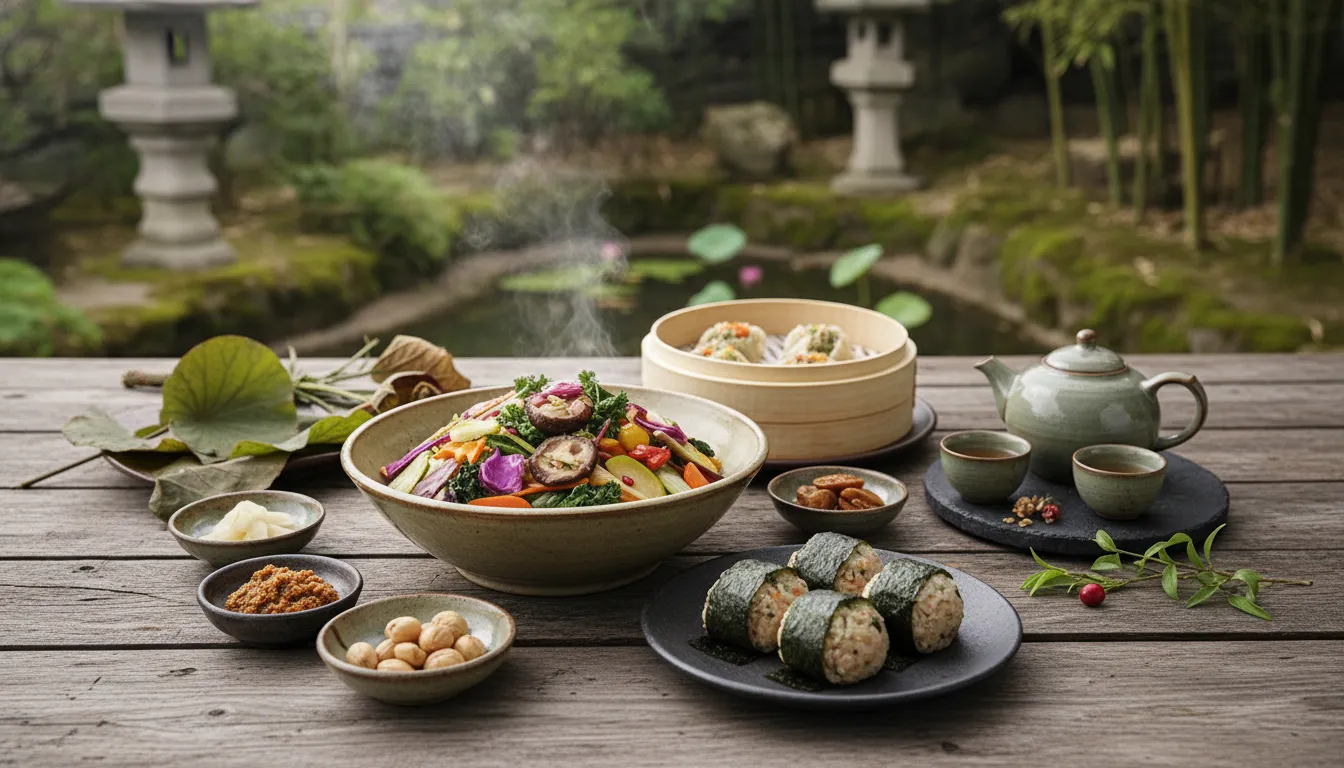
At their core, both veganism and temple food share a profound respect for life. The most obvious common ground is the complete exclusion of animal-based foods. This means no beef, pork, poultry, fish, or seafood making its way onto the plate. By choosing not to consume animals, both diets echo a philosophy that values all living beings.
Furthermore, both culinary traditions strongly emphasize natural, unrefined ingredients. They try to minimize processed foods and artificial additives. This naturally makes both choices very appealing if you’re trying to pursue a healthier eating habit. When I visit a vegan café in LA or a temple food restaurant in Seoul, I always notice how light and comfortable my stomach feels afterward. Eating fresh vegetables, whole grains, mushrooms, and seaweeds allows you to appreciate the true essence of the ingredients. You might even find your taste buds becoming more sensitive to natural flavors when you take a break from heavy, artificial seasonings!
The Ultimate Strict Diet: Veganism
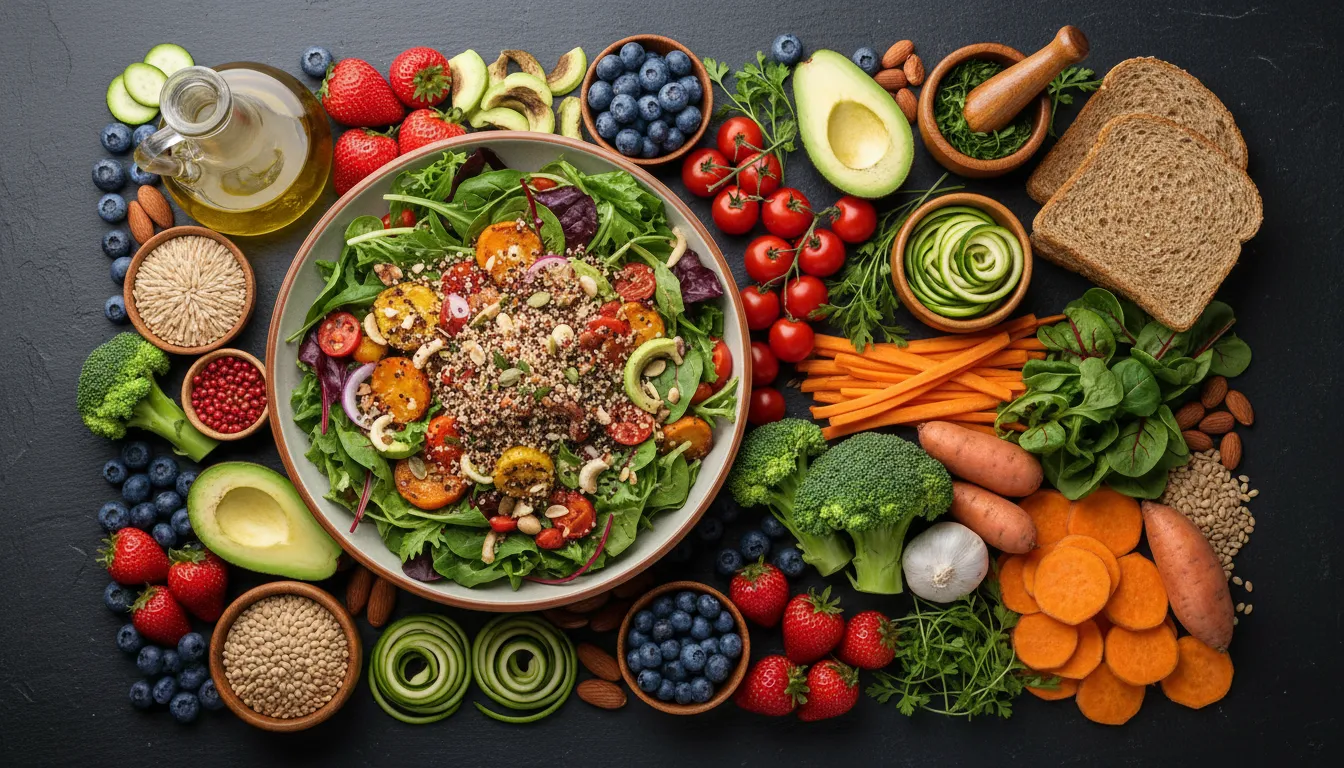
Veganism is much more than simply a plant-based diet. It is an entire lifestyle aimed at excluding animal exploitation as much as possible. This means avoiding not only meat but all animal by-products. Vegans say no to milk, cheese, butter, eggs, and even honey and gelatin. The commitment doesn’t stop at food, though. It extends to clothing and everyday products, avoiding leather, wool, silk, and cosmetics tested on animals.
While living in North America, I met many friends whose primary motivation for becoming vegan was animal rights. The ethical concerns surrounding factory farming are a huge driving force for this lifestyle. Of course, environmental protection and personal health are also major factors. A close friend in Vancouver once told me, “It all starts with thinking about how what we eat and wear affects other lives.” That really stuck with me and shifted my perspective. Vegans actively seek a sustainable life, aiming to protect the environment and stand up for animal welfare.
The Food of Monks: Temple Food
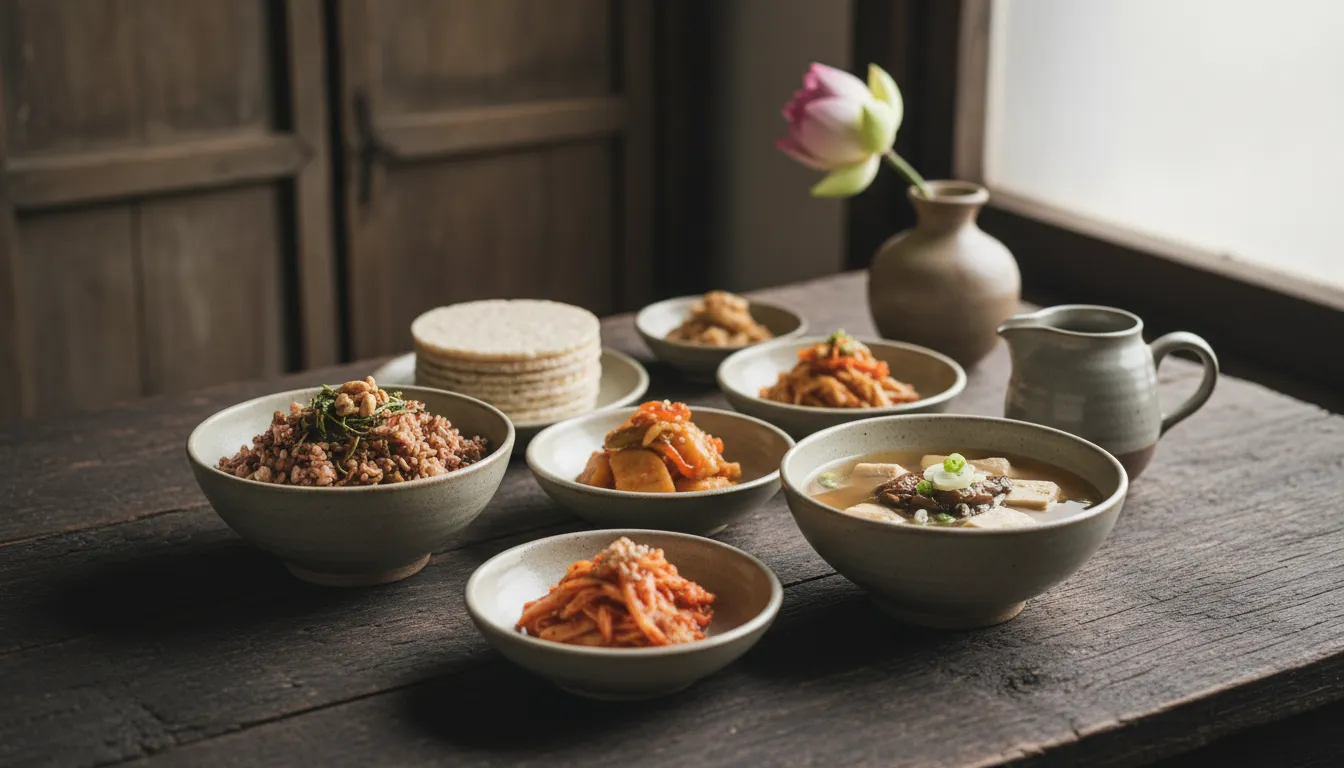
Now, let’s talk about Temple Food. Rooted in Buddhist traditions, this food is primarily designed for monks and practitioners to aid in their spiritual journey. While it completely excludes animal products just like a vegan diet, Temple Food has another very unique rule. It strictly forbids the use of “Osinchae” (the five pungent vegetables).
What are Osinchae? They include garlic, green onions, chives, wild chives, and onions. In Buddhist philosophy, consuming these strong-smelling vegetables raw is believed to provoke anger, while eating them cooked might stir up desire, both of which hinder spiritual meditation. Because of this restriction, Temple Food relies on mild, natural seasonings like mushrooms, kelp, perilla seeds, and sesame to bring out flavors. At first, you might wonder how anything can taste good without garlic or onions. But trust me, you’ll be amazed at how delicate and profound the natural flavors of the vegetables can be. During a temple stay in the Korean mountains, I had a simple meal of rice, soup, and wild greens. It felt more satisfying than any lavish banquet, and eating with deep gratitude truly felt like a meditative practice.
Which Path Should You Choose?
So, how do you decide which diet or lifestyle suits you best? Can a vegan eat Temple Food? Absolutely! Since Temple Food avoids animal products and Osinchae, it fits perfectly within a vegan diet. Just keep an eye out, as very traditional recipes might occasionally use honey.
On the flip side, can someone following Temple Food eat regular vegan food? That’s a bit trickier. Many vegan dishes use garlic and onions to add flavor, which goes against the Osinchae rule. If you’re strictly adhering to Temple Food principles, you’ll need to double-check vegan menus to ensure those five pungent veggies are left out.
Ultimately, your choice depends on your personal values. If your main goals are animal rights, ethical consumption, and environmental sustainability, veganism might be the perfect fit. If you’re seeking mental peace, spiritual discipline, and living in harmony with nature, Temple Food offers a deeply meaningful path. Personally, I love aiming for a vegan lifestyle day-to-day while treating myself to Temple Food when I need to clear my mind and reflect on gratitude. Finding your own balance is what truly matters 🙂
FAQ
Q1. Are Vegan and Temple Food the same thing?
A1. No, they are different. Veganism excludes all animal products and by-products for ethical and environmental reasons, while Temple Food is Buddhist monastic food that excludes animal products and Osinchae (five pungent vegetables).
Q2. Can a vegan eat Temple Food?
A2. Yes, mostly! Temple Food doesn’t use animal products, so it fits vegan standards. However, some traditional recipes might use honey, so it’s good to ask.
Q3. Can someone following Temple Food eat vegan food?
A3. They have to be careful. Vegan food often contains garlic and onions, which are forbidden in Temple Food. They must choose vegan dishes made without Osinchae.
Q4. What exactly are Osinchae?
A4. Osinchae refers to five pungent vegetables: garlic, green onions, chives, wild chives, and onions (or asafoetida).
Q5. Why does Temple Food forbid Osinchae?
A5. In Buddhism, these strong-smelling vegetables are believed to stir up anger when eaten raw and desire when cooked, hindering spiritual practice and meditation.
Q6. Why do vegans avoid animal products?
A6. Vegans avoid animal products to protect animal rights, reduce environmental impact, and often for health reasons. It’s about ethical consumption.
Q7. Is Temple Food good for your health?
A7. Yes, it’s excellent for health. It uses seasonal, natural ingredients without artificial additives, making it very gentle on the digestive system.
Q8. Which diet is better for the environment?
A8. Both are great! By avoiding meat, both diets significantly lower carbon footprints compared to diets heavy in animal agriculture.
Q9. Do vegans use honey?
A9. Generally, no. Vegans avoid honey because it is produced by bees, making it an animal by-product.
Q10. Can I make Temple Food at home?
A10. Absolutely! You can easily make it using fresh seasonal vegetables, mushrooms, tofu, seaweed, and natural seasonings like soy sauce and sesame oil.
Q11. Do vegans wear leather or wool?
A11. No, a strict vegan lifestyle avoids all animal-derived materials, including leather, wool, and silk.
Q12. Is Temple Food always organic?
A12. While not strictly certified organic in every case, traditional Temple Food heavily relies on naturally grown, pesticide-free ingredients cultivated around the temple.
Q13. How do you get protein on a vegan or Temple Food diet?
A13. Both diets rely heavily on plant-based proteins like tofu, beans, lentils, nuts, and certain whole grains to meet nutritional needs.
Q14. Why do some vegans avoid certain cosmetics?
A14. Vegans avoid cosmetics that contain animal ingredients (like carmine or beeswax) or products that have been tested on animals.
Q15. Does Temple Food use artificial seasonings?
A15. No, Temple Food focuses on natural flavors and completely avoids MSG and artificial flavor enhancers.
Q16. Can children be raised on a vegan diet?
A16. Yes, with careful planning to ensure they get all necessary nutrients, children can thrive on a well-balanced vegan diet.
Q17. Is a vegan diet always healthy?
A17. Not necessarily. You can be vegan and still eat highly processed “junk” foods. A whole-food, plant-based approach is the healthiest way to do it.
Q18. What is a ‘temple stay’?
A18. A temple stay is a cultural program in Korea where visitors can live in a Buddhist temple, experience monastic life, meditate, and eat Temple Food.
Q19. Are there vegan restaurants that don’t use Osinchae?
A19. Yes! As awareness grows, some vegan restaurants now offer Osinchae-free options specifically catering to those who prefer or practice Temple Food principles.
Q20. How do I start transitioning to either diet?
A20. Start slow! Try adopting one meatless day a week, or experiment with a simple Temple Food recipe at home to see how your body feels.
🌿 Korean Temple Food Complete Guide Series
Embrace the art of mindful eating with our curated guide series! Bookmark this section and explore these essential resources to deeply understand the philosophy, ingredients, and healing recipes of Korean temple cooking.
-
- • Comprehensive Guide (Hub):
Korean Temple Food: A Beginner’s Guide to Mindful Eating
- • Comprehensive Guide (Hub):

Written by WhatIneed.kr
Having lived in South Korea, the US, and Canada, I love experiencing and exploring diverse cultures and dietary habits. As a dedicated food guide, I explore the rich traditions of Korean cuisine, specializing in authentic home cooking, traditional fermentation, and peaceful Korean temple food.